
Media Panic and Censorship
A History of the Vampire in Popular CultureThis thread traces how newspapers, television, and institutions turn vampire imagery into public anxiety and regulation.
increasing Bearing strength in each event
 decreasing
Bearing strength in each eventdecreasingSensational Reporting
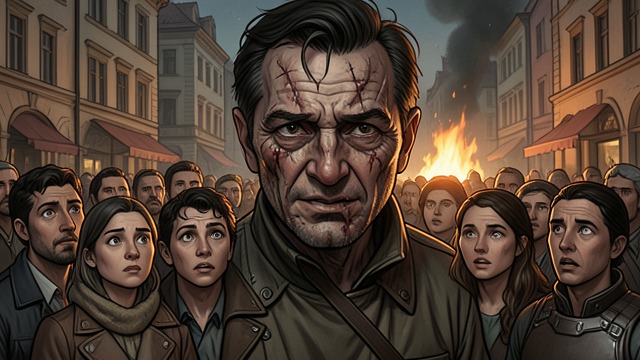
Sensational Reporting
Foreign Horror
The New York World publishes an elaborate vampire account from Hungary. Its details echo earlier stories, suggesting that repetition and invention have replaced direct observation.
Audience Appetite
The report satisfies readers who want distant places to contain behavior forbidden at home. Journalism becomes theatrical storytelling.
Newspaper Reproduction
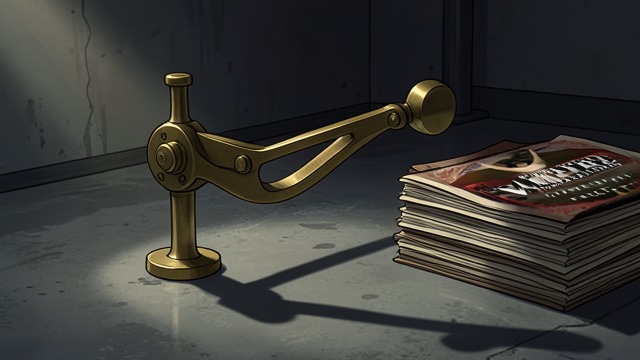
Newspaper Reproduction
Cross-Atlantic Circulation
Daily Alta California reprints the account, giving the alleged event another life. Each publication adds authority without adding verification.
Rumor as Archive
The story becomes historical evidence because it exists in print. The press preserves a likely fabrication as part of vampire lore.
Televised Occultism
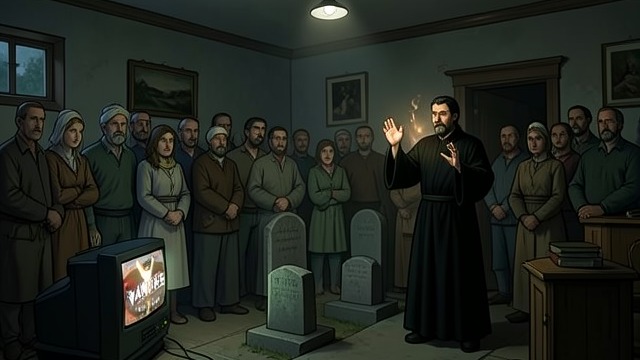
Televised Occultism
Public Prophecy
Sean Manchester announces his planned exorcism on television. Broadcast media turns a cemetery rumor into a scheduled spectacle.
Participation Invited
Viewers become potential witnesses and hunters. Television does not merely report belief; it organizes the public around it.
Comic Book Inquiry
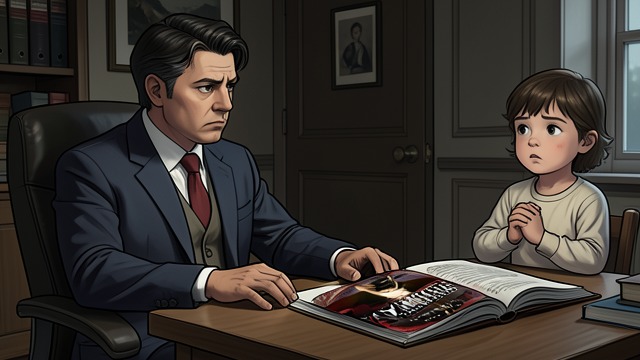
Comic Book Inquiry
Wertham’s Argument
Fredric Wertham claims horror comics cause juvenile delinquency. His statistics treat shared reading habits as proof of criminal causation.
Expertise and Fear
Psychiatric authority gives moral panic a scientific appearance. The debate turns children’s imagination into a suspected social contaminant.
Legal Restriction
Legal Restriction
Statutory Language
The Children and Young Persons (Harmful Publications) Act 1955 bans illustrated material considered likely to corrupt children through crime, violence, or horror.
Enduring Ambiguity
The law remains vague and therefore potentially broad. Fear of fictional monsters produces a durable mechanism for controlling representation.
1870
1870
March 1970
1953 to 1954
1955
