
The Comic Deflation of Fear
A History of the Vampire in Popular CultureThis thread traces how comedy domesticates vampire terror while preserving enough darkness for the joke to remain meaningful.
increasing Bearing strength in each event
 decreasing
Bearing strength in each eventdecreasingCultural Monster
Cultural Monster
From Terror to Television
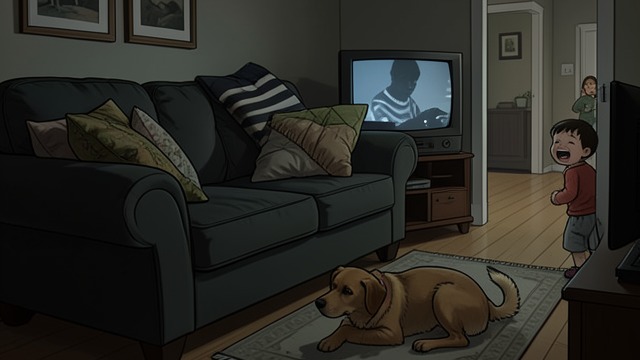
The Munsters relocate Gothic monsters into a sitcom family. Their supernatural identities remain visible but are surrounded by domestic routines.
Fear Reversed
Viewers laugh because the family considers itself normal. The joke targets human expectations as much as the monsters themselves.
Counting the Supernatural
Counting the Supernatural
Educational Vampire
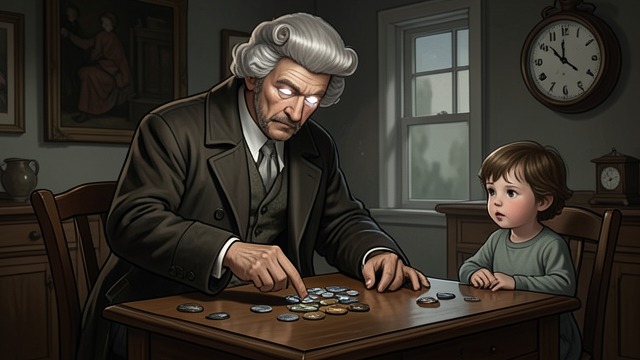
Count von Count uses an exaggerated Lugosi image to teach arithmetic. His appetite is redirected from blood toward numbers.
Terror Softened
The character retains thunder, castle, bats, and accent while losing credible menace. Familiar ritual makes the frightening figure safe for children.
Polite Predation
Polite Predation
Domestic Vampires
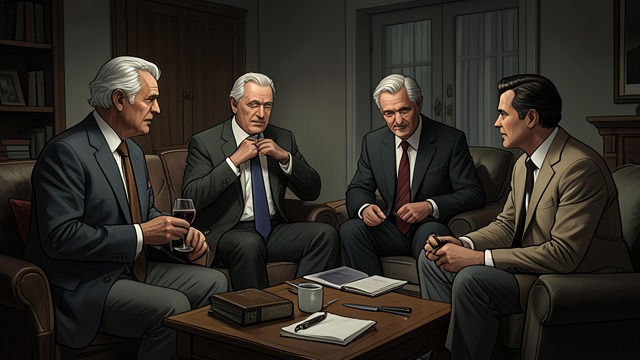
Viago Von Dorna Schmarten Scheden Heimburg and his housemates argue about chores, clothing, and guests while remaining killers.
Comedy Through Incongruity
The humor comes from the gap between manners and murder. Their politeness does not erase violence; it reveals how ordinary the undead can appear to themselves.
The Aging Lover
The Aging Lover
Katherine’s Transformation
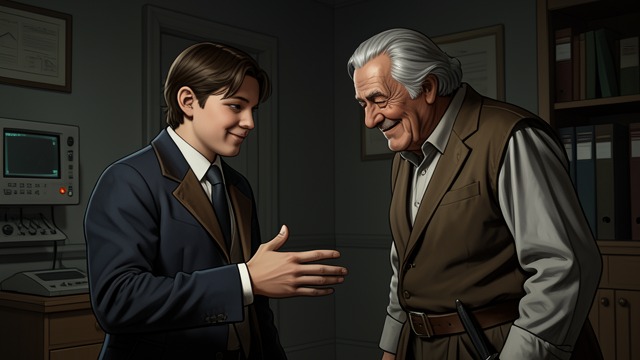
Viago wants to turn Katherine so they can remain together. Their romance treats murder as an awkward practical step.
Age Gap Reversed
The joke depends on their different apparent ages rather than their true centuries. Comedy exposes how arbitrary human ideas of age and normality can become.
Limits of Laughter
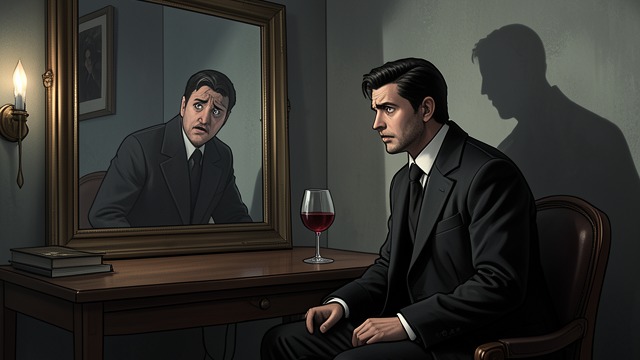
Limits of Laughter
Affectionate Ridicule
The strongest comic vampires remain layered characters with fear, desire, and loneliness. Audiences laugh with them rather than simply at them.
Lost Lustre
When the vampire becomes only a joke, the erotic and dangerous charge disappears. Comedy works best when it reveals the monster without fully disarming it.
the 1960s
1972 onward
2014
the film’s ending
the book’s comedy discussion
