
The Final Reassessment of Humanity
A History of the Vampire in Popular CultureThis thread follows the book’s return from supernatural figures to the mortal fears and desires that create them.
increasing Bearing strength in each event
 decreasing
Bearing strength in each eventdecreasingFear of Burial
Fear of Burial
Taphophobic Imagination
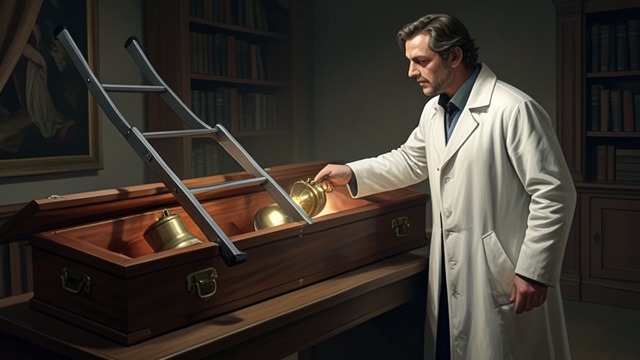
Premature burial stories dramatize uncertainty about what death means. The coffin becomes a space where medicine, consciousness, and social authority can fail.
Mechanical Solutions
Devices such as the Improved Burial-Case promise escape through bells and ladders. Technology responds to fear without eliminating it.
Uncertain Death
Uncertain Death
Clinical Boundaries
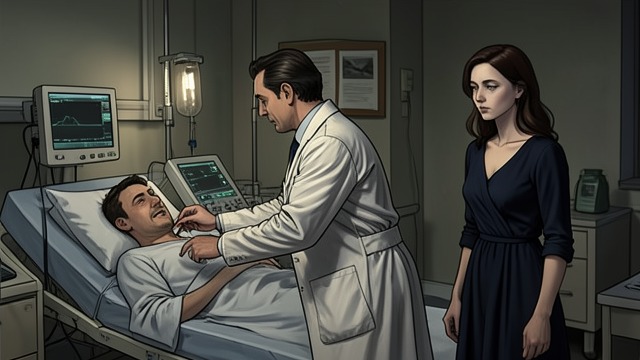
Brain death, clinical death, life support, and legal definitions complicate the distinction between living and dead. Science refines the boundary without making it emotionally simple.
Ethical State
Death becomes both physical condition and social judgment. Vampire fiction persists because the boundary remains conceptually unstable.
Desire for Control
Desire for Control
Scapegoat Creation
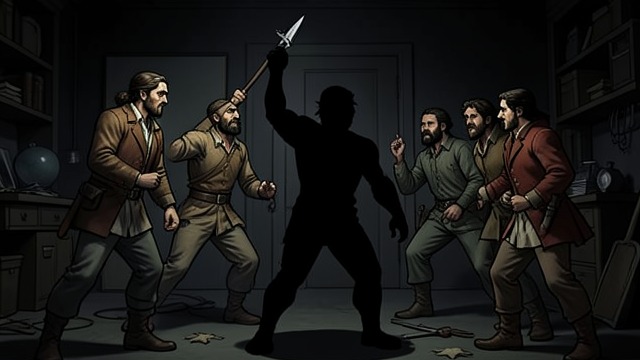
Communities respond to disease, war, and social change by identifying a hidden enemy. The vampire gives fear a body that can be attacked.
Temporary Relief
Rituals and hunts create the feeling of action even when they cannot solve the underlying crisis. The supernatural explanation survives because helplessness is harder to bear.
Human Animality
Human Animality
Instinct Beneath Manners
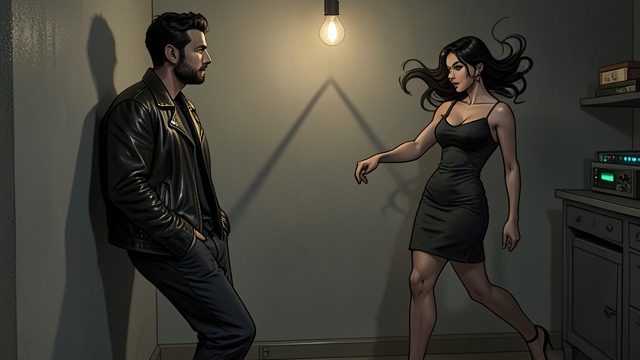
Vampires externalize hunger, lust, aggression, and possession that humans suppress. Their confidence appears liberating because it removes social hesitation.
Uncomfortable Mirror
The monster is not wholly alien. It is humanity stripped of restraint, which makes fascination inseparable from self-recognition.
Finite Meaning
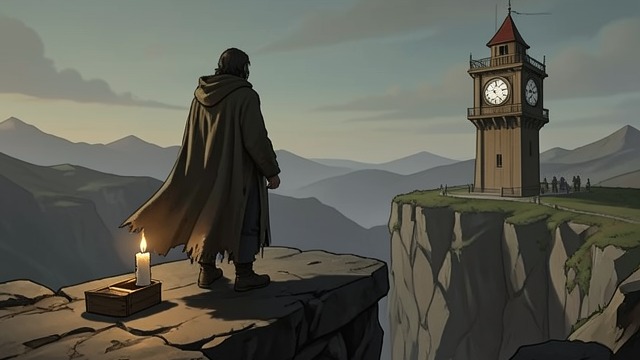
Finite Meaning
Life’s Limit
The closing argument returns to the idea that meaning depends on ending. Mortality gives choices urgency because time cannot be recovered.
The Vampire’s Function
The vampire remains valuable not as a solution to death but as a way of thinking about it. The immortal monster sends the reader back toward finite human life.
the nineteenth century
the modern medical era
through historical vampire panics
the book’s analytical chapters
the epilogue
