
The Conflict Between Human and Vampire Morality
A History of the Vampire in Popular CultureThis thread traces the book’s repeated comparison between supernatural predation and ordinary human systems of violence and consumption.
increasing Bearing strength in each event
 decreasing
Bearing strength in each eventdecreasingAnimal Comparison
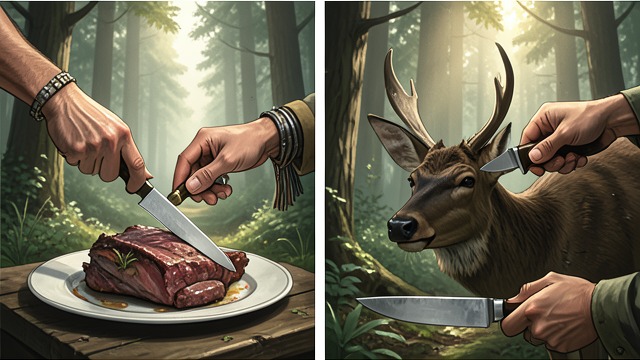
Animal Comparison
Feeding as Survival
The book asks whether vampire feeding differs morally from humans killing animals for food. The comparison destabilizes the easy assumption that humans occupy a superior ethical position.
Selective Judgment
Human morality often depends on what society has normalized. Vampires expose the violence hidden beneath ordinary habits.
Voltaire’s Satire
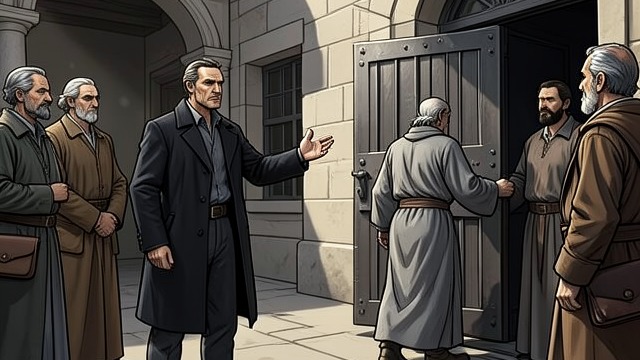
Voltaire’s Satire
Monks as Vampires
Voltaire calls exploitative monks and financiers the true vampires. The metaphor leaves the supernatural and enters political criticism.
Daylight Predation
Those who suck society’s resources operate openly rather than in cemeteries. Moral danger is relocated from monsters to institutions.
Marx’s Capital
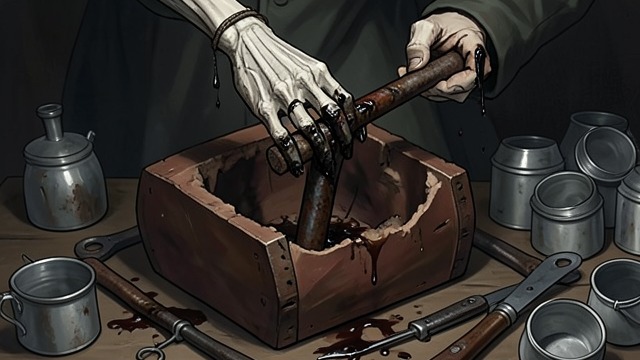
Marx’s Capital
Dead Labor
Karl Marx describes capital as dead labor that lives by consuming living labor. The vampire becomes an image of economic extraction.
Systemic Hunger
Predation is no longer an individual bite but a structure. The metaphor expands the book’s concern from personal desire to social power.
Ethical Vegetarianism
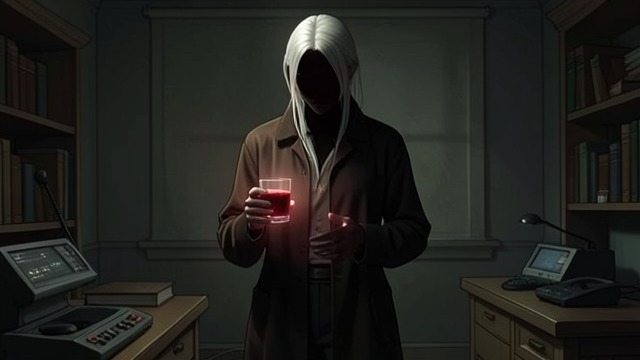
Ethical Vegetarianism
Chosen Restraint
The Cullens and some other fictional vampires avoid human blood. Their diet becomes a visible attempt to build a moral identity against instinct.
Fragile Principle
The rule weakens under pressure, revealing how ethics depend on circumstance. Restraint is admirable precisely because it is difficult and incomplete.
Necessary Murder
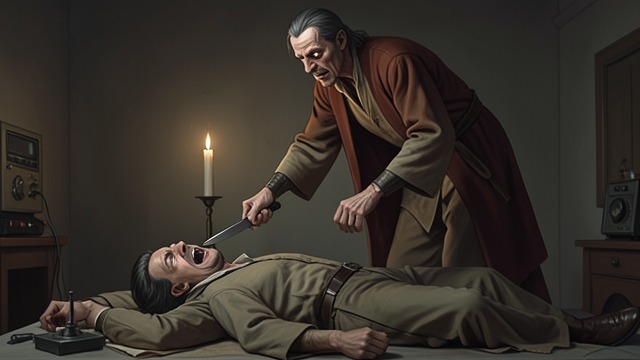
Necessary Murder
No Alternative
Adam and Eve kill humans after their clean blood supply disappears. They describe the act as necessity rather than moral failure.
Limits of Sympathy
Their refinement and melancholy do not cancel the deaths. The book insists that empathy and predation can occupy the same character without resolving one another.
chapter five
1764
1867
modern vampire fiction
the ending of Only Lovers Left Alive
