
The Unseen Authors
A History of the Vampire in Popular CultureThis thread follows writers whose personal experiences, relationships, and social pressures become entangled with vampire fiction.
increasing Bearing strength in each event
 decreasing
Bearing strength in each eventdecreasingByron’s Fragment
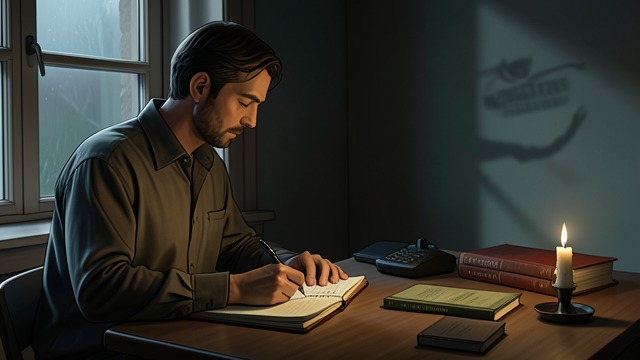
Byron’s Fragment
Abandoned Beginning
Lord Byron starts a supernatural story during the Villa Diodati gathering but leaves it unfinished. The fragment nevertheless provides the seed for another writer’s invention.
Literary Afterlife
An incomplete work becomes culturally powerful through transformation. Its influence shows how abandoned material can outlive its original authorial intention.
Polidori’s Competition
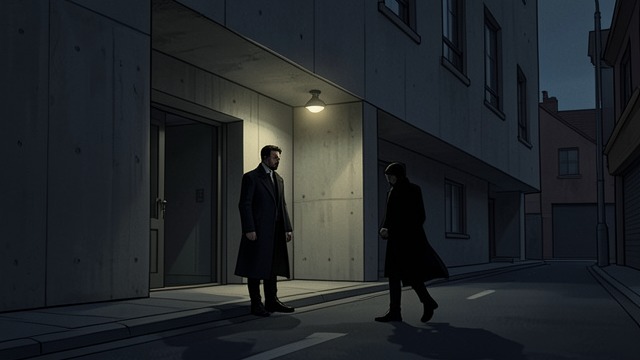
Polidori’s Competition
Rival Creation
John William Polidori turns the ghost-story challenge into The Vampyre. He borrows the social aura surrounding Lord Byron while producing a distinctly new predator.
Misattributed Publication
Henry Colburn publishes the story under Byron’s name. Authorship, ambition, and commercial exploitation become part of the vampire’s origin.
Stoker’s Theatre Life
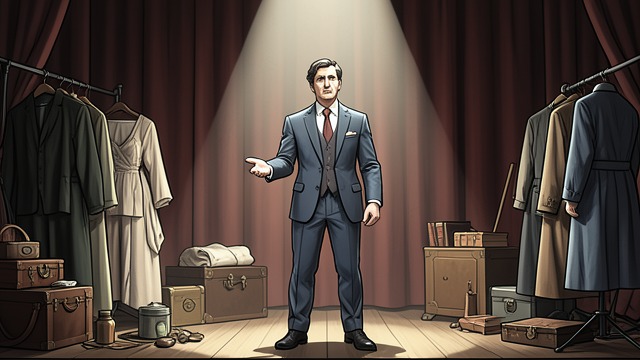
Stoker’s Theatre Life
Manager and Writer
Bram Stoker works at Lyceum Theatre while writing fiction. His professional life in theatre shapes his sense of staging, entrances, spectacle, and performance.
Dracula’s Construction
The novel emerges from a world of technology, empire, publicity, and theatrical charisma. The Count is both literary character and stage-ready presence.
Private Attachments
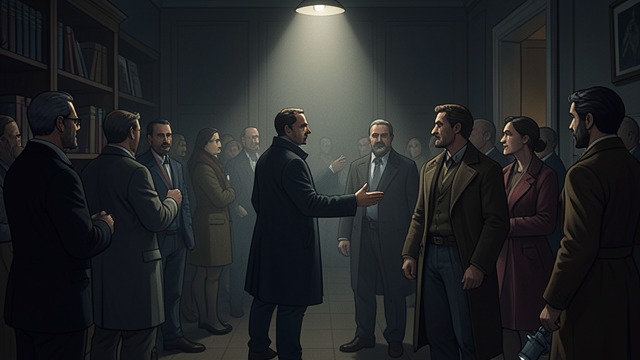
Private Attachments
Friendship and Desire
Stoker’s relationships with Oscar Wilde, Henry Irving, and Walt Whitman complicate the public morality associated with his writing. The book treats interpretation as suggestive rather than certain.
Fictional Freedom
Dracula permits desires to appear in displaced, monstrous form. The Count’s transgressive freedom may reflect the pressures surrounding the author’s social world.
Legacy Stewardship
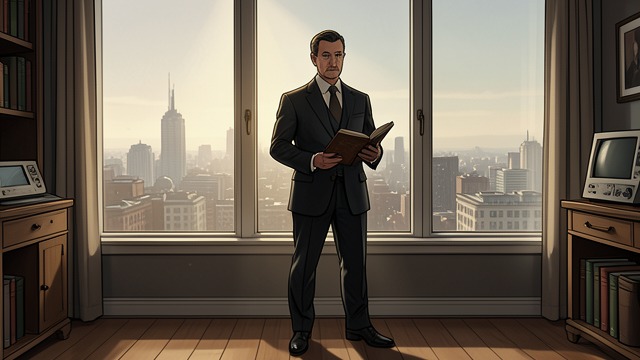
Legacy Stewardship
Family Custodianship
Dacre Stoker studies Bram Stoker’s life and welcomes new adaptations. The family name becomes a bridge between historical memory and popular reinvention.
Open Canon
The legacy is preserved not by enforcing one correct Dracula but by allowing the myth to evolve. Cultural survival depends on reinterpretation.
1816
1816 to 1819
1878 to 1897
the late nineteenth century
the twenty-first century
