
The Vampire as Other
A History of the Vampire in Popular CultureThis thread develops the vampire as a figure for people and communities treated as dangerous because they do not fit dominant norms.
increasing Bearing strength in each event
 decreasing
Bearing strength in each eventdecreasingForeign Body
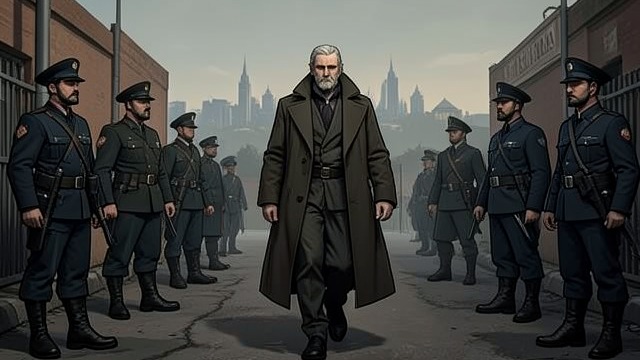
Foreign Body
Eastern Origins
Early English accounts place vampires in distant eastern regions. Geography makes the undead both exotic and threatening.
Border Anxiety
The vampire’s movement toward western cities dramatizes fear of invasion. Foreignness becomes part of the monster’s power.
Female Outsider
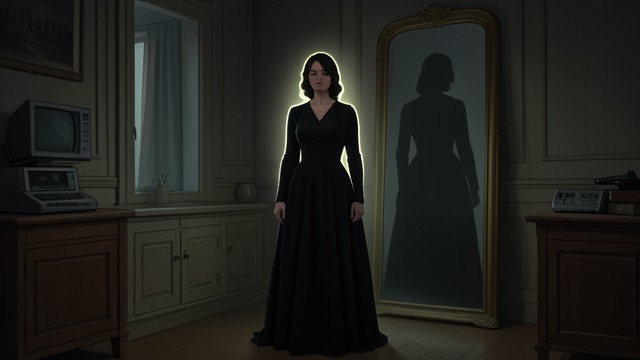
Female Outsider
Carmilla’s Difference
Carmilla’s desire and autonomy place her outside Victorian expectations. Her supernatural identity intensifies a social transgression that already exists.
Punitive Narrative
The story destroys her, but the destruction cannot erase her appeal. The outsider remains culturally powerful because she embodies forbidden possibility.
Civil Rights Allegory
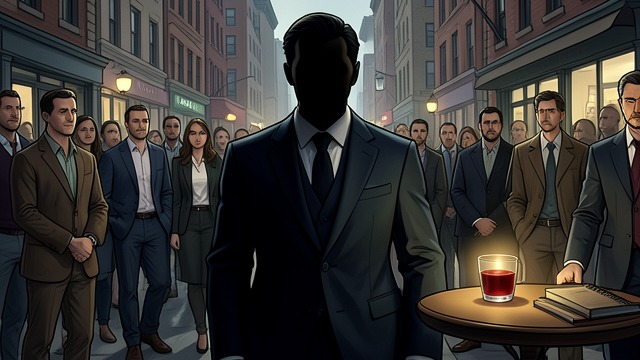
Civil Rights Allegory
Coming Out of the Coffin
True Blood borrows language from LGBT+ activism to describe vampires becoming publicly visible. The vampire’s social status becomes a metaphor for minority recognition.
Equality and Fear
Synthetic blood promises coexistence, but old habits and prejudice remain. Acceptance requires institutions and self-restraint from both groups.
Chosen Difference
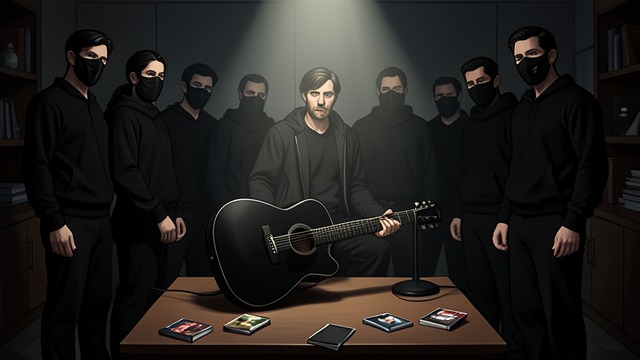
Chosen Difference
Gothic Belonging
Goth communities turn darkness into a positive identity rather than a stigma. Clothing and music allow participants to make difference visible on their own terms.
Safety in Numbers
The scene offers protection through shared taste and recognition. Otherness becomes a source of community rather than permanent isolation.
Empathy for Monsters
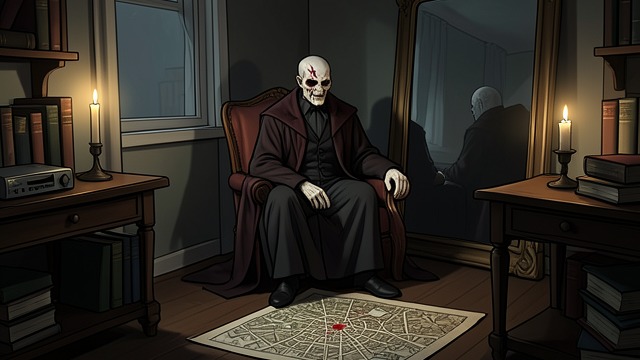
Empathy for Monsters
Created Rather Than Born
Fran Hansen’s vampire characters express sympathy for beings shaped by circumstances. The monster is judged through history and choice rather than appearance.
Ethical Imagination
Fiction becomes a rehearsal space for compassion. By humanizing vampires, audiences also practice questioning their assumptions about real outsiders.
the eighteenth century
1872
the 2000s
the contemporary period
the book’s later chapters
