
Relationships as Blood Bonds
A History of the Vampire in Popular CultureThis thread compares recurring relationships in which blood functions as intimacy, possession, memory, or mutual dependence.
increasing Bearing strength in each event
 decreasing
Bearing strength in each eventdecreasingCarmilla and Laura
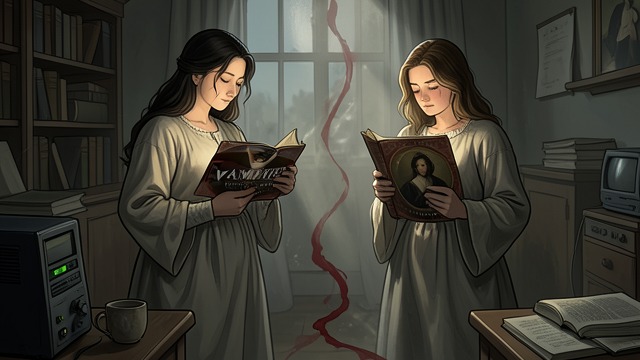
Carmilla and Laura
Instant Recognition
Carmilla and Laura feel connected through shared dreams and an ancestral portrait. Their intimacy appears fated before either understands the danger.
Desire and Predation
Carmilla’s affection is genuine but inseparable from feeding. The relationship makes lesbian desire visible while framing it through Victorian fear.
The General’s Pursuit
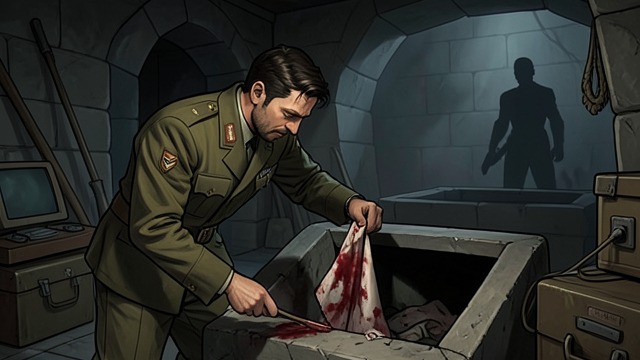
The General’s Pursuit
Repeated Pattern
General Spielsdorf recognizes that Carmilla, Millarca, and Mircalla are the same predator. His grief converts intimacy into investigation.
Restoring Boundaries
He joins the search for the tomb and tries to end the cycle. The hunt represents an attempt to reclaim daughters from supernatural seduction.
The Tomb’s Destruction
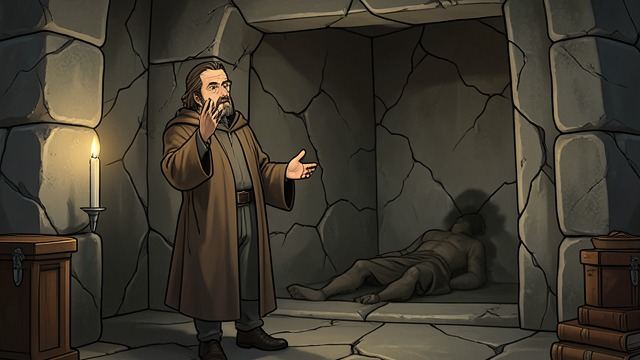
The Tomb’s Destruction
Vordenburg’s Knowledge
Baron Vordenburg identifies the connection between the vampire’s identities and her burial place. Scholarship becomes the tool that makes physical resistance possible.
Love Unresolved
Carmilla is destroyed, but Laura’s emotional memory remains. The ending removes the predator without undoing the desire that made her compelling.
The Afterimage
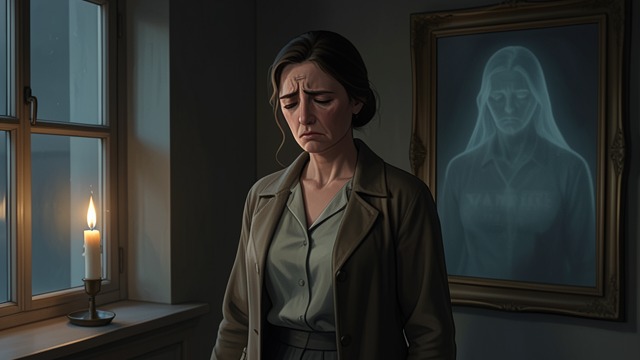
The Afterimage
Persistent Memory
Laura continues to feel the impact of Carmilla’s presence. Destruction ends bodily threat but not emotional attachment.
Cultural Survival
The relationship outlives the narrative as a model of sapphic danger and fascination. Its power lies in refusing to separate love entirely from violence.
A Female Vampire Tradition
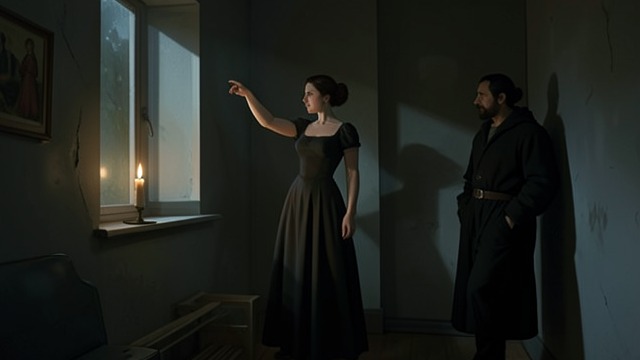
A Female Vampire Tradition
Expanding Agency
Later female vampires inherit Carmilla’s combination of beauty, appetite, and independence. They may be villains, antiheroes, or survivors rather than mere victims.
Unequal Sympathy
The book asks why audiences grant tragic complexity more readily to male vampires. The female vampire exposes the gendered limits of cultural empathy.
1872
after Bertha’s death
the novella’s ending
after Carmilla’s death
the modern era
