
The Making of the Modern Vampire
A History of the Vampire in Popular CultureThis thread follows the transformation of ugly revenants and regional spirits into elegant literary and cinematic vampires.
increasing Bearing strength in each event
 decreasing
Bearing strength in each eventdecreasingAncient Blood Drinkers
Ancient Blood Drinkers
Fragmented Ancestors
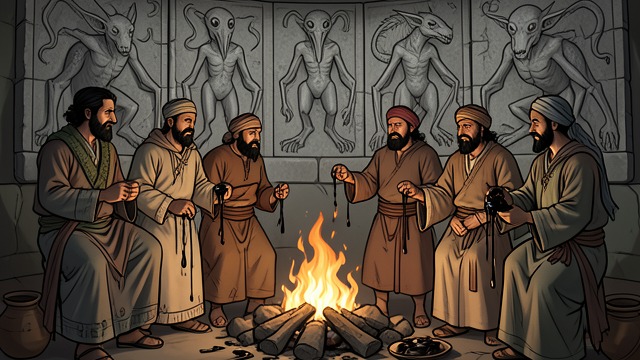
Older traditions contain beings who kill children, seduce sleepers, or drain vitality. They do not yet share the unified appearance later audiences call vampiric.
Cultural Variation
Lamia, Astryiah, Impundulu, and related figures reveal that life-sucking mythology grows from local anxieties. Their differences establish the raw material later literature will combine.
The Gothic Threshold
The Gothic Threshold
Castle and Curse
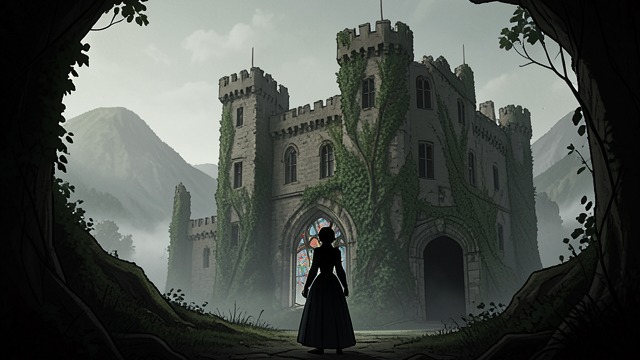
Castle of Otranto establishes the architecture of Gothic fiction: ancestral guilt, decaying interiors, secret passages, and threatened women. It contains no modern vampire, but it creates the atmosphere in which one can flourish.
Literary Preparation
The novel turns supernatural fear into a marketable narrative form. Later vampire fiction inherits its settings, pacing, and fascination with aristocratic violence.
Polidori’s Intervention
Polidori’s Intervention
The Aristocratic Predator
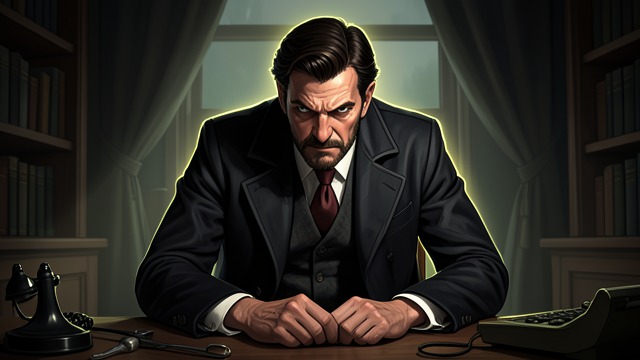
The Vampyre replaces the ugly revenant with Lord Ruthven, a polished and socially powerful seducer. His danger lies in charm, mobility, and deliberate exploitation rather than mere physical monstrosity.
A New Template
The story makes vampirism fashionable. Blood, sexuality, status, and tailored elegance become inseparable, establishing the bad-boy vampire as a durable fantasy figure.
Stoker’s Consolidation
Stoker’s Consolidation
Mythic Synthesis
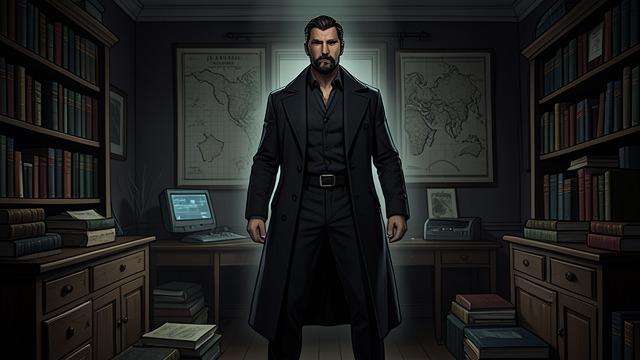
Dracula gathers earlier elements into a single mythology of transformation, contagion, aristocratic power, and nocturnal predation. Count Dracula becomes a personality with plans rather than a mere supernatural incident.
Cultural Foundation
The novel is uneven but foundational. Its Count supplies the bloodline from which later screen and literary vampires continue to diverge.
Cinematic Standardization
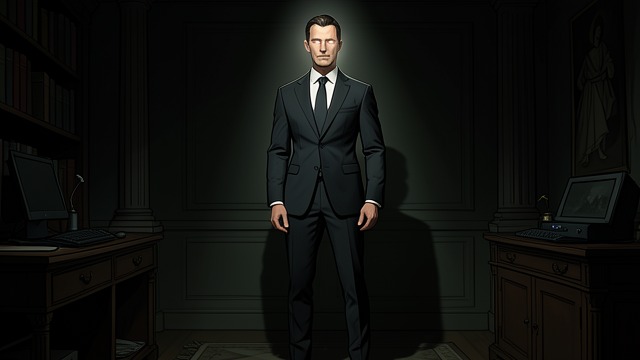
Cinematic Standardization
Monster and Icon
Count Orlok first restores the vampire’s corpse-like ugliness, while Bela Lugosi and Christopher Lee establish contrasting forms of aristocratic glamour. Cinema makes visual appearance central to the myth.
Lasting Image
The screen vampire becomes recognizable through posture, costume, voice, fangs, and lighting. Later adaptations can parody or reject the image only because these performances made it standard.
antiquity
1764
1819
1897
1922 to 1958
