
The Fateful Shipboard Pattern
A History of the Vampire in Popular CultureThis thread traces the recurring image of the vampire as a hidden passenger whose presence converts travel into claustrophobic catastrophe.
increasing Bearing strength in each event
 decreasing
Bearing strength in each eventdecreasingThe Demeter Voyage
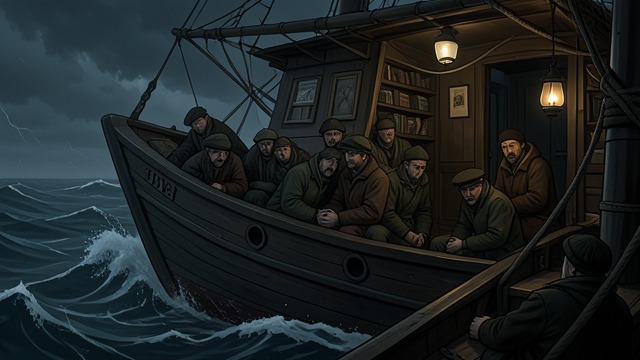
The Demeter Voyage
Hidden Passenger
Count Dracula travels toward England aboard Demeter, where the ship becomes a sealed environment of suspicion and disappearance.
Maritime Isolation
The sea prevents escape and reliable investigation. Travel, normally associated with opportunity, becomes a mechanism for concentrating fear.
Ancient Threat Abroad
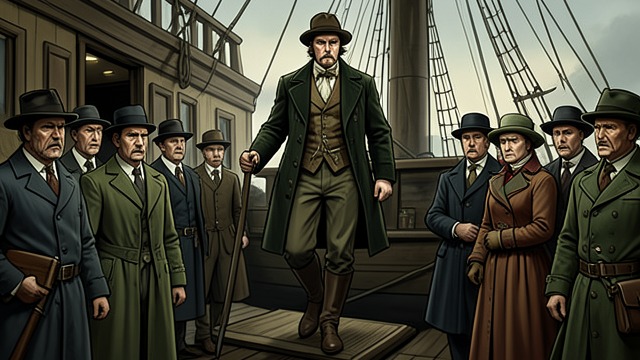
Ancient Threat Abroad
Foreign Arrival
The vampire reaches Victorian Britain from an unfamiliar eastern landscape. His movement embodies anxieties about empire, migration, disease, and cultural contamination.
Domestic Invasion
The threat is frightening because it crosses borders. The foreign monster enters the modern city rather than remaining in a remote legend.
Cabin Confinement
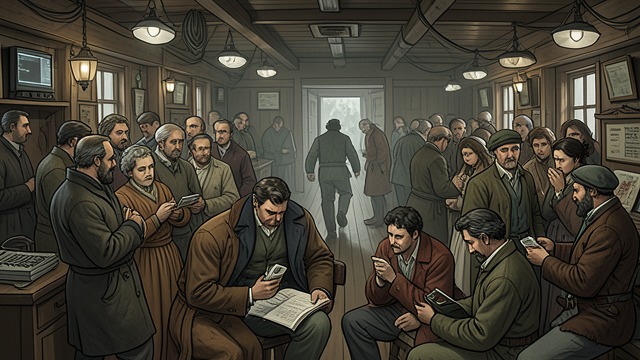
Cabin Confinement
Revised Journey
The BBC adaptation places a diverse group of passengers aboard the Demeter and uses the ship as a laboratory for moral choices. Dracula manipulates the passengers while concealing his identity.
Social Breakdown
The confined community invents scapegoats and bargains for survival. The ship’s physical danger exposes ordinary cruelty before supernatural violence completes it.
Disease Reimagined
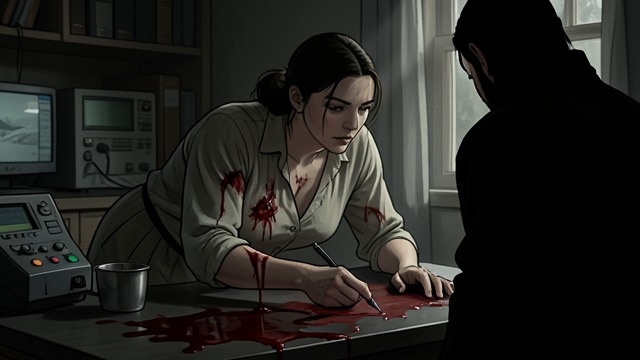
Disease Reimagined
Blood as Information
The adaptation makes blood carry memory, identity, illness, and death. Dracula’s feeding becomes a form of intimate knowledge rather than simple consumption.
Contamination Reversal
Zoe’s cancerous blood harms Dracula, reversing the usual direction of infection. The human body becomes the lethal environment in which the immortal predator cannot survive.
Arrival at Whitby
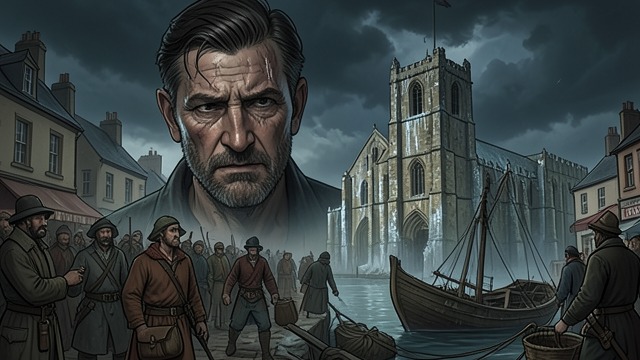
Arrival at Whitby
Ruined Landing
The vampire’s arrival at Whitby joins maritime disaster to Gothic geography. The coastal town becomes a threshold between foreign darkness and domestic society.
Lasting Landscape
Whitby Abbey and the harbor preserve the visual memory of the story. Place turns literary fiction into tourism, ritual, and cultural inheritance.
Dracula’s journey to Britain
the nineteenth century
the 2020 adaptation
2020s
after the voyage
