
The Conflict Between Beauty and Monstrosity
A History of the Vampire in Popular CultureThis thread follows the changing visual and moral relationship between attractive vampires and visibly monstrous bodies.
increasing Bearing strength in each event
 decreasing
Bearing strength in each eventdecreasingUgly Revenants
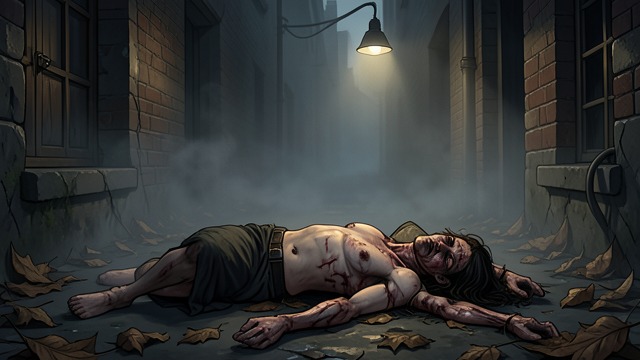
Ugly Revenants
Corpse Imagery
Early undead figures are feared because they look decomposed, swollen, or physically wrong. Their bodies confirm that death has been violated.
No Seductive Distance
The audience is not invited to desire these beings. Horror depends on disgust and the collapse of the boundary between corpse and living person.
Elegant Predator
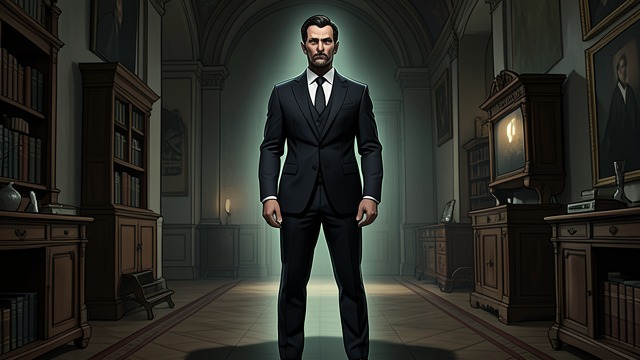
Elegant Predator
Social Camouflage
Lord Ruthven makes danger attractive. His manners and status allow him to enter spaces that an obviously monstrous corpse could never reach.
Desire as Defense Failure
Victims and readers are drawn toward the threat. Beauty becomes the mechanism through which predation succeeds.
Expressionist Horror
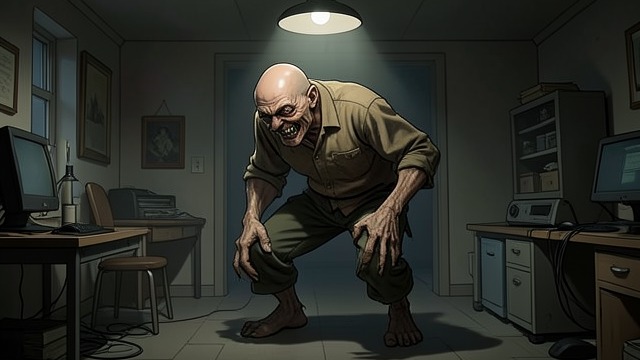
Expressionist Horror
Orlok’s Body
Count Orlok rejects aristocratic attractiveness and returns the vampire to claws, baldness, teeth, and corpse-like movement. His ugliness becomes an artistic weapon.
Visual Otherness
The film makes monstrosity impossible to romanticize. Its image remains powerful precisely because later vampires usually move in the opposite direction.
Lee’s Dark Glamour

Lee’s Dark Glamour
Sexualized Threat
Christopher Lee combines physical beauty, height, voice, and seriousness. His Dracula turns violence into an encounter victims may appear to welcome.
Evil Made Attractive
The performance establishes the vampire as elegant, deadly, and emotionally compelling. Moral danger becomes more seductive when it is perfectly presented.
Sparkling Safety
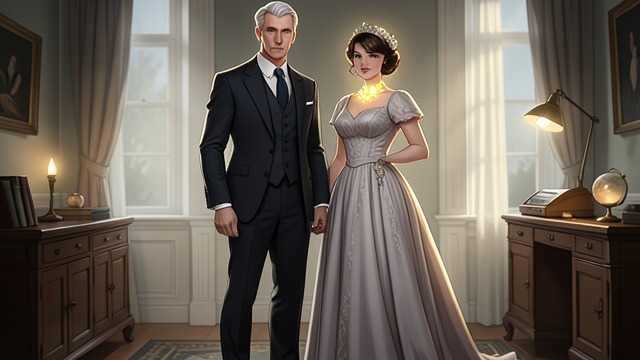
Sparkling Safety
Perfect Surface
The Twilight vampires are beautiful, wealthy, and carefully dressed. Their appearance reassures audiences that danger can be contained inside romantic perfection.
Moral Contradiction
Edward Cullen’s threat is repeatedly announced but rarely enacted. Beauty transforms an objectively dangerous relationship into a fantasy of safe exceptionalism.
before 1819
1819
1922
1958
2005 to 2012
