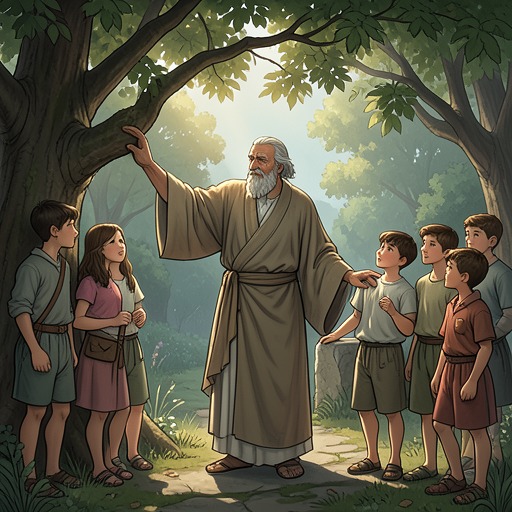
Carpathia
A History of the Vampire in Popular CultureCarpathia is presented as the remote landscape in which Count Dracula has spent centuries in near isolation, transforming geographic distance into a moral and psychological atmosphere. Its decisive significance lies less in a detailed map of the region than in its role as the dark interior of the vampire tradition: a place where inherited Eastern European fears, aristocratic seclusion, and the imagined persistence of the undead become concentrated.
A Region Made Gothic
Carpathia belongs to the broad Eastern European setting from which many of the oldest vampire stories emerged. The history of the word vampire is uncertain, but its presumed roots in the Hungarian vampir and the Old Church Slavonik opiri reinforce the tradition’s Slavic associations. In this cultural geography, the region is not merely an exotic backdrop. It represents the older, more physically dreadful form of the vampire, before Gothic literature reshaped the creature into the handsome, seductive figure familiar from later novels and films.
The surrounding folklore is marked by varied forms of life-sucking beings rather than by one standardized species. Lamia can appear as a child-killing blood drinker or as a seductive demon resembling a succubus; Astryiah, recorded in Sefer Hasidim, is an elderly female vampire said to draw blood through her hair; and the impundulu of eastern Cape serves as a witch’s familiar, usually appearing as a black-and-white lightning bird or sometimes as a beautiful young man. These traditions show the cultural field into which Carpathia is placed: a landscape of shifting bodies, inherited fears, and local explanations for death.
Dracula’s Seclusion
Carpathia is most directly defined through Count Dracula’s biography in Dracula. He has spent centuries there in near isolation, polishing his hatred of the human race until it becomes one of the defining forces of his character. The region therefore functions as both residence and enclosure. Its distance from ordinary society helps explain how Dracula can be ancient, powerful, and profoundly detached from human life while still remaining attached to the human world through desire, predation, and conflict.
That isolation also complicates the usual image of the vampire as simply a monster. Dracula is described as psychopathic in his lack of empathy for human life, and he can transform into terrifying creatures to evade those hunting him. Yet the long solitude associated with Carpathia gives his character a tragic outline as well: the Count is not made sympathetic by moral reform, but his isolation makes his hatred appear cultivated, accumulated, and historically deep. The region becomes the spatial form of that contradiction, at once a refuge for the predator and the prison of a being cut off from ordinary human connection.
From Folklore to Literary Territory
The nineteenth century brought a sharper and more recognizable vampire image. Earlier revenants and folkloric creatures were often ugly, dangerous, or functionally linked to local explanations of death. By contrast, mass-market fiction and later cinema increasingly produced vampires who were darkly aesthetic, irresistibly tempting, and vulnerable enough to invite fantasies of redemption. Carpathia stands at the point where this older Eastern European inheritance becomes literary territory for the modern vampire.
Bram Stoker’s Count is the clearest expression of that transformation. Dracula, written when Stoker was fifty and published in 1897, turns the secluded Carpathian figure into the archetypal vampire antihero. The novel’s central energy is desire: the Count’s predation, Jonathan Harker’s exposure to danger, and Renfield’s desperate wish to consume the creatures he gathers all belong to a world in which appetite repeatedly crosses the boundary between bodily hunger and psychological submission. Carpathia gives that desire a place of origin, making the region the imagined source from which the modern vampire’s aristocratic menace travels outward.
Historical Memory and Vampire Panic
The region’s significance is also connected to the historical credibility once granted to accounts of the undead. In the early 1700s, eastern European communities hunted and staked suspected vampires during what became known as the eighteenth-century vampire craze. In one Serbian village, thirteen deaths occurred in 1731 in rapid succession. Although a doctor attributed the deaths to malnutrition, residents insisted that vampires were responsible and persuaded him to exhume corpses. The bodies appeared insufficiently decomposed, and their mouths seemed to contain fresh blood; later, Johann Flückinger and other officials also observed little decomposition and a plump appearance in many bodies.
Such reports show how a regional setting could become an archive of competing authorities. Medical explanations, eyewitness testimony, religious assumptions, military inspection, and communal fear all struggled to define what the corpse meant. Antoine Augustin Calmet later collected and discussed reports of apparitions, revenants, and vampires from Hungary, Bohemia, Moravia, and Silesia in The Phantom World, helping move regional accounts into learned European debate. Carpathia consequently carries not only Gothic atmosphere but also the memory of disputes over evidence, disease, death, and the limits of knowledge.
Cultural Afterlife
Carpathia’s literary afterlife depends on its contrast with later, more standardized vampire worlds. Scottish tales of the baobhan sith, for example, place seductive blood-drinking women in shielings and caves, while medieval accounts by Walter Map describe revenants who rise from their graves and require exhumation, cutting, holy water, or a cross to be stopped. These stories do not belong to one uniform mythology, but their recurrence makes Carpathia legible as a central reference point rather than an isolated invention.
The region also survives through the systems that repeatedly reinterpret vampire fear. In the nineteenth century, tuberculosis was blamed on the dead returning to drain the life force of surviving relatives in New England. In twentieth-century Glasgow, newspapers linked the Gorbals Vampire panic to imported horror comics and advocated banning them, although local industrial light, smoke, and older storytelling traditions may have shaped the legend more directly. The same pattern appears throughout vampire history: a place, body, or story becomes frightening; institutions assign it a cause; and popular media recirculate the explanation. Carpathia remains powerful because it preserves the earliest and most durable version of that cycle, where landscape, history, superstition, and imaginative desire meet.