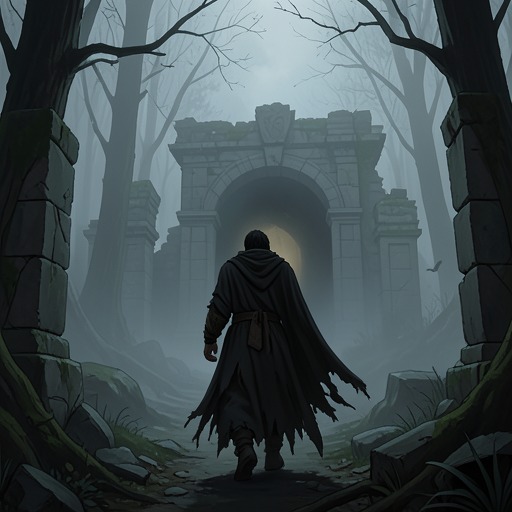
Castle of Otranto
A History of the Vampire in Popular CultureCastle of Otranto is the central setting of Horace Walpole’s 1764 novel, widely accepted as the first Gothic novel. More than a backdrop, it is the structure through which the story makes fear visible: a castle threatened by an apparent curse becomes a maze of inherited power, mistaken identity, secret movement, and murderous desperation. Its success established a durable model for Gothic fiction, even as its contested claim to historical authenticity exposed the unstable boundary between invented history and literary reality.
Origins and Literary Identity
Castle of Otranto first appeared in 1764 and was later presented with the subtitle A Gothic Story. That subtitle helped give a name to the mode the novel came to represent. The work is widely accepted as the first Gothic novel, and its importance lies not in introducing vampires but in creating the narrative environment in which later supernatural and Gothic figures could flourish.
The novel’s setting was initially framed as though it were a translation of a medieval manuscript. Its popularity suffered when readers discovered that it was a work of fiction rather than the recovered translation they had been led to expect. That reversal made the castle’s authority double-edged: it claimed the weight of an old document while depending on the techniques of modern invention. The setting therefore helped establish Gothic fiction as a form fascinated by buried histories while remaining alert to the artificiality of the stories that revive them.
Architecture of Gothic Fear
The castle is associated with crumbling medieval spaces, secret passageways, and the oppressive atmosphere of a threatened hereditary estate. These architectural features turn physical movement into narrative danger. Characters do not inhabit an open, stable world; they move through concealed routes and unstable structures where identity, authority, and safety can change without warning.
The castle’s apparent curse gives this architecture a governing pressure. Manfred’s desperate attempt to thwart the curse drives him toward madness and murder, making the building a space where political and familial anxiety become destructive action. The castle does not simply contain the plot. Its walls, passages, and decaying grandeur give material form to the fear that the past can return and that inherited power cannot control what it has inherited.
Plot Function and Human Violence
There are no vampires hiding in Castle of Otranto. The novel nevertheless contains a monster, and its most decisive menace is connected to the behavior of the human ruler who tries to resist the curse. Mistaken identities and vulnerable maidens place personal bodies under the pressure of dynastic and supernatural forces, while Manfred’s response transforms fear into persecution and violence.
This combination became one of the setting’s most influential legacies. The castle joins the spectacular and the intimate: a medieval stronghold can appear grand and terrifying, yet its crises are expressed through confused identities, endangered women, family claims, and the collapse of rational control. The result is a Gothic space in which terror is inseparable from fascination, because the same ruins that threaten the characters also provide the visual and emotional beauty of the genre.
Influence on Later Gothic Fiction
Walpole’s tale paved the way for later classics, including Mary Shelley’s Frankenstein; or, The Modern Prometheus, published in 1818. Its influence prepared readers for stories built from ancestral curses, haunted or decaying architecture, concealed corridors, and figures whose desires become destructive when confronted by forces larger than themselves.
The castle also forms part of the literary history that eventually made the modern vampire possible. By 1819, John William Polidori’s The Vampyre had transformed the vampire into a blood-and-lust-driven figure with a polished appearance and fashionable tailoring. That later creature does not originate inside Castle of Otranto, but the castle helped create the Gothic atmosphere in which such a figure could become culturally legible: aristocratic, erotic, dangerous, and inseparable from old secrets and threatened bodies.
Narrative and Cultural Significance
Castle of Otranto remains significant because it established a reusable grammar rather than a single isolated image. The cursed estate, the crumbling medieval setting, the secret passage, the mistaken identity, and the vulnerable maiden became recognizable components of the Gothic imagination. They allow the genre to stage fear as both confinement and spectacle, turning architecture into a record of pressure that the characters cannot escape.
Its importance is also bound to the tension between authenticity and fabrication. The public’s disappointment on learning that the supposed medieval manuscript was fictional did not erase the novel’s power; instead, it revealed how strongly Gothic fiction depends on the promise of recovered secrets. Castle of Otranto made invented antiquity feel like an active force, and in doing so it became the first durable home of a literary tradition whose monsters would later include Frankenstein’s creature and the modern vampire.