the 1980s
A History of the Vampire in Popular Culturethe 1980s mark a decisive cultural setting in the history of the modern vampire: a period when gothic culture moved from post-punk clubs into a recognizable world of music, fashion, films, cosmetics, and deliberately cultivated darkness. In the book’s account, this decade did not merely revive an older fascination with the undead. It supplied a social language through which horror, sexuality, alienation, beauty, and resistance to ordinary life could be worn, heard, watched, and consumed.
Gothic Culture and Personal Formation
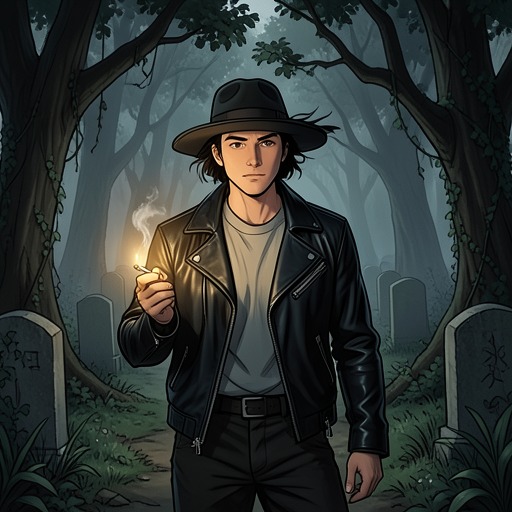
the 1980s gave the narrator a ready-made environment in which an earlier obsession with old horror films could become a lived identity. After discovering films including The Mummy’s Hand, The Bride of Frankenstein, and Dracula, the narrator became fascinated by a world organized around death, beauty, and barely concealed sexuality. The gothic scene then offered music, movies, and macabre imagery through which that fascination could be extended beyond the television screen. The culture was material as well as imaginative. The narrator spent pocket money on inexpensive Constance Carroll eyeshadows from a local market, wore so much black eyeliner that the effect resembled a bruised face, and dressed in black velvet with matching black lipstick while sitting in a family semi-detached house in the West Midlands. The details place gothic identity between aspiration and limitation: the desired nocturnal world was assembled from cheap cosmetics, recorded films, domestic clothing, and music played repeatedly in an otherwise ordinary suburban setting. The decade’s soundtrack included Phantasmagoria by The Damned, First And Last And Always by The Sisters of Mercy, and God’s Own Medicine by The Mission. These records made the macabre communal rather than merely private. The narrator’s longing for a vampire to appear at the bedroom window thus becomes an emblem of the period’s imaginative tension: an intensely romantic desire for darkness taking shape inside an unmistakably mundane home.
The Wider Historical Atmosphere
the 1980s are presented against a much longer history in which social instability repeatedly encourages supernatural explanations. The nineteenth century, for example, combined industrial development and scientific discovery with spiritualism, séances, belief in fairies, and newspaper reports of witchcraft treated as fact. The second Industrial Revolution changed society at a speed that could seem magical, while older beliefs remained available as a form of psychological and cultural stability. The same pattern appears in the New England vampire panic, when tuberculosis was widely known as consumption because it seemed to consume its victims’ health. In the absence of adequate medical understanding, families sometimes imagined that the dead returned to drain the life force of surviving relatives. At Exeter, Rhode Island, Lena “Mercy” Brown died in January 1892 after tuberculosis had already killed her mother and elder sister. Neighbours persuaded her reluctant father, George Brown, to disinter the bodies; because Mercy’s corpse appeared comparatively fresh, her heart and lungs were removed and burned, and the ashes were mixed with water for her surviving brother Edwin. Edwin died on 2 May 1892, showing how the attempt to impose supernatural control on disease could become an additional instrument of harm. Earlier still, the eighteenth-century vampire craze produced the exhumation and staking of suspected vampires in eastern Europe. In 1731, thirteen deaths in a Serbian village were attributed by residents to vampire attacks despite a doctor’s explanation that malnutrition was the more likely cause. Johann Flückinger and other witnesses later examined bodies that seemed unusually well preserved and plump, appearances interpreted through existing folklore rather than medical evidence. Antoine Augustin Calmet’s The Phantom World, first published in 1746 and revised in 1751, helped preserve and organize such reports within learned discussion. The 1980s therefore inherit not a single vampire tradition but a recurring historical process in which fear, authority, medicine, religion, and storytelling compete to explain death.
Vampire Desire and Consumer Culture
the 1980s also helped consolidate the vampire as a desirable figure rather than merely a terrifying one. For modern readers and viewers, immortality offers an escape from bills, employment, ageing, and the ordinary burdens of daily life. Fiction commonly turns the vampire into a wealthy, charismatic, perfectly dressed figure whose long existence has allowed the accumulation of money and knowledge. The supernatural body becomes an aspirational object, and gothic culture supplies the clothes, cosmetics, music, and décor through which that aspiration can be displayed. This economy of desire is inseparable from blood. Blood signifies life, but allowing another person to take it also suggests trust, intimacy, vulnerability, and erotic surrender. In True Blood, vampire blood is recast as “V,” a substance with aphrodisiac and heightened-sensation effects that can become addictive. The reversal is significant: humans are no longer only prey. They may hunt vampires in order to extract and sell their vital essence, turning supernatural life into a black-market commodity. The culture’s commercial afterlife is visible in its continuing market for gothic objects. The book notes that fake fangs, skull ornaments, and spiderweb earrings can be bought through Amazon, while Victorian mourning-wear remains a fashion reference for people around the world. What began as a countercultural style linked to post-punk music thus becomes reproducible merchandise. Its imagery can retain an oppositional charge while also functioning as a consumer identity available for purchase.
Media, Morality, and Social Panic
the period’s fascination with gothic imagery exists alongside recurring attempts to regulate or suppress it. The Gorbals Vampire episode of 1954, though earlier than the 1980s, shows how horror media could be blamed for collective fear. The Daily Mirror called for horror comics to be banned after children hunted a supposed vampire in Glasgow, and later reports described children attacking travellers while shouting that the occupants were witches. A confidential government memo acknowledged that such comics were not legally obscene under the Obscene Publications Act 1857 but argued that they could be as harmful, or more harmful, to children and young people. These controversies reveal that vampire culture is never only entertainment. It becomes a site where adults negotiate anxieties about children, sexuality, violence, foreign influence, and uncontrolled imagination. Yet the alleged cause of the Gorbals panic may have been local rather than imported: the nearby ironworks sent red light and smoke across the cemetery, making gravestones and figures seem to move. The episode illustrates how media narratives can simplify a complex event by assigning blame to a visible cultural object. Vampire stories also reproduce and question moral judgments about sexuality. In The Vampyre and later works, women who are seduced by vampires frequently die, as though sexual confidence itself makes them responsible for their fate. Maudette Pickens in True Blood is treated as a tragic example of the same logic, with loneliness and promiscuity made to appear mutually contaminating. Blood and sex become intertwined, but the moral burden falls especially heavily on women, whose desire is presented as both alluring and punishable.
Enduring Cultural Afterlife
the 1980s did not close a chapter in vampire culture; they helped establish its continuing afterlife. Gothic music and fashion emerged from political unrest and economic depression, especially through post-punk clubs in northern England, then expanded into a culture of its own. The term gothic rock had earlier been applied to music associated with Jim Morrison and The Doors, but the 1980s gave the style a durable social form in which music, appearance, horror, and community could reinforce one another. The decade’s importance lies in this conversion of private fantasy into public belonging. A person could listen to vampire-inflected music, dress in mourning-inspired black, adopt theatrical cosmetics, and enter a cultural world that made alienation legible rather than shameful. The vampire became both an object of longing and a figure for being permanently different: dark, beautiful, dangerous, and resistant to the ordinary categories of respectable life. That appeal persists because the vampire combines fear with pleasure and death with style. The 1980s supplied the modern infrastructure for that combination, but the underlying impulses reach back through medical panic, religious uncertainty, sexual repression, literary invention, film censorship, and commercial fantasy. In that sense, the decade’s gothic revival is less a resurrection than a transformation: the undead moved from the crypt and the cinema into music, clothing, commodities, and the daylight of popular culture.