
Bernstein and the Media Profile
A Killer’s MindThis thread traces how Ruben Bernstein’s public authority shapes the Chicago investigation before Zoe Bentley challenges his assumptions and the media turns his profile into a misleading lead.
increasing Bearing strength in each event
 decreasing
Bearing strength in each eventdecreasingA Famous Consultant
Expertise on Display
A welcome in the task force room
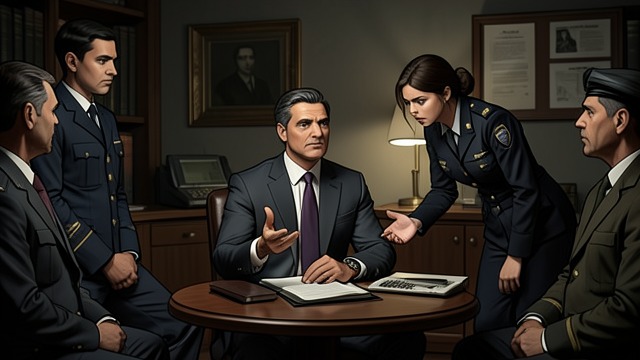
Tatum Gray arrives in Chicago and learns that Ruben Bernstein has been hired to assist the police. Lieutenant Martinez describes him as experienced and helpful, establishing Bernstein as an accepted presence before Tatum has assessed his work for himself.
A confident profile
Bernstein describes a white male in his late twenties or early thirties who is likely to have worked in a funeral home, owns a car, and is charming, manipulative, and educated. The portrait is detailed, but many of its claims rest on broad assumptions rather than specific evidence from the two known victims.
Authority and resistance
Tatum questions how Bernstein knows the suspect’s race and age, then challenges the profiler’s explanation of serial killers returning to scenes. The detectives react defensively because Bernstein is familiar and media-visible, while Tatum is a new federal agent. The conflict is not simply about professional pride; it is about how public credibility can make speculation look like established fact.
The Profile Becomes Policy
A Theory Directs Resources
A funeral-home search
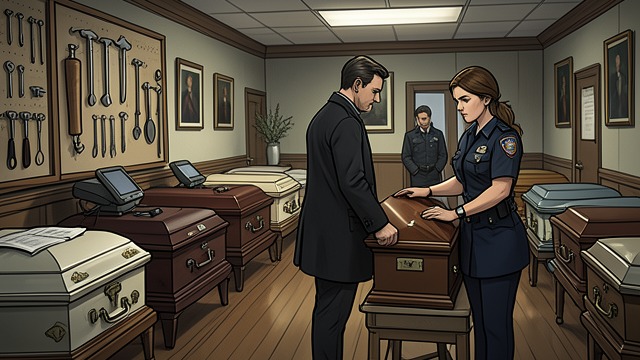
Bernstein’s suggestion that the killer is familiar with embalming leads investigators to examine records from funeral homes. The theory appears plausible because the victims have been preserved, and the suspect has used skills associated with death care.
A missed distinction
Tatum observes that the first body was poorly embalmed and that the next showed improvement. Rather than indicating a seasoned professional, the progression may point to an amateur learning through practice. Bernstein’s polished profile has therefore sent the task force toward a population that may exclude the actual kind of offender.
The cost of a confident guess
The funeral-home search is not absurd, but its confidence exceeds the evidence available. It illustrates how a profiler’s authority can shape police priorities, even when the profile is only a working interpretation. The task force risks spending time on credentials and occupation instead of the offender’s visible learning curve.
Zoe’s Public Challenge
Replacing Certainty with Questions
A staged agreement
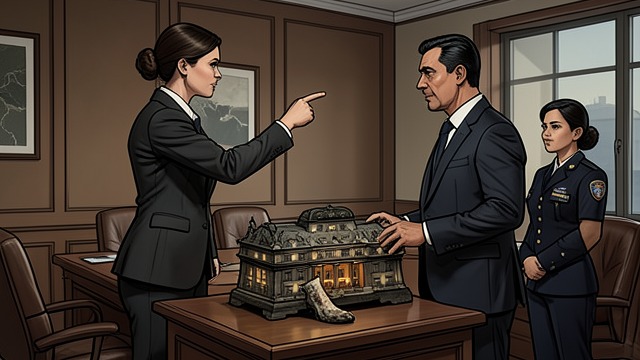
Zoe Bentley begins her meeting by appearing to endorse Bernstein’s claim about the killer’s race, then reveals that his percentages merely reflect general population figures. Her demonstration forces the room to distinguish a statistical baseline from an inference grounded in the crimes.
Challenging the funeral-home theory
Zoe points to the contrast between the first victim’s deteriorating foot and the later bodies’ better preservation. She argues that the killer is still learning and that experienced embalmers should not be treated as the most likely suspects. Her reasoning reframes the apparent expertise as evidence of experimentation.
A personal conflict becomes institutional
Zoe calls Bernstein a talking head and he leaves the meeting. Martinez objects to her manner, even while the weaknesses in the profile have been exposed. The confrontation shifts the investigation away from media credentials and toward testable questions, but it also damages trust between the consultants and the police.
The Expert Leaves the Room
The Vacuum After the Argument
An empty chair
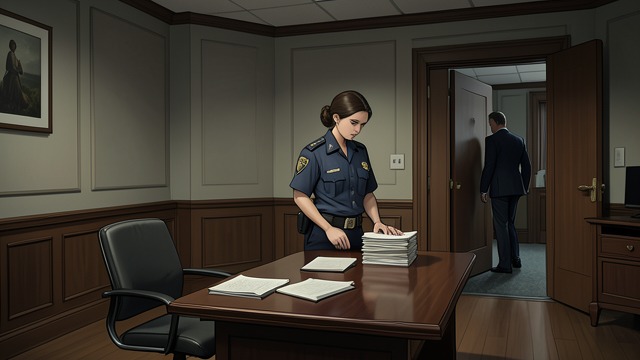
Bernstein does not come to the station and does not answer his phone. Martinez gives his former place to Zoe, leaving the team to work without the public expert whose conclusions had recently guided their search.
A different method takes shape
Zoe returns to handwritten notes and begins building a profile from the offender’s fantasy, technical development, and need for control. Her approach is more cautious about familiar typologies: she tests possible explanations and admits what she cannot yet account for, including why the killer preserves and poses the bodies.
From expert performance to investigation
Bernstein’s absence does not prove every part of his profile wrong, but it changes who is setting the questions. The task force starts looking at the sequence of the crimes, the learning evident in the embalming, and the victims’ circumstances. A televised identity has given way to slower, evidence-centered work.
The Media Repeats the Mistake

A Public Theory Outruns the Evidence
The nickname hardens
Coverage continues to call the offender the Strangling Undertaker, although Zoe believes the killer does not work as an undertaker. The label is memorable and repeated, but it narrows public imagination around an occupational stereotype that may be false.
A profile becomes news
The media reports that the suspect is probably a white man who works in a funeral home. Zoe suspects Bernstein has been speaking to reporters and turning his profile into a public claim. A hypothesis that had already directed police resources now circulates as if it were verified information.
Consequences beyond reputation
Such reporting can distort how witnesses interpret what they saw and encourage investigators to focus on the expected kind of suspect. Bernstein’s role therefore matters beyond one meeting: the public expert’s confidence can shape both the investigation’s image and its practical direction. Zoe’s effort to correct the profile becomes part of the larger struggle to separate evidence from a story that merely sounds convincing.
Monday, July 18, 2016, during Tatum’s first briefing in Chicago
Monday, July 18, 2016, after Bernstein’s initial briefing
Monday, July 18, 2016, before the discovery of the third body
Tuesday, July 19, 2016, after Bernstein is absent from the task force
Wednesday, July 20, 2016, after reports identify possible suspects
