
Tatum Gray’s Second Chance
A Killer’s MindTatum Gray’s transfer from Los Angeles begins as a professional exile, but the Chicago investigation gives him a chance to turn combative instincts into collaboration and earn a future in the Behavioral Analysis Unit.
increasing Bearing strength in each event
 decreasing
Bearing strength in each eventdecreasingA Promotion in Name Only
A Promotion in Name Only
The aftermath of a shooting
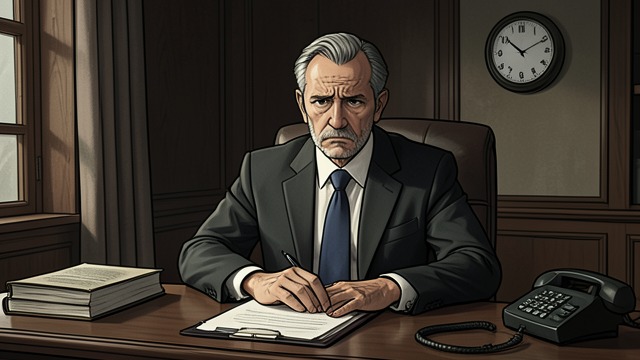
Tatum Gray arrives in the Behavioral Analysis Unit after a controversial shooting during a Los Angeles investigation into a pedophile ring. He believed a suspect was reaching for a weapon, though the man had no gun, and the circumstances invite an internal investigation. His promotion has the outward form of advancement but feels to him like a way to remove him from field work.
A new chief’s warning
Christine Mancuso makes clear that she understands the politics behind his assignment. She does not intend to let him disappear behind a desk, but she also warns that the Bureau’s role in Chicago is consultative, not supervisory. Tatum’s past choices have made senior officials wary of his judgment, even as his instincts and investigative experience remain valuable.
He enters the unit defensive and uncertain of his standing. His task is not simply to solve a case; it is to show that he can work within limits and with people who do not automatically trust him.
The Consultant’s Witness
The Consultant’s Witness
A failed first impression
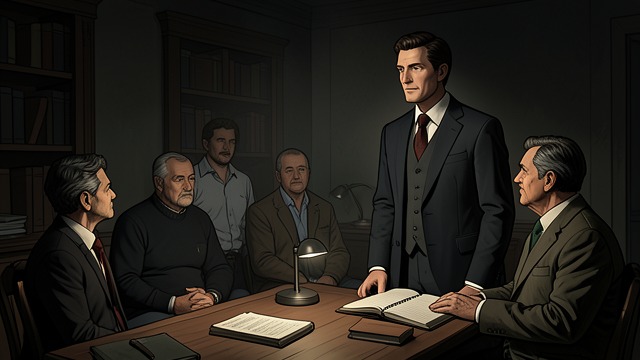
Sent to Chicago to consult on the Strangling Undertaker murders, Tatum challenges the local task force’s media profiler and proposes staking out crime scenes. He is blunt with Lieutenant Martinez and dismissive of Ruben Bernstein, treating his own suspicions as more persuasive than the local team’s experience. Martinez sees the FBI agent as patronizing and unwelcome.
Calling for help, badly
Tatum asks Mancuso to send Zoe Bentley, hoping that her civilian credentials will persuade the detectives to reject Bernstein and listen to Tatum’s ideas. His request is partly strategic rather than collaborative, and Zoe recognizes that she has been recruited as his backup. Their ensuing tension makes clear that his professional frustration has begun to affect his ability to build trust.
Tatum has useful instincts, but this episode shows how easily he undermines them by presenting them as authority. The case gives him an opportunity to learn whether he can consult without trying to take charge.
Learning to Listen

Learning to Listen
Conflict over credit and judgment
Tatum’s frustration peaks when Zoe openly disputes his theories and refuses to endorse his proposed stakeouts. He calls her work invented and attacks the legitimacy of profiling, even though he has brought her to Chicago specifically for that expertise. Zoe answers by confronting his own lack of field credibility and the circumstances of his transfer.
A first repair
After the death of Lily Ramos, Tatum visits Zoe with food and beer, offering an apology and speaking honestly about the shooting that led to his transfer. Zoe shares some of her own doubts about her interpersonal abilities, and Tatum recognizes her focused manner as an asset rather than mere coldness. Their exchange opens a more trusting working relationship.
He is still quick to disagree and does not yet know how to keep disagreement from becoming personal. But his willingness to apologize marks a change: he begins to treat Zoe as a partner whose insight can sharpen his own, not as a tool for winning over the police.
Responsibility at the Door
Responsibility at the Door
A dangerous intervention
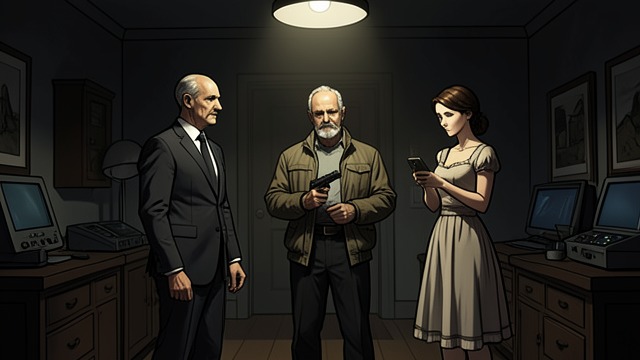
When the evidence points toward Jeffrey Alston and a possible attack on Laura Summer’s household, Tatum helps identify the likely target and moves to intervene. At the house, he enters through the back and confronts Alston as he chokes Laura and uses her as a shield. Tatum lowers his gun rather than risk shooting her, then tries to keep Alston talking while waiting for help.
Owning the consequences
Tatum’s choices are no longer only about proving that his instincts are right. He acts to protect the family, but the operation still involves serious procedural risks, and Zoe enters the house as well. After the arrest, he accepts blame at a meeting with Mancuso, shielding Zoe from some of the institutional consequences even though she made her own decisions.
His protective gesture does not make the investigation’s mistakes disappear. It does, however, show a growing capacity to place a colleague’s safety above his pride and career. He is beginning to assume responsibility rather than merely contest how others judge him.
Guidance Instead of Exile

Guidance Instead of Exile
Consequences without dismissal
Mancuso summons Tatum after the arrest and tells him that he was fortunate the suspect survived, the hostage gave a favorable account, and the public story did not make the Bureau look worse. She remains displeased with the unauthorized and potentially harmful methods used in the case. Tatum’s future is still conditional, not secure by default.
A chance to become an agent
Rather than transfer or dismiss him, Mancuso assigns Tatum to his desk and says she sees the possibility of a strong agent if he follows her direction. She is considering a small field task force and recognizes that Tatum and Zoe work well together. Her warning that there will be no third chance makes the opportunity precise: he has earned continued training, not permission to repeat his mistakes.
Tatum’s path shifts from perceived exile to a probationary second chance. He has not resolved the institutional doubts raised by his past, but he has shown he can learn from collaboration and accept accountability. His next career chapter depends on whether he can sustain those changes.
July 2016, at Tatum’s arrival in Quantico
July 15, 2016, during Tatum’s first days in Chicago
July 18–20, 2016, after Zoe joins the investigation
Late July 2016, during the search for Jeffrey Alston
August 1, 2016, after the case concludes
