Rune’s Alzheimer’s disease
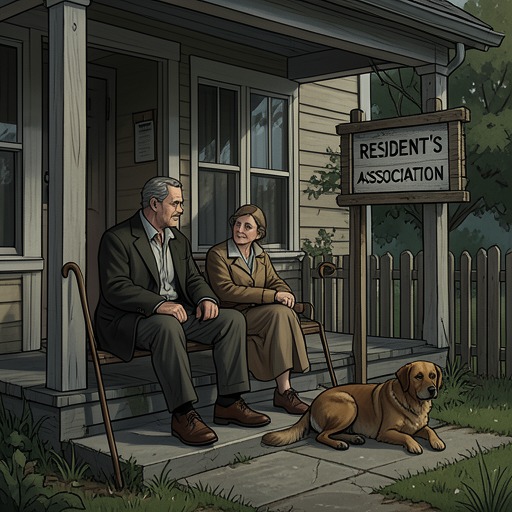
A Man Called OveRune’s Alzheimer’s disease is a serious illness that shapes both his daily life and the struggle over his care. The book gives the diagnosis through Anita’s account rather than through a clinical explanation: Rune is described as very ill and in a wheelchair, while officials use his condition to argue that he should live in a care facility. The conflict is not only about illness, but also about whether Anita’s commitment to caring for her husband at home will be respected.
Diagnosis and Daily Life
Anita first explains to Ove that Rune has been very ill and has Alzheimer’s disease, and that he is also in a wheelchair. Her account establishes the practical strain on their household without detailing particular symptoms or the course of the disease. When the conversation turns to the radiators, Parvaneh suggests that Ove could help, and Anita immediately welcomes the offer. The exchange shows neighbors responding to a concrete household need, even as Rune’s illness limits what Anita can manage alone.
The diagnosis returns in later encounters as the reason officials give for intervening. Anita says that they consider her incapable of looking after Rune because of his illness, and that they intend to place him in a home. The narrative does not provide a medical prognosis or a fuller account of Rune’s own experience. Instead, the consequences of the diagnosis emerge through Anita’s caregiving and through the decisions being made about the couple’s home.
Anita’s Care and the Threat of Placement
Anita’s position remains consistent: she wants to care for Rune herself. When she tells Ove that the authorities plan to take him from her, her distress is visible, but she regains her composure before explaining what has been proposed. The threat is repeated later, when she tells Ove that Social Services has come again and says Rune must go into a care facility. The recurrence makes clear that this is an ongoing institutional process, not a single conversation.
The dispute places Anita’s understanding of her responsibilities against the authorities’ assessment of her capacity. Social Services frames Rune’s illness and need for care as reasons he should be moved; Anita insists that she will continue caring for him. The book does not present a detailed assessment of the services available to them or of Rune’s wishes, so the conflict is shown chiefly through the repeated visits and Anita’s resistance to separation.
The Attempt to Remove Rune
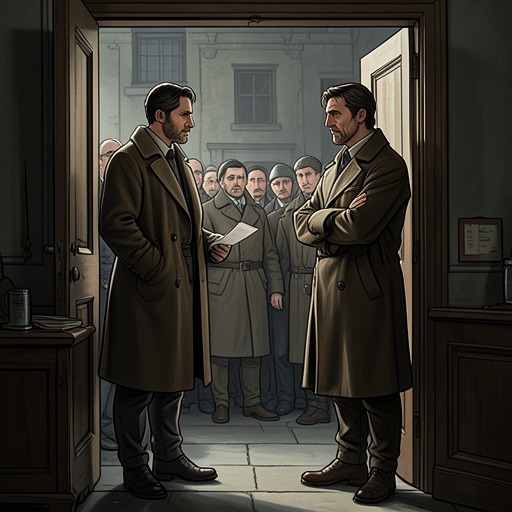
The conflict reaches a direct confrontation when a man in a white shirt arrives at Anita and Rune’s door with three young men in nurse uniforms and a document. He announces that it is time and tries to enter. Anita places herself in his way and insists that she will take care of Rune. When the man pushes past her, Ove steps in behind her and says that he will help as well.
That moment turns Ove’s earlier practical involvement into an explicit offer of support. The available scene ends with his declaration; it does not establish what follows or whether Rune is ultimately kept at home. It does establish that Anita is no longer facing the institutional action alone.
Narrative Significance
Rune’s condition is narrated through its consequences for care, household responsibility, and the possibility of forced placement, rather than through a medical account of Alzheimer’s disease. The repeated reports from Anita give the proposed removal a history: the authorities have returned, and the threat persists. Against that process, the offer to help with the radiators and Ove’s eventual promise to stand with Anita show care taking practical and personal forms. The central tension is between an official judgment about where Rune should live and Anita’s determination to remain his caregiver.