
Kido’s Search for a Self
A ManKido’s investigation of Hara intersects with anxiety about mortality, prejudice, professional duty, and the limits of his own self-understanding.
increasing Bearing strength in each event
 decreasing
Bearing strength in each eventdecreasingA Stable Life Disturbed

The Lawyer’s Unease
Ordinary life feels fragile
Kido finds himself newly attentive to family, death, and the possibility that his work and choices may not define him as securely as he assumed.
A wider threat
Earthquake trauma and rising xenophobia make his previously quiet Zainichi identity harder to treat as irrelevant.
The Wake and the Question

Fear of Disappearing
A friend dies young
After attending a lawyer friend’s wake, Kido imagines his own death and how Sota would remember him.
A changed question
His youthful question of who he is becomes the middle-aged question of whether he made the right choices.
Prejudice Becomes Personal
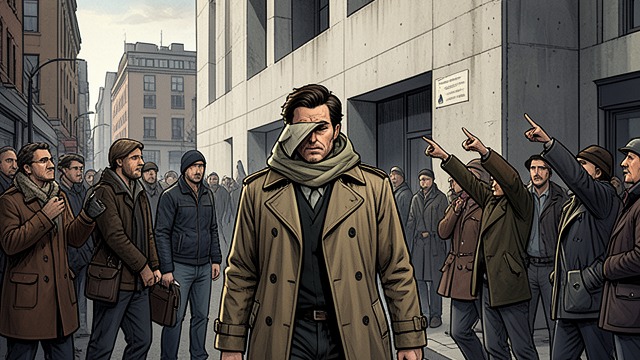
A Citizen Under Threat
Historical memory returns
Kido considers the massacre after the 1923 earthquake and fears what renewed nationalist rhetoric could mean for his family.
No single identity is enough
He resists being reduced to his ancestry even as he recognizes that others may use it to define him.
The Investigation as Shelter
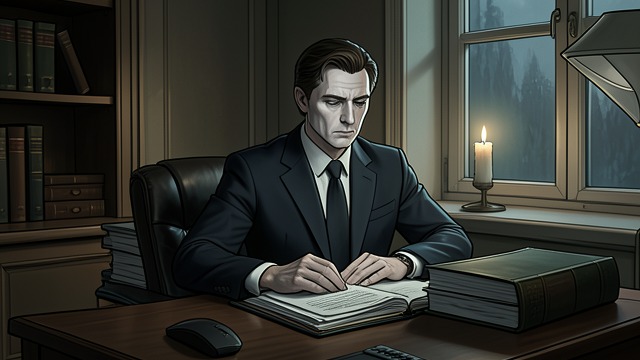
Thinking Through Hara
A safe distance
Kido devotes himself to Makoto Hara’s past because another person’s story allows him to approach pain he cannot face directly.
A risky identification
He recognizes that compassion for Hara can become idealization. Each new fact tests whether he is seeking truth or an escape.
A Belated Wish to Meet
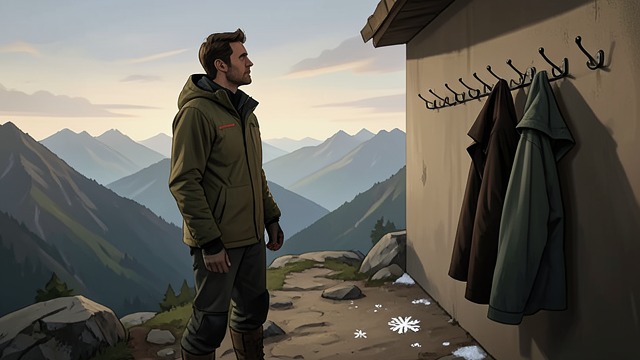
The Case Ends in Grief
A mountain visit
Kido goes to a worksite like the one where Hara died and imagines the ordinary homecoming Hara once wanted.
Recognition without possession
He realizes that his search was partly an attempt to meet a person who could not answer. Understanding Hara brings Kido closer to his own life.
After the 2011 earthquake
September 2013
After reports of anti-Korean demonstrations
2013–early 2014
April 2014
