
Kenkichi and Makoto’s Father-Son Rupture
A ManKenkichi Kobayashi’s crimes and earlier violence leave Makoto Hara struggling to separate his own body and moral worth from his father’s legacy.
increasing Bearing strength in each event
 decreasing
Bearing strength in each eventdecreasingViolence at Home
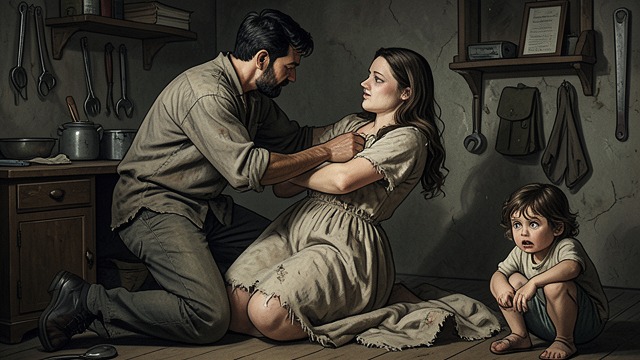
A Family Formed by Fear
An abusive household
Kenkichi Kobayashi beats his wife and child, while outsiders may still see the household as ordinary.
Harm before the crime
Hara’s later trauma did not begin with the murders alone. The violence in his home helps explain his lasting fear of his father’s blood and face.
The Murders of 1985
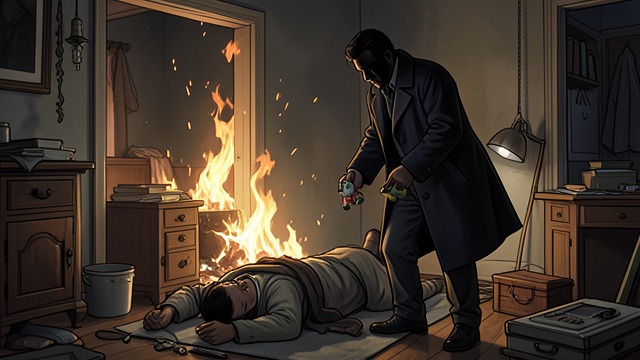
A Father Becomes a Killer
A violent robbery
Kobayashi kills a family, including Hara’s friend, then sets their home on fire.
A son made visible
The crime turns Hara into the child of a notorious murderer. Others treat him as responsible for acts he did not commit.
Letters from Prison
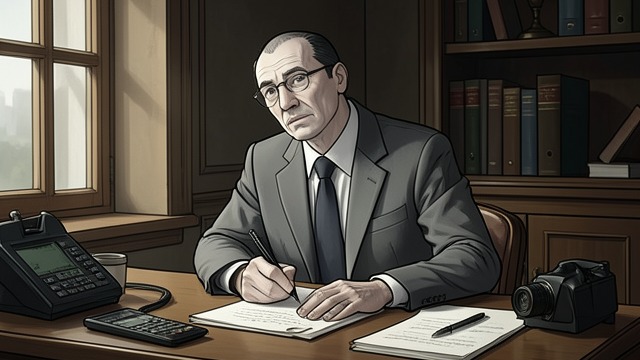
An Apology That Does Not Reach
A father writes
Kobayashi sends letters expressing guilt and asking his son to remember their happy times.
Hara rejects the appeal
Hara believes the letters center his father’s suffering rather than the victims. The father’s remorse cannot restore trust or undo what happened.
An Execution Without Reconciliation
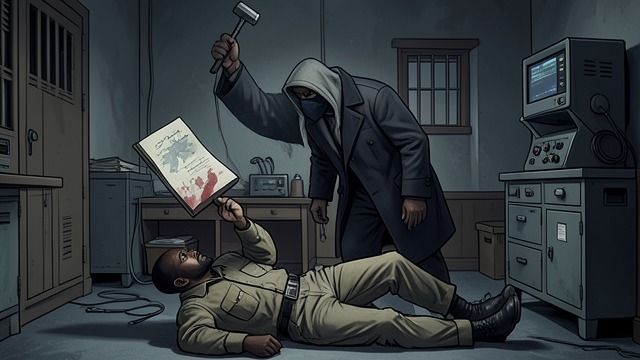
The Father Dies
State punishment
Kobayashi is executed while Hara is eighteen. Hara does not visit him in prison and never says he wishes his father had lived.
Questions remain
The death closes the possibility of a conversation but does not settle how much the father’s violence shaped the son.
A Son Fears Resemblance
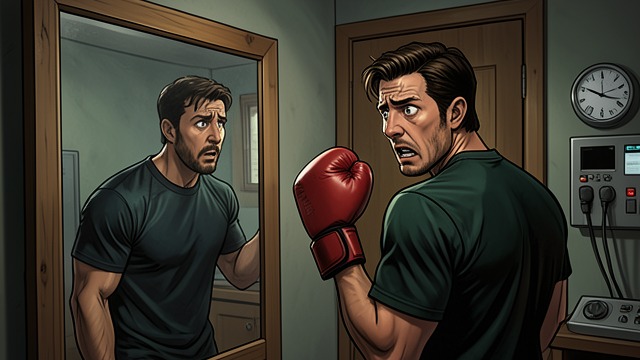
The Body as Inheritance
Fear of becoming him
Hara sees his resemblance to Kobayashi and worries that violence may emerge from within him.
An imposed identity
His attempts to master that fear through boxing and self-punishment show how the father remains present even after death.
Hara’s early childhood
Summer 1985
During Kobayashi’s imprisonment
1993
Hara’s young adulthood
