
Kido’s Conflict with His Zainichi Identity
A ManKido’s private sense of himself collides with public racism, family protection, and the question of who bears responsibility for xenophobia.
increasing Bearing strength in each event
 decreasing
Bearing strength in each eventdecreasingA Quiet Background
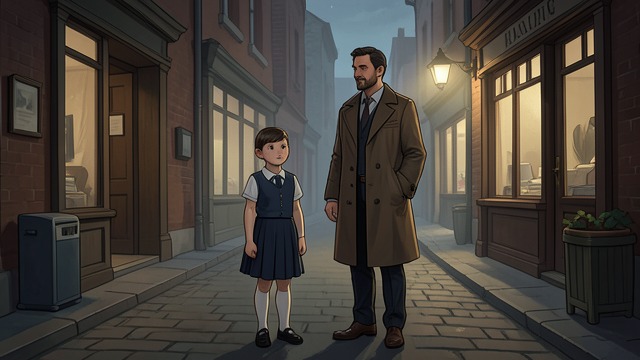
Growing Up in Kanazawa
Little direct hostility
Kido grows up largely without overt discrimination and naturalizes as a Japanese citizen in high school.
A distant inheritance
His parents’ few conversations about ethnicity leave him aware of his background but not fully connected to its history.
The Online Attack
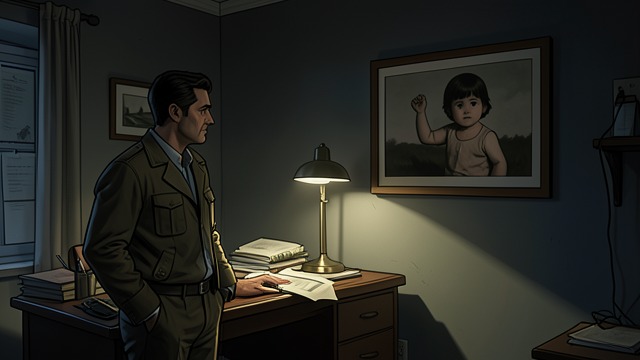
A Personal Target
A photograph exposed
Kido discovers that a childhood image and details about his family have been posted beside racist accusations and slurs.
A bodily reaction
He feels his sense of continuity draining away. The attack makes prejudice more than an abstract public issue.
History Returns to Yokohama
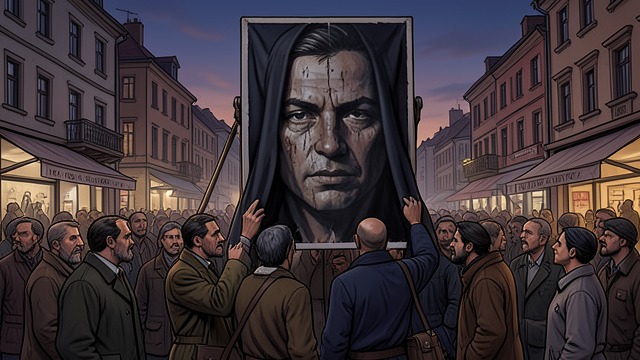
Fear in the Present
A massacre remembered
Reports of the 1923 massacre of Koreans make Kido imagine what could happen to his family during a future disaster.
The citizen’s dilemma
He feels both vulnerable as Zainichi and implicated as a Japanese citizen. Neither position cancels the other.
A Conversation at Sunny
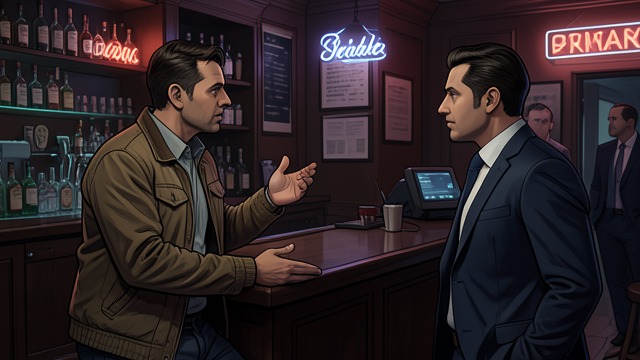
Takagi’s Prejudice
A casual remark
At Sunny, Takagi speculates about North Korean agents and makes broad claims about Koreans. Kido corrects his conflation of North and South Korea.
A guarded response
Kido feels anger but also fears Misuzu may follow the conversation into a slur. His restraint reveals how much the subject has begun to cost him.
Misuzu Takes the Demonstration
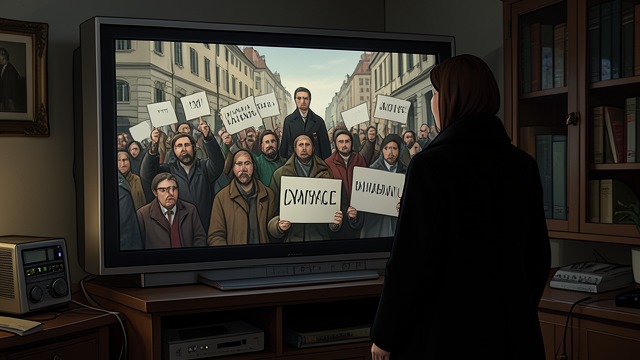
Support Becomes Visible
A promise fulfilled
Misuzu attends counter-demonstrations against hate speech after telling Kido she would go in his place.
Kido reconsiders
Seeing her on television, Kido recognizes that support is not a favor performed for him but a response to people under threat.
Kido’s childhood and adolescence
After the 2011 earthquake
2012–2013
Early 2013
Late 2013
