
Punishment and the Victims’ Absence
A ManThe death-row art exhibition forces Kido to confront the tension between defending a condemned person’s humanity and recognizing victims’ grief.
increasing Bearing strength in each event
 decreasing
Bearing strength in each eventdecreasingA Lawyer Visits the Exhibition
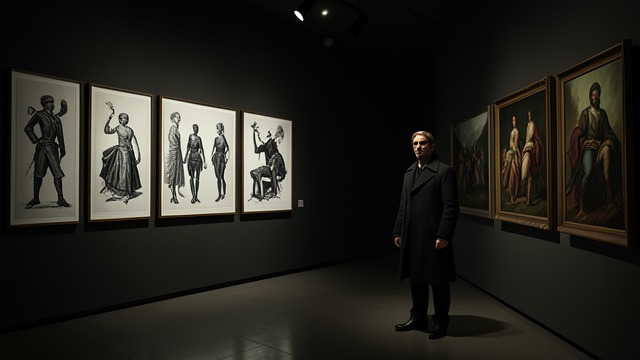
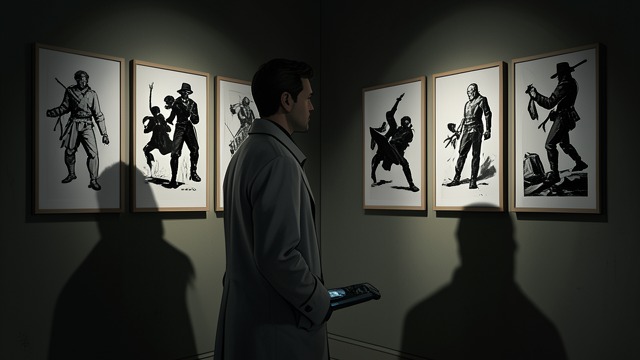
Art from Death Row
A new curiosity
Kido attends an exhibition of artwork by death-row inmates, partly because Omiura’s prison drawings have unsettled him.
Art and existence
He wonders whether the pictures advertise the continued existence of people whom the state may soon execute.
The Missing Victims
A Challenge from Kawamura
A public accusation
Shuichi Kawamura argues that the exhibition centers murderers while excluding the victims and their families.
Kido’s recognition
Kido agrees that the victims’ absence is troubling. The challenge touches his own hesitation about the abolition movement.
Rights Against Retribution
Sugino’s Legal Argument
Limits on punishment
Sugino distinguishes emotional revenge from proportional retributivism and argues that death falls outside the modern restriction of freedom.
A social question remains
His answer defends the condemned person’s rights but does not make the victims’ grief disappear. Kido sees the difficulty in both positions.
A Convict’s Landscape
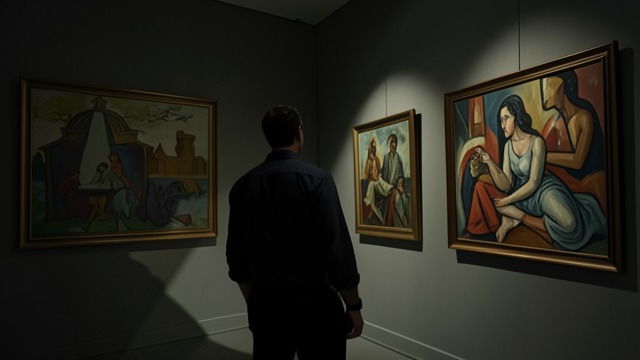
A Picture Recognized
An unexpected resemblance
Kido sees landscapes that look like X’s sketches and learns they were painted by Kenkichi Kobayashi.
The investigation shifts
The art connects Hara’s private images with the father whose crimes shaped his life and gives Kido a new lead.
State Responsibility and Inherited Harm
The Limits of Blame
A life shaped by conditions
Kido considers Kobayashi’s abusive childhood and the state’s failure to protect him without absolving his murders.
A cycle to interrupt
He questions whether executing a lawbreaker can conceal society’s failure to prevent the conditions that helped produce the crime.
Three days before Christmas 2013
During the exhibition talk
Immediately after Kawamura speaks
At the end of the exhibition
After Kido reconstructs Hara’s history
