
Names That Make a Person
A ManThe novel explores how a name can be imposed, borrowed, loved, and eventually revised without fully containing the person who bears it.
increasing Bearing strength in each event
 decreasing
Bearing strength in each eventdecreasingA Name Used in Affection
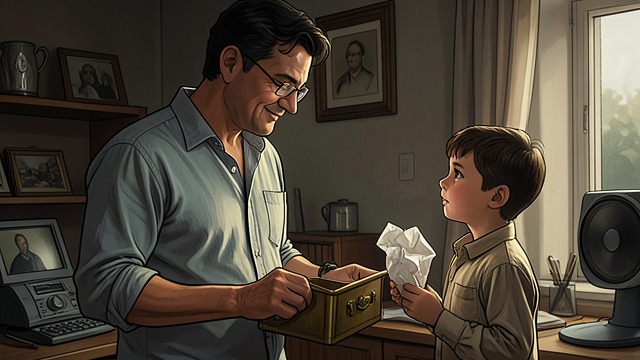
Calling Him Daisuké-kun
A private form of address
Rié uses an affectionate diminutive for the man she believes to be Daisuké, fitting the innocence she sees in his drawings.
A hidden misrecognition
She gives love to a name belonging to someone else, while the man receiving it may both cherish and fear the deception.
A Widow Without a Name
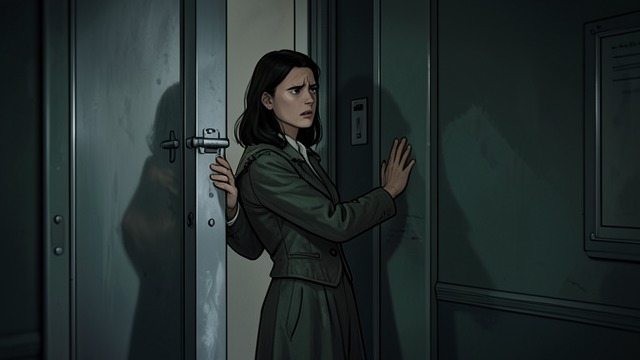
The Dead Man Cannot Be Called
The problem of address
Rié cannot comfortably call her husband X and cannot keep calling him Daisuké once she learns the name is false.
Isolation deepens
She worries that the dead whose names are unknown sink further into solitude because no one can call to them.
A Child Challenges the Surname
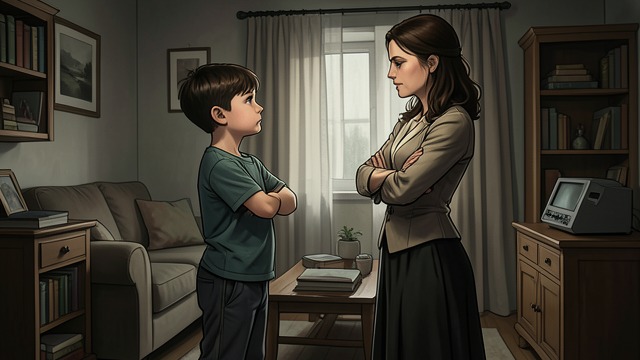
Taniguchi as Family
Yuto’s objection
Yuto tells Rié that the Taniguchi name is part of his lived relationship with his father, even if it began as a false identity.
Meaning outlasts records
The boy’s attachment reveals that names can become family through daily care, not only through law or biology.
Makoto Returns to the Story
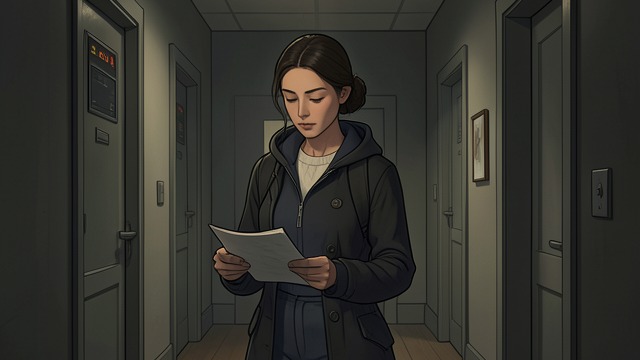
A Proper Noun Restored
The true name appears
Rié learns that her husband was Makoto Hara, the son of Kenkichi Kobayashi.
Recognition takes time
Knowing the name does not instantly undo her estrangement. She must decide whether and how to call him by it.
Several Pasts in One Life
No Single Name Suffices
Identities accumulate
Hara lived as himself, as Sonézaki, and as Daisuké. Each identity carried different relationships and expectations.
A person exceeds the label
The story resists choosing one name as the complete answer. The life that mattered to Rié included both the hidden past and the years they shared.
During Rié and X’s marriage
After X’s death
Fall 2013
After Kido’s investigation
Near the ending
