“A disgusting mascot suit”
A Man“A disgusting mascot suit” is the image used to explain Makoto Hara’s experience of being trapped in a body that does not feel like his own. The metaphor gathers together his estrangement from his father’s likeness, the bullying that shaped his fears, and his attempt to manage those fears through boxing.
The Metaphor and Makoto’s Body
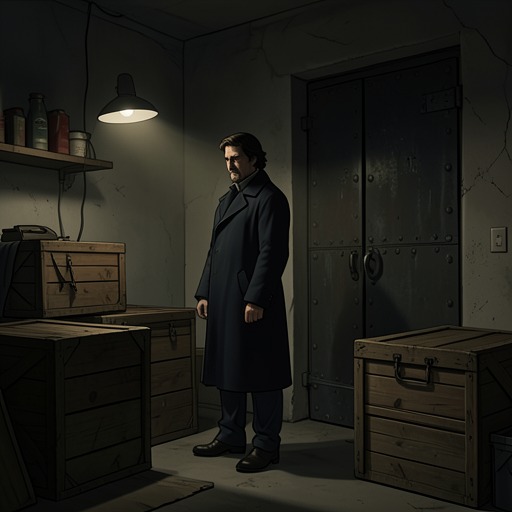
Kido hears the image in an explanation that compares Makoto’s experience to a mismatch between body and mind. The comparison is not presented as a diagnosis; it is a way of describing Makoto’s felt alienation from his body. The suit suggests an imposed exterior that cannot simply be taken off, making the body he inhabits seem less like a refuge than a constraint.
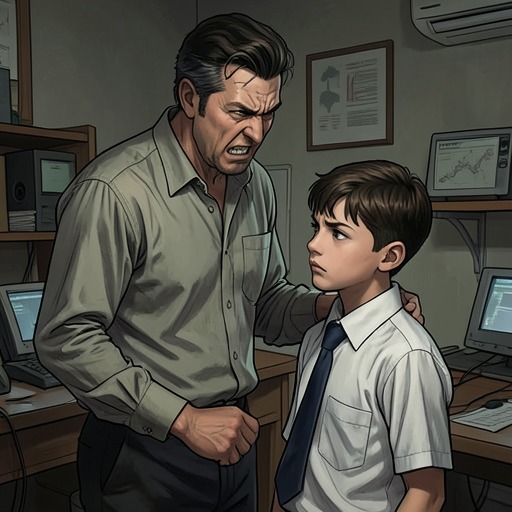
That sense of estrangement is tied to Makoto’s resemblance to his father, Kenkichi Kobayashi. Others could see the likeness between them, but for Makoto, being told he looked like his father carried a much heavier meaning: it implicated him in the identity and crimes associated with his parent. The metaphor therefore refers not only to bodily discomfort but also to the burden of being read through a family resemblance he could not escape.
Fear, Bullying, and Boxing
Makoto feared that his body might act beyond his control and that he might become violent. Kido learns that bullies had reinforced this fear by telling him that he would lose control. Makoto’s anxiety about what he might do was thus entangled with other people’s treatment of him, rather than arising in isolation.
Boxing became one of Makoto’s responses. He believed that training and taking punches could help him master the violent impulses he feared; the discipline offered a way to confront his body through exertion rather than regard it as wholly beyond his control. His decision to box also had another context: he had wanted to escape the outsider status attached to his background. When a chance to shine arrived, however, he feared the reaction to who he was and felt indebted to a friend who had been killed.
Meaning and Limits of the Image
The conversation makes the metaphor legible through specific pressures: the father’s likeness, the stigma attached to Makoto’s background, repeated bullying, and his fear of his own potential for violence. The suit image compresses these pressures into an account of imposed embodiment, while the references to boxing show Makoto trying to live with that experience through a practice he hoped would give him control.
The metaphor is an explanation offered in conversation, not a substitute for the full complexity of Makoto’s life. Its force lies in showing how bodily self-alienation, social judgment, and fear become knotted together in his understanding of himself.