Kosuge
A ManKosuge, the president of a neighborhood boxing club, is one of the people who remembers Makoto Hara before he became a husband and father living under another man’s identity. His recollections trace Hara’s arrival at the club in the spring of 1995, his rise as a boxer, and the shame and uncertainty that followed him because of his father’s crimes. Kosuge offers support, but his advice cannot resolve the conflict at the heart of Hara’s life: how to go on living when personal ambition feels inseparable from inherited guilt.
Identity and the Club
Kosuge is about fifty when Kido visits the club to ask about Hara. The young people training there call out “President!” as Kido enters; Kosuge then comes out of the office in a black training suit. He had been corresponding with Kido by email and had responded promptly when asked about Hara, saying that he remembered him well and was shocked to hear of his death. Once Kido explained that Hara’s widow wanted to know what kind of person her husband had been, Kosuge agreed to contact Hara’s former practice companions.
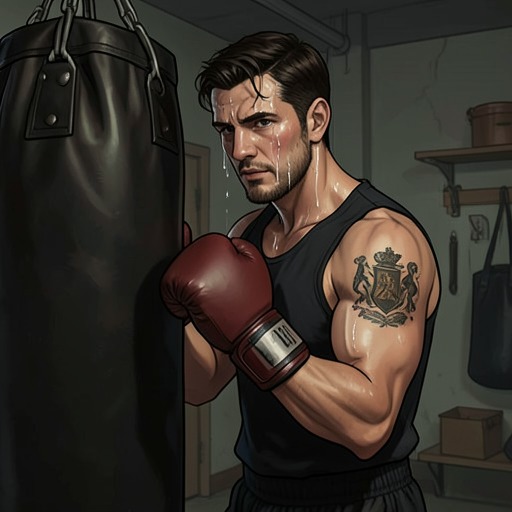
The club gives Kosuge’s memories a concrete setting. It occupies a former meat-packing plant, where black-and-red punching bags hang beneath a high ceiling and techno music is punctuated by a buzzer every three minutes. Fight posters cover the walls; in one section, championship belts earned by former trainees sit beside a memorial photograph of the club’s founder and the founder’s advice and daily training protocol. This is the disciplined, public world in which Kosuge knew Hara: a place organized around training, performance, and the hope that effort can shape a life.
Hara’s Arrival and Ambition
Kosuge dates Hara’s arrival at the club to the spring of 1995, placing it after the Kobe earthquake and the Aum terrorist attack. He remembers the timing clearly. When Kido tells him that Hara later worked in forestry and died in a logging-site accident, Kosuge and Yanagisawa listen attentively; their reactions suggest they already knew something of Hara’s difficult youth.
As Hara approached his first professional-level fight, he came to Kosuge for advice about choosing a ring name. Kosuge urged him to pick something outrageous and memorable, reasoning that boxing needed fighters who could draw a crowd. Hara rejected the suggestion. He wanted an ordinary name that would let him blend in. At the time, he did not explain why. Kosuge learned the reason only later, after Hara became the rookie king of East Japan. The contrast between Kosuge’s advice—to distinguish himself—and Hara’s wish to disappear gives the otherwise practical question of promotion a deeper significance: even as he pursued recognition in the ring, Hara was drawn toward anonymity.
The Burden Hara Carried
Hara eventually told Kosuge that his father had been a murderer. Kosuge tried to reassure him by challenging the idea that a murderer’s child must share his father’s guilt. But Hara had been bullied, and Kosuge understood that prolonged violence could distort a person’s sense of agency: being beaten day after day might lead someone to imagine himself as the one doing the beating, or to accept powerlessness as inevitable. His recollection presents Hara’s distress not as an abstract moral dilemma but as something shaped by the experience of being made vulnerable and marked by another person’s actions.
Kosuge believed that Hara was putting himself through severe hardship to atone for his father’s sins. He told him how irrational that seemed: no amount of suffering could bring the victims back to life, and displaying pain to other people might resemble the empty moral performance of his father’s letters. Yet Kosuge also recognized that Hara did not mean his suffering that way. His interpretation was imperfect, but not indifferent. He was worried about Hara, and angry that after they had come so far together, Hara might withdraw at the last moment.
Advice and Limits
In the end, Kosuge advised Hara to speak with the surviving family of one of his father’s victims. If their family could accept the life Hara chose to lead, Kosuge reasoned, Hara could continue without being governed by what everyone else might say. The advice shifts the question from public judgment to the people most directly connected to the crime. It also reveals how Kosuge understood the immediate problem: Hara needed a way to proceed with his life and hold his head high.
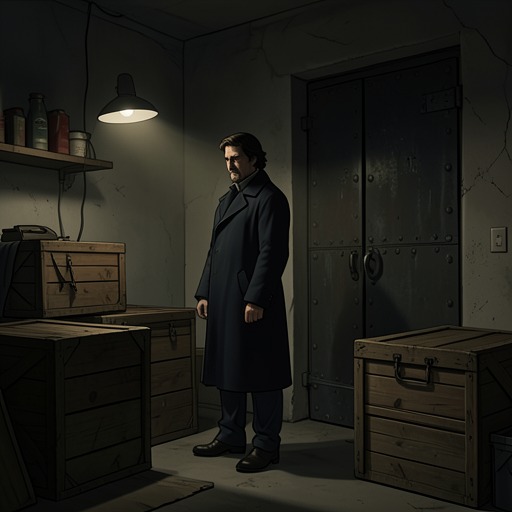
Kido knows that the murdered construction-company president had surviving parents and a younger brother, and Kosuge’s recollection therefore points toward a concrete encounter with the consequences of the crime. But the advice does not make inherited guilt disappear, nor does it give Kosuge access to Hara’s inner life. He can offer a route forward, grounded in concern and practical judgment; he cannot decide for Hara what the father’s violence means or what kind of life will make it bearable. Through Kosuge, the club becomes more than the place where Hara trained: it is where his ambition, his wish to blend in, and the weight of his family history came into view together.