
Jules Pascin’s Bright Night
A Moveable FeastThis flow traces Hemingway’s remembered encounter with Jules Pascin from café vitality to the later knowledge of Pascin’s suicide.
increasing Bearing strength in each event
 decreasing
Bearing strength in each eventdecreasingA Day of Work

A Day of Work
Leaving the Saw Mill
Ernest Hemingway walks out after a productive day and passes the familiar cafés of Montparnasse. He feels virtuous for working instead of going to the races.
The Evening Opens
The city’s lights and moving crowds offer a second social world after the solitary morning. The transition prepares Hemingway to encounter a painter whose life is organized around a different kind of work.
The Good and Bad Sisters
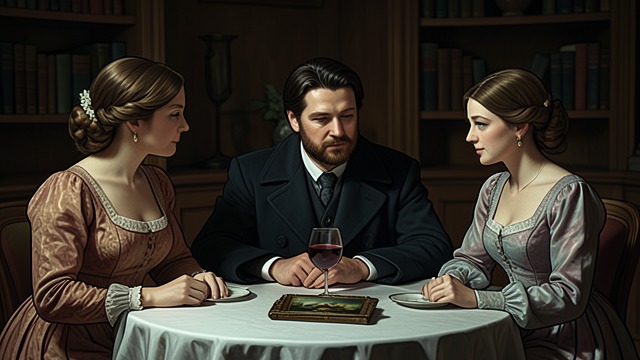
The Good and Bad Sisters
A Table with Pascin
Jules Pascin sits with two sisters who work as models and offers drinks. His conversation is provocative, comic, and deliberately theatrical.
A Painter’s Company
Hemingway is drawn into the group but remains an observer, aware of the tensions beneath the jokes. Pascin’s charm depends on performance as much as artistic reputation.
The Painter’s Restlessness
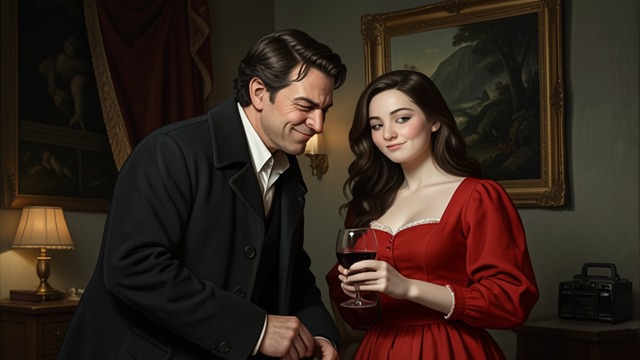
The Painter’s Restlessness
Work and Desire
Pascin jokes about painting and sex, while the dark-haired model answers his provocations with her own sharpness. Their exchange blends flirtation, irritation, and familiarity.
Comedy as Cover
Hemingway senses a liveliness that is not the same as ease. Pascin’s jokes make the encounter memorable, but they do not explain the private conditions of his later fate.
A Night Remembered
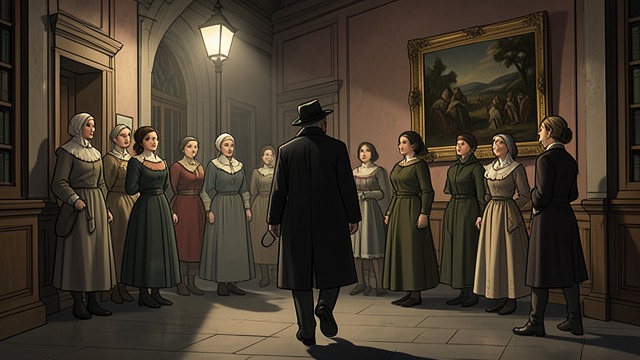
A Night Remembered
A Vivid Departure
Pascin leaves with the sisters, still joking and wearing his hat at the back of his head. Hemingway remembers him as a beautiful painter made vivid by the ordinary scene.
Memory Before Knowledge
The recollection preserves the man as he appeared that evening rather than reducing him to the ending Hemingway later learns. A living moment resists retrospective simplification.
The Later Death
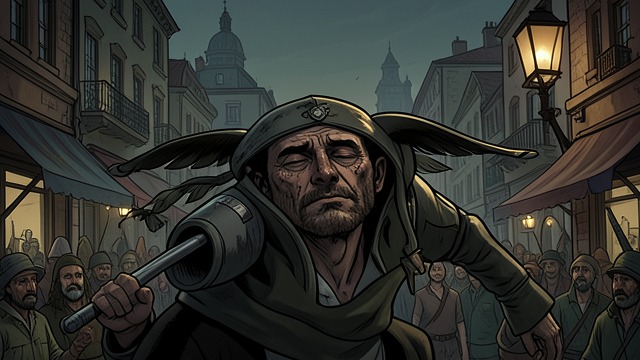
The Later Death
Knowledge Reframes the Scene
Ernest Hemingway later knows that Jules Pascin died by suicide. That knowledge casts a shadow over the café memory without erasing its humor or companionship.
The Joke and the Person
Hemingway reflects that people who joke in life may have their darker impulses concealed beneath better soil. The thought is an uneasy conjecture, not a claim that one evening revealed Pascin’s fate.
on a spring evening after Hemingway finishes writing
later that evening at Le Dôme
during the conversation about the next day’s painting
after Pascin leaves for dinner with the models
in Hemingway’s later recollection of Pascin
