
Omission and the Reader’s Work
A Moveable FeastThis flow traces how deliberate omission lets Hemingway make absence carry narrative force.
increasing Bearing strength in each event
 decreasing
Bearing strength in each eventdecreasingThe Unacceptable Story
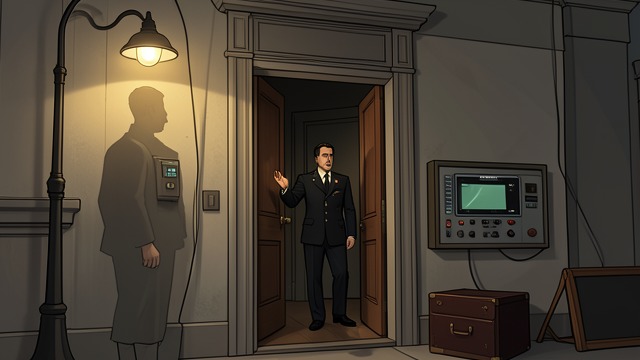
The Unacceptable Story
Language at Issue
Gertrude Stein objects to “Up in Michigan,” while Ernest Hemingway argues that the story needs the words people would actually use. Their dispute concerns the conditions under which realism may be published.
The Writer’s Choice
Hemingway refuses to treat acceptability as the highest standard. The disagreement foreshadows his willingness to leave difficult material unresolved rather than soften it for approval.
A Suicide Left Unwritten
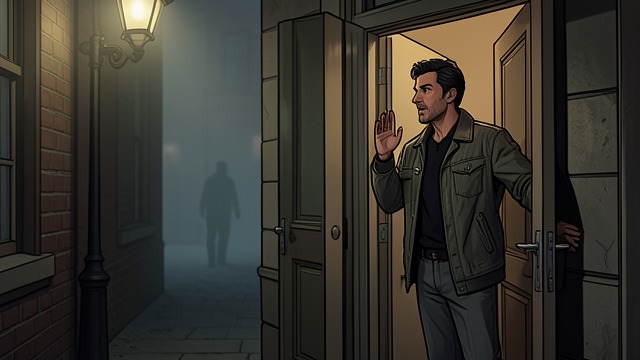
A Suicide Left Unwritten
The Real Ending
In the story’s underlying events, an old man hangs himself, but Ernest Hemingway leaves that outcome out of the written conclusion. The omission is deliberate, not an accident of memory.
Meaning Through Absence
Hemingway believes readers may feel more than they can explicitly identify. What is withheld becomes part of the story’s structure.
The Story Beyond the Page
The Story Beyond the Page
A Reader’s Inference
The omitted event remains available to a reader who notices the story’s pressure and gaps. Hemingway trusts that what is not stated can still shape the emotional effect.
Precision Rather Than Vagueness
Omission works only when the writer knows what has been removed. Silence is not a substitute for knowledge; it is a way of organizing knowledge.
Making Rather Than Describing

Making Rather Than Describing
A Change in Method
Ernest Hemingway tries to make scenes and experiences directly rather than explain them from outside. The shift makes writing slower and more difficult.
Concrete Construction
The reader encounters a built world through action and detail. The method asks the writer to control what is visible and what must be inferred.
A Novel Rebuilt

A Novel Rebuilt
Revision as Construction
Ernest Hemingway rewrites the first draft of a novel into a sustained work. The process requires him to remove facility and reconsider the structure rather than rely on initial speed.
Form Through Restraint
The finished book depends on what is selected, shaped, and withheld. Omission becomes part of a wider craft of making the reader participate.
during Gertrude Stein’s visit to Hemingway’s flat
after Hemingway writes “Out of Season”
during the later reflection on omission
during Hemingway’s first attempts at longer fiction
winter of 1925–1926 in Schruns
