
Poverty, Appetite, and Self-Control
A Moveable FeastThis flow reframes poverty as a daily conflict among physical hunger, artistic ambition, self-reproach, and the pleasure of eating.
increasing Bearing strength in each event
 decreasing
Bearing strength in each eventdecreasingA Missed Lunch

A Missed Lunch
Hunger in the City
Ernest Hemingway walks through Paris without eating while bakeries and restaurant tables make food impossible to ignore. Poverty turns ordinary streets into a sequence of appetites.
The Writer’s Choice
He knows that the deprivation partly follows from his decision to stop journalism and pursue fiction. Hunger is therefore both circumstance and the consequence of a chosen risk.
A Museum on an Empty Stomach

A Museum on an Empty Stomach
Sharpened Perception
Ernest Hemingway finds that the paintings at the Musée du Luxembourg look clearer when he is hungry. He wonders whether Cézanne had forgotten to eat while painting.
Insight and Caution
He recognizes the thought as unsound but illuminating. Hunger may sharpen perception, yet it remains a bodily hardship rather than a reliable artistic method.
Money in an Envelope
Money in an Envelope
Financial Anxiety Spoken
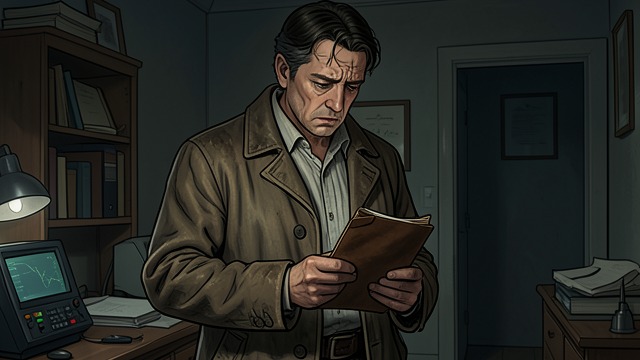
Ernest Hemingway complains to Sylvia Beach that stories are not selling and that little money is coming in. She reminds him that the work itself is the essential point and notices a payment waiting for him.
Shame After Confession
Outside, Hemingway berates himself for complaining instead of buying bread or asking for help. His self-reproach reveals how pride can make poverty more punishing.
The Meal at Lipp’s

The Meal at Lipp’s
Appetite Restored
Ernest Hemingway goes to Lipp’s, orders beer, potatoes, sausage, and bread, and eats slowly. The sensory detail turns a necessary meal into a return to physical pleasure.
Relief Without Denial
Eating eases his worry, but does not solve the uncertainty of publication. The meal balances the romantic idea of hunger with the simple importance of nourishment.
Hunger as Discipline

Hunger as Discipline
A Useful but Limited Lesson
Ernest Hemingway calls hunger a discipline because it teaches him to notice the world and manage his attention. The discipline is useful only when he keeps it from becoming self-indulgent hunger-thinking.
Work Must Continue
He returns to the question of what he knows best and begins writing again. The episode turns deprivation into resolve without claiming that suffering alone creates good art.
during the months after Hemingway leaves journalism
on an afternoon walk through the Jardin du Luxembourg
during a visit to Shakespeare and Company
immediately after Hemingway leaves the bookshop
during Hemingway’s reflection after the meal
