
Paris as a Moveable Feast
A Moveable FeastThis flow develops Paris from a physical setting into a changing inheritance carried through memory, appetite, work, and return.
increasing Bearing strength in each event
 decreasing
Bearing strength in each eventdecreasingA City Claimed in a Café
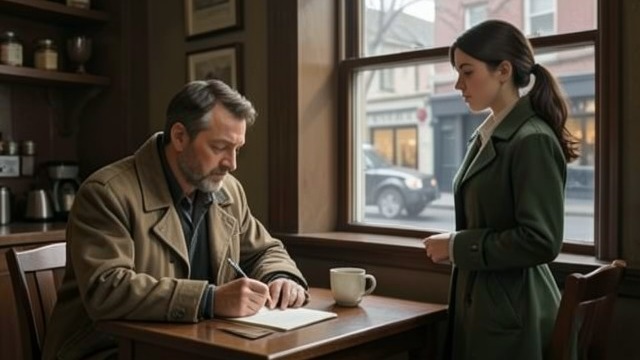
A City Claimed in a Café
A Stranger Observed
Ernest Hemingway writes in a café while a beautiful young woman waits near the window. He briefly imagines that she belongs to the story and that Paris belongs to him.
Possession Through Attention
The claim is imaginative rather than literal: writing makes the city available to him. The notebook and pencil provide a temporary home in a public place.
Memory as Appetite
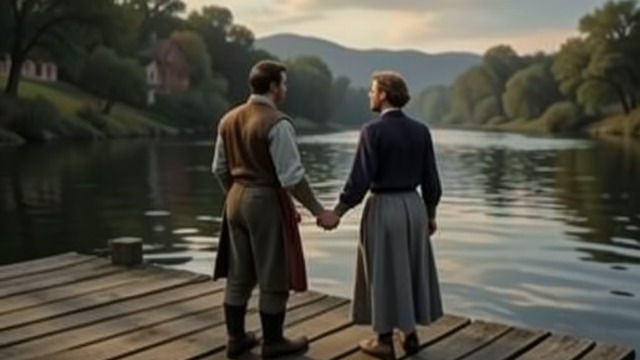
Memory as Appetite
Recalling Shared Journeys
Ernest Hemingway and Hadley Richardson remember trips, meals, mountains, and their friend Chink while looking at the river. The past returns through concrete details rather than a formal chronology.
Hunger Without a Meal
Hadley says that memory is hunger. The phrase describes desire for a time that cannot be restored even when the present is pleasant.
Return Is Not Restoration
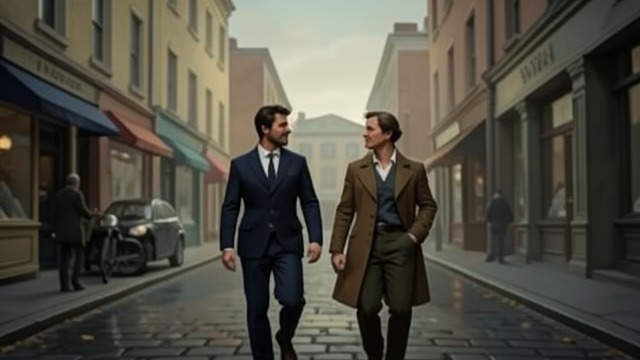
Return Is Not Restoration
Paris Remains
Ernest Hemingway and Hadley Richardson return to Paris, where the familiar city continues to offer work, cafés, and streets. Its physical continuity cannot undo changes in their relationship.
A Different City for Each Life
The same place is never experienced in exactly the same way twice. Returning means carrying a changed self into an enduring setting.
A Feast Carried Elsewhere
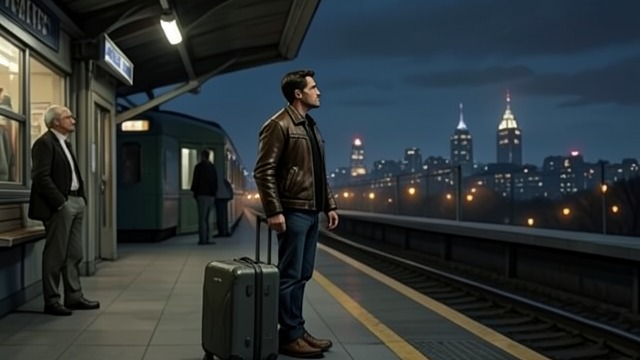
A Feast Carried Elsewhere
Youth Remains Portable
Ernest Hemingway frames Paris as a feast that stays with those who lived there young. The city’s meaning can travel beyond its streets and beyond the period when it was first experienced.
Memory’s Unequal Gift
The feast is not a guarantee of happiness or a return to the past. It is an inheritance shaped by each person’s remembered life.
No Final Ending
No Final Ending
An Open City
Ernest Hemingway says there is never any ending to Paris because each person carries a different memory of it. The city persists through change, distance, and difficulty.
Worth the Return
He concludes that Paris is worth the effort of reaching and living in. The statement honors the early happiness without pretending the later losses did not occur.
during a writing session at Place Saint-Michel
during a conversation on the bridge near the Louvre
after the mountain period ends
in Hemingway’s dedication and retrospective frame
in the book’s final paragraph
