
The Seasons of Paris
A Moveable FeastThis flow traces how weather and seasonal change organize the book’s movement between work, memory, pleasure, and loss.
increasing Bearing strength in each event
 decreasing
Bearing strength in each eventdecreasingThe First Cold Rains
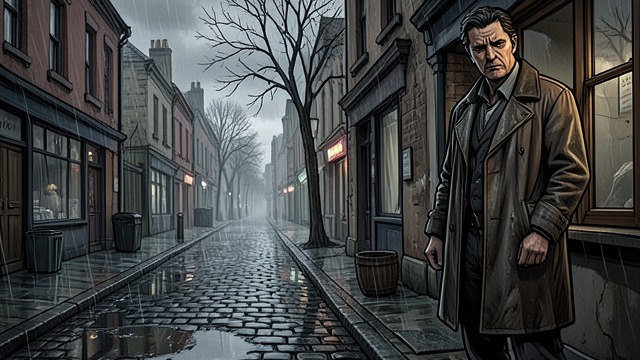
The First Cold Rains
A City Darkened
Rain strips leaves from the trees and closes the familiar shopfronts. Ernest Hemingway feels the season alter not just the streets but the scale of ordinary decisions, including whether he can afford to heat his workroom.
Weather and Mood
The city’s beauty does not disappear, but winter makes poverty and isolation more immediate. The weather supplies an emotional pressure that no abstract account could convey.
Winter Accommodation
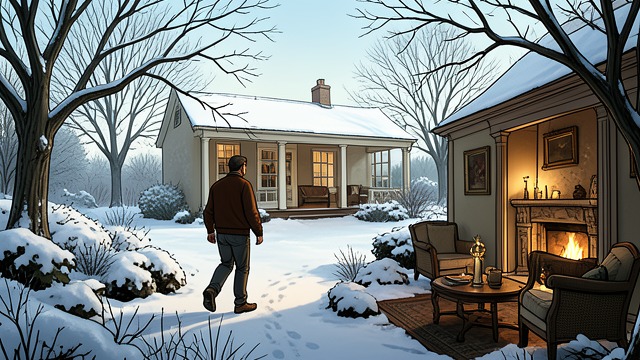
Winter Accommodation
Learning the Bare Trees
The return brings clear cold, good fuel, and a city adjusted to winter. Ernest Hemingway walks through gardens where leafless trees become sculpture against the light.
A Workable Season
Once reconciled to the weather, he finds warmth in his room and steadiness in his routine. Winter becomes a condition he can use rather than merely endure.
The False Spring
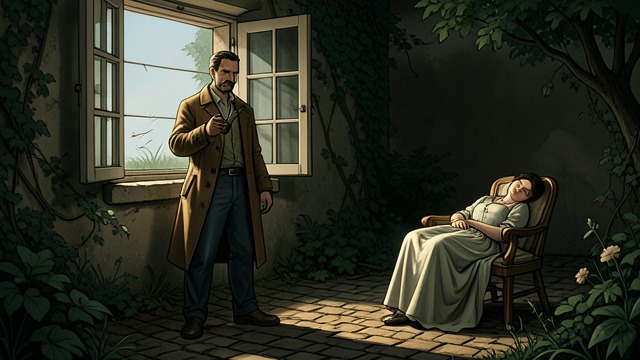
The False Spring
Signs of Renewal
An open window, drying cobbles, and a goatherd’s pipes make the morning feel newly generous. Ernest Hemingway works early while Hadley Richardson sleeps, then considers a day at the races.
Happiness Under Pressure
The spring seems to offer unbounded possibility, but money and human choices still limit it. Its false promise gives the chapter a tension between seasonal renewal and the fragility of happiness.
The Spring That Almost Fails
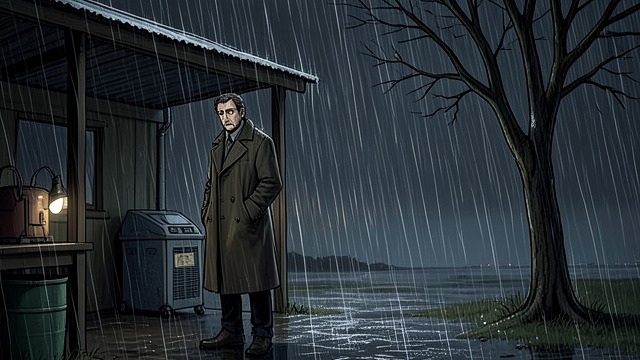
The Spring That Almost Fails
A Reversed Season
Heavy rain beats back the expected warmth, making it seem possible that a season will be lost. Ernest Hemingway experiences the delay as a violation of nature’s ordinary promises.
Renewal’s Precariousness
The eventual spring feels precious because it has nearly failed. Seasonal change becomes an image for how easily life and hope can be interrupted.
The Mountain Winter
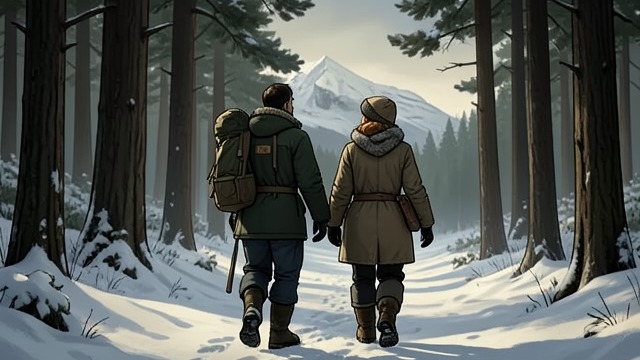
The Mountain Winter
Climbing Toward Snow
In Schruns, Ernest Hemingway and Hadley Richardson climb through valleys and forests toward high Alpine country. Physical effort, unfamiliar terrain, and shared routines give the winter a sense of earned freedom.
A Shadow Ahead
Avalanches and the dangers of the mountains are never entirely absent, while new relationships begin to unsettle the household. The season holds both exhilaration and the approaching end of an innocent period.
at the arrival of winter in Paris
after returning from the mountains to Paris
one spring morning in the Paris quarter
after weeks of cold rain in Paris
winter of 1925–1926 in Schruns
