Lech Avalanche Disaster
A Moveable FeastThe Lech Avalanche Disaster was a fatal winter accident in the Arlberg that transformed skiing in the surrounding area from recreation into a close study of mountain hazards. Walther Lent had warned a group of German holidaymakers not to come, but they arrived anyway. When he eventually took them across a slope he considered the safest available, the hillside gave way as they followed. Thirteen people were dug out; nine had died.
Conditions and Warnings
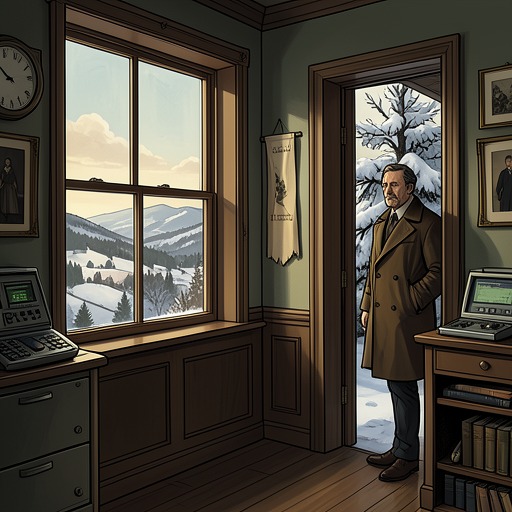
The disaster came in a winter when snow arrived late. The mountain slopes had remained warm, and then a great snowfall laid deep, powdery snow over them without binding it securely to the ground. The account presents the conditions as exceptionally dangerous for skiing. Walther Lent, who knew the area, sent word to the Berliners not to come, but the visitors were on holiday and did not understand the avalanche risk.
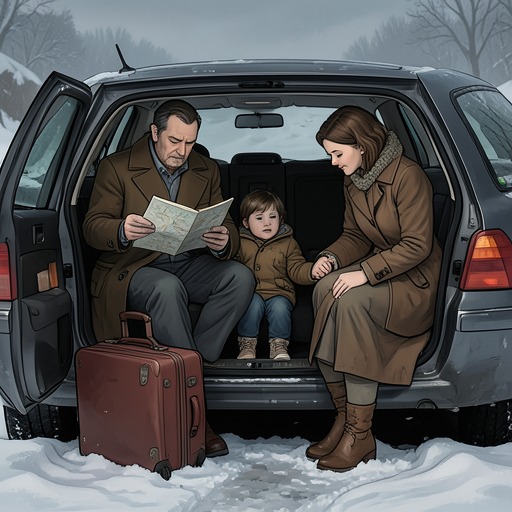
The party reached Lech despite the warning. Walther Lent refused to take them out, but they said they would ski on their own, and one man called him a coward. He finally led them onto the safest slope he could find. He crossed first; when the group followed, the entire hillside released. The choice of route could not make the unstable snow safe.
The Avalanche and Its Victims
The avalanche buried the party. Rescuers dug out thirteen people, nine of them dead. One man was found last. He had followed the taught practice of making an air space in front of his face, but he had not survived by the time the search reached him. The account also records that the local priest refused him burial in consecrated ground because there was no proof that he was Catholic, adding a religious consequence to the already stark aftermath.
Aftermath and Significance
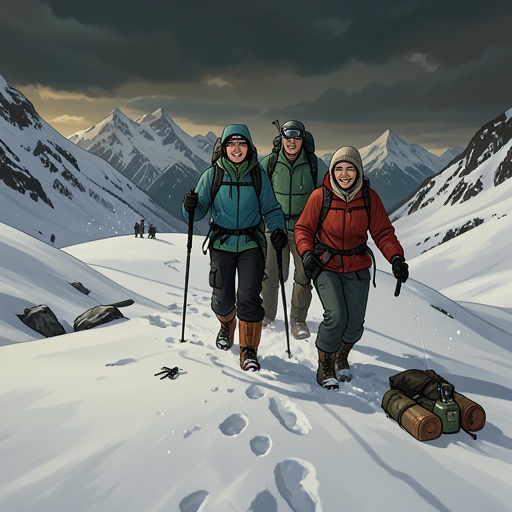
The local Alpine ski school had struggled before the disaster; afterward, those involved were almost its only members. The survivors became serious students of avalanches, learning about different kinds, how to avoid them, and what to do if caught. The danger was no longer an abstraction or a remote feature of the mountains: it had shaped the school’s membership and the practical knowledge its remaining skiers sought.
The winter also entered the narrator’s account of work and mountain life. Much of the writing he did that year took place during avalanche season. In retrospect, the episode marks a sharp boundary between the pleasures and disciplines of skiing and the lethal conditions that could suddenly overturn them.