
Keiko and Niki’s Unequal Sisterhood
A Pale View of HillsNiki’s memories of Keiko move between distance, guilt, and a recognition of how little she understood her sister’s life.
increasing Bearing strength in each event
 decreasing
Bearing strength in each eventdecreasingA Sister Not Remembered
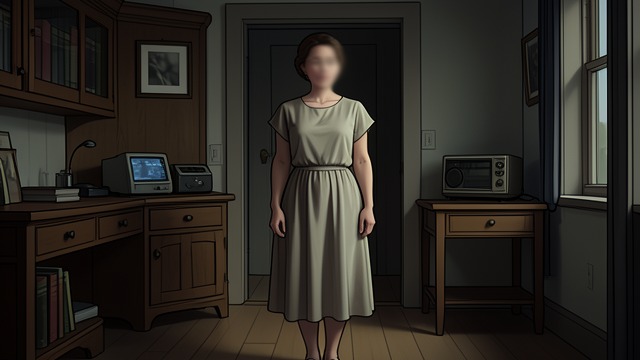
Distance After Death
A painful absence
Niki says she nearly attended Keiko’s funeral, but did not know how to explain her feelings to other people. She remembers Keiko chiefly as someone who made her miserable and admits that she can no longer picture her face.
A bond left undefined
Her words suggest a relationship with little intimacy, yet her sadness at the death is genuine. The distance between the sisters complicates any simple distinction between indifference and grief.
The Closed Door Remembered
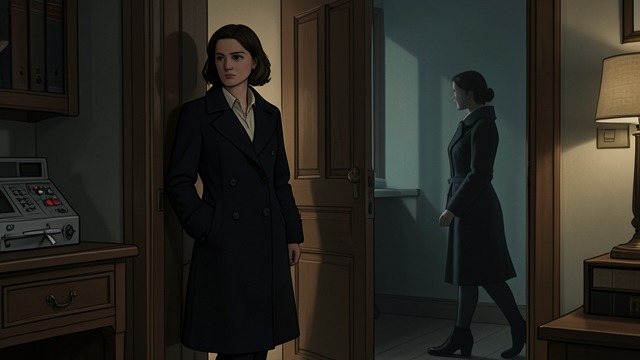
Life Behind the Door
A household divided
Keiko shuts herself away in her bedroom, forbidding family members to enter and emerging mainly to collect food. Niki and the rest of the household grow used to a sister whose private life remains inaccessible.
Conflict as contact
When Keiko does come downstairs, arguments often follow. The family’s accommodation of her isolation helps explain why Niki later remembers hostility more clearly than shared affection.
The Funeral Question
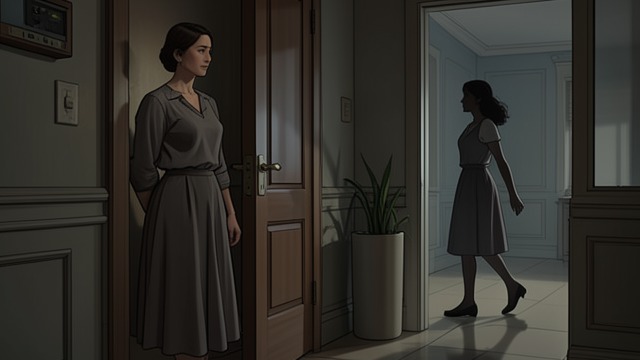
A Missing Presence
Family history tested
Niki asks whether Keiko attended her father’s funeral, although she knows the answer. Etsuko asks whether Niki stayed away from Keiko’s funeral in return, and rebukes her for treating grief like a score to settle.
A sister’s account
Niki insists Keiko was never part of her or her father’s life. Her defense may be honest, but it also protects her from explaining why the death continues to trouble her.
The Sleepless Daughter
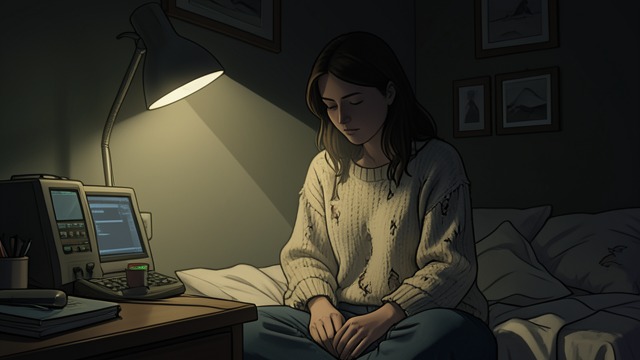
Uneasy Reflection
A late concern
Niki says that her father should have looked after Keiko more. She calls the neglect unfair, even though she earlier described her sister as absent from their lives.
Guilt without certainty
The concern does not resolve what Niki knew or what she might have done differently. Her sleeplessness and troubled dreams suggest that her distance from Keiko has not protected her from feeling implicated.
A Face in the Dream
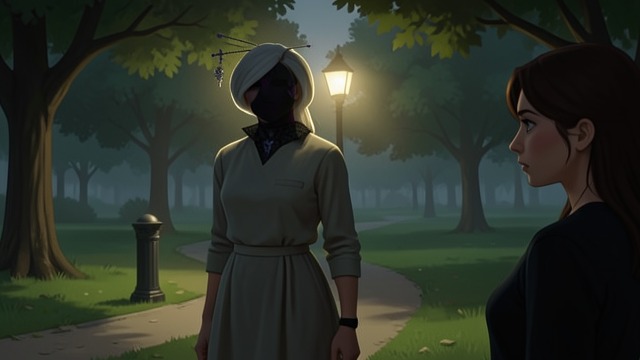
An Unaccepted Identification
Niki’s interpretation
Niki says the little girl in Etsuko’s recurring dream must be Keiko. She tries to connect the image of a child in the park with the dead sister whose life neither of them can fully discuss.
Etsuko’s refusal
Etsuko denies that the dream concerns Keiko and describes the girl as someone she knew long ago. The exchange leaves the sisters’ shared history present but unnamed.
during Niki’s conversation with Etsuko in April
in Niki’s childhood, before Keiko leaves home
during the third day of Niki’s visit
the final morning of Niki’s visit
near the end of the visit, after Etsuko recounts her dream
