
The Old Schoolmaster’s Reckoning
A Pale View of HillsA dispute over Shigeo Matsuda’s article tests whether Seiji Ogata can acknowledge the harm of the education system he once defended.
increasing Bearing strength in each event
 decreasing
Bearing strength in each eventdecreasingThe Article Discovered
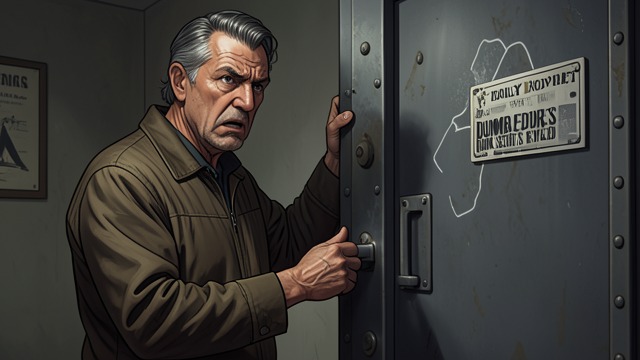
A Challenge in Print
A former pupil’s criticism
Seiji Ogata tells Jiro and Etsuko that Shigeo Matsuda has written an article condemning the old educational order. The piece suggests that men like Seiji Ogata and Dr. Endo should have been dismissed after the war.
A demand for loyalty
Seiji Ogata calls the criticism disloyal and asks Jiro to contact his old friend. His response turns a public debate into a test of personal obligation.
The Unsent Letter
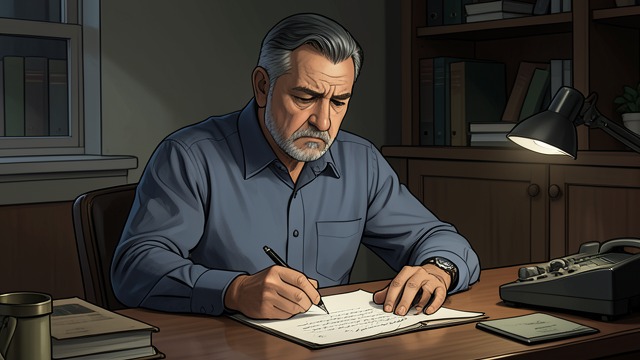
Delay as Strategy
Promises without action
Jiro says he will write to Shigeo Matsuda but repeatedly cites his workload. Seiji Ogata returns to the subject, asking whether the letter has been sent and what response it might provoke.
Avoiding confrontation
Jiro does not openly refuse his father, but his delay keeps the conflict unresolved. Etsuko understands that he hopes the matter will fade after Seiji Ogata returns home.
A Face-to-Face Encounter
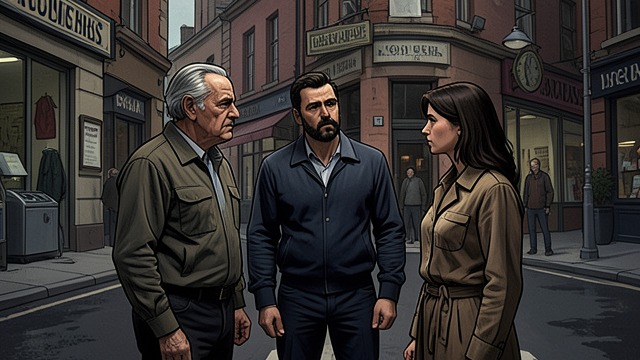
The Conversation on the Street
An accidental meeting
Seiji Ogata and Etsuko encounter Shigeo Matsuda outside his home in Nakagawa district. Seiji Ogata raises the article and asks his former pupil to explain what he wrote.
A changed relationship
Shigeo Matsuda says the country and the times have changed. His careful politeness gives way to a firm argument that the old schools taught lies and discouraged questioning.
The Charge of Responsibility
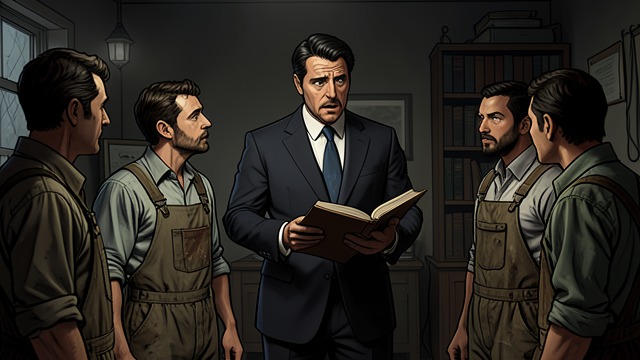
Two Accounts of the Past
Defense of good intentions
Seiji Ogata insists that he and his colleagues worked sincerely to preserve the right values. He argues that Japan lost because it lacked military strength, not because its social ideals were flawed.
Judgment of consequences
Shigeo Matsuda acknowledges their sincerity but says their efforts served a misguided and evil direction. He invokes the punishment of teachers who opposed the old system, forcing the dispute beyond a mere disagreement between generations.
A Quiet Departure
No Final Apology
A subdued ending
Seiji Ogata does not return to the argument with Jiro and does not obtain the apology he wanted from Shigeo Matsuda. He leaves Nagasaki after Jiro’s successful business meeting, with family conversation remaining courteous and incomplete.
An unresolved reckoning
His departure ends the visit but not the historical disagreement. The novel leaves Seiji Ogata’s convictions intact while exposing the limits of his willingness to examine their consequences.
early in Seiji Ogata’s summer visit
several evenings into the visit
near the end of Seiji Ogata’s visit
during the street encounter with Shigeo Matsuda
the day before Seiji Ogata returns to Fukuoka
