
Looking Forward and Looking Back
A Pale View of HillsThe repeated appeal to look forward is tested by grief, remembered violence, and choices that cannot be separated from the past.
increasing Bearing strength in each event
 decreasing
Bearing strength in each eventdecreasingMrs. Fujiwara’s Counsel
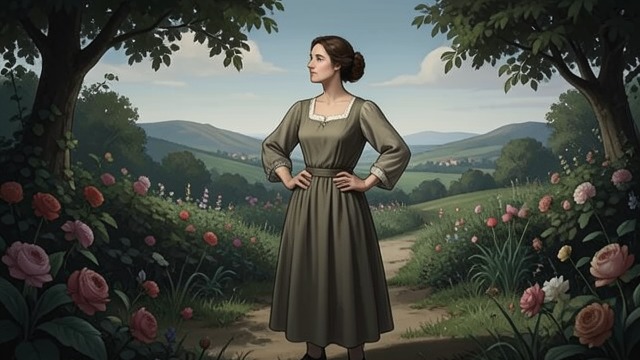
The Future as Discipline
Advice to a young mother
Mrs. Fujiwara tells Etsuko to keep her mind on happy things and think about the child and the future. She believes a mother’s attitude helps shape the life she brings into the world.
Hope after loss
Her advice arises from a life devastated by the bombing but rebuilt through work. Looking forward is not presented as forgetting; it is a practice that allows life to continue amid irreversible loss.
An Outing to Inasa
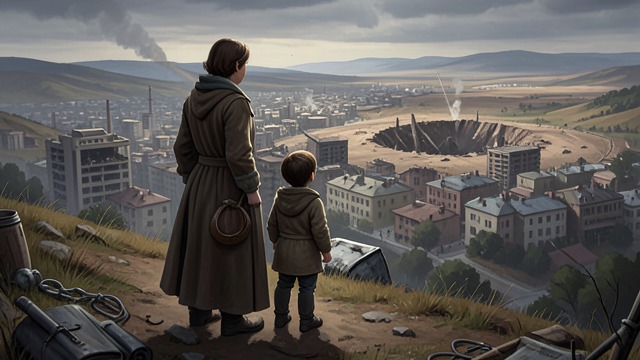
Recovery Seen from Above
A landscape restored
Etsuko and Sachiko look across Nagasaki from the hills of Inasa. Etsuko points out that the area damaged by the bomb is now full of life and says she intends to be optimistic about her future.
The past remains visible
The rebuilt view supports hope without erasing destruction. Sachiko agrees that the city would still be rubble without the effort to move forward, while her own plans remain precarious.
Sachiko’s Version of Hope
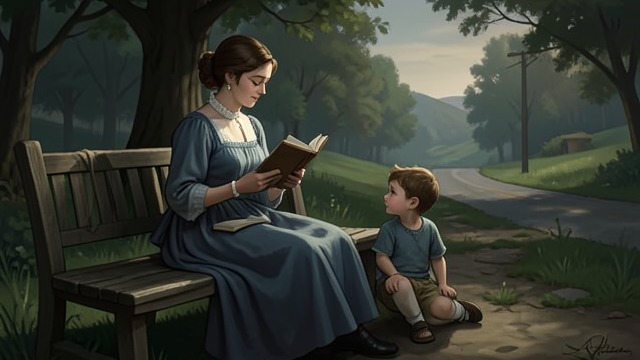
Opportunity Imagined
A daughter’s future
Sachiko describes private tuition and future opportunities for Mariko, including education and work in America. She presents the move as a way to give her daughter choices unavailable in Japan.
Hope under pressure
Her vision is persuasive because it answers real constraints, yet it depends on Frank and on a future that has repeatedly been delayed. Optimism and denial begin to look difficult to distinguish.
A Dead Child in Memory
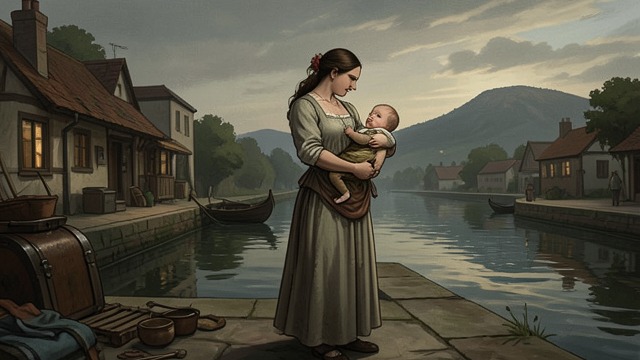
The Past Returns
A remembered horror
Sachiko recounts the woman by the canal holding a baby, a scene Mariko saw during wartime air raids on Tokyo. The woman later died by suicide, and the memory continued to trouble the child.
No simple movement on
The account interrupts the language of leaving the past behind. Trauma survives in Mariko’s recurring story, showing that a new destination cannot by itself make earlier violence disappear.
Niki’s Advice to Etsuko
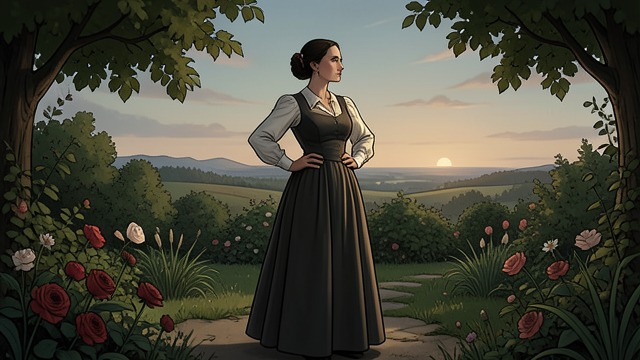
A Life Judged from Outside
Praise for leaving
Niki says Etsuko should be proud of what she did and that people must not waste their lives. She interprets her mother’s migration as a brave effort to make a better future.
A limit to reassurance
Etsuko is irritated because Niki does not know what happened in the final days in Japan. Her response shows that forward-looking encouragement can become another way of avoiding the past.
during Etsuko’s pregnancy
a hot afternoon in mid-summer
during the same Inasa outing
during Sachiko’s account of wartime Tokyo
the fifth day of the present-day visit
