Niki and Keiko
A Pale View of HillsNiki and Keiko are sisters whose bond is shown chiefly through the guilt Niki voices after Keiko’s death and the family’s different accounts of who was responsible for her unhappiness. In a quiet exchange with Etsuko, Niki reflects that Keiko was often ignored; Etsuko, in turn, admits that she knew Keiko might not be happy in England but chose to bring her there. Their relationship emerges less through remembered scenes of sisterly closeness than through this late effort to understand what Keiko needed and what the family could have done.
Family Context
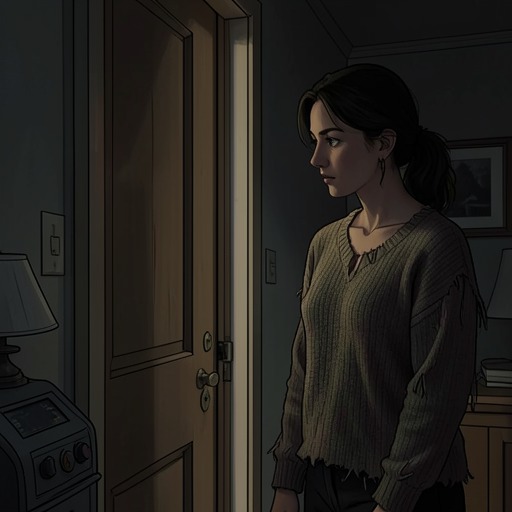
Keiko is Etsuko’s older daughter, and Niki is her younger daughter. The surviving account of their relationship is shaped by Keiko’s absence: Niki speaks about her in a conversation with Etsuko, while Etsuko’s attention still turns instinctively toward Keiko’s bedroom. One early morning, hearing birds outside in the darkness, Etsuko looks down the corridor toward the door and pauses at what she thinks may be a sound from within. The sound proves to come from the kitchen, but the moment shows how Keiko remains present in the family home through memory and habit.
The sisters’ family history is also bound to migration. Etsuko remembers arriving at a house that seemed to her like the England she had imagined: open fields, with the house visible from the surrounding land. Years later, she tells Niki that trees have since grown where those fields once were. The changed view gives their conversation a concrete measure of time passed since the move, even as Etsuko’s recollections return to the decisions made around Keiko’s life.
Niki’s Regret
In the kitchen, Niki mentions having bad dreams and then turns to Keiko’s treatment within the family. She says that the man she is discussing should have looked after Keiko more, that he mostly ignored her, and that this was unfair. Etsuko answers that he was not Keiko’s real father. Niki does not treat that distinction as an excuse: she repeats that Keiko was treated unfairly. Her response centers the question of care on what Keiko experienced, rather than on the formal limits of another adult’s responsibility to her.
Niki’s admission is restrained but consequential. She is not recounting a particular incident or claiming that she could have changed the outcome; she is acknowledging a perceived failure to look after her sister adequately. The conversation makes their sisterhood legible through retrospective concern, while leaving the extent of their earlier closeness and Niki’s specific opportunities to intervene unstated.
Etsuko’s Responsibility and Niki’s Response
Etsuko extends the question of responsibility from Keiko’s treatment by others to her own decision to bring Keiko to England. She tells Niki that she had known Keiko would not be happy there, yet brought her all the same. Niki rejects the claim that her mother could have known the outcome and tells her that she did everything she could; she also argues that taking risks was necessary, rather than watching life waste away.
The exchange does not settle what would have made Keiko happy, or whether another choice would have changed her life. Instead, it sets Niki’s regret beside Etsuko’s self-reproach and Niki’s defense of her mother. Niki’s words offer Etsuko some relief from blame, but they do not erase the earlier unfairness she has identified. The sisters’ place in the family is therefore remembered through an unresolved tension: care was needed, responsibility was imperfectly borne, and the surviving family members are left to interpret choices whose consequences cannot now be revised.