Tokyo
A Pale View of HillsTokyo appears in Sachiko’s account as both a place of earlier personal history and the setting of an unsettling experience that Mariko continues to remember. Sachiko says she first met the man there whom she is now trying to find in Nagasaki; she also recounts how Mariko, still very young, saw a woman and a baby by a canal. The city therefore enters the narrative through recollection, linking Sachiko’s past to Mariko’s lasting memory.
Earlier Encounters
When Etsuko expresses sympathy that Sachiko had been left waiting with everything packed, Sachiko replies that the situation is familiar from Tokyo, where she first met the man. She presents the disappointment as a recurrence rather than a surprise. Although she is now in Nagasaki, she says she will search for him there, reasoning that he may change hotels but not his habits. Tokyo thus marks an earlier chapter in the relationship and gives context to Sachiko’s expectation that the present setback may repeat an old pattern.
Mariko’s Memory of the Canal
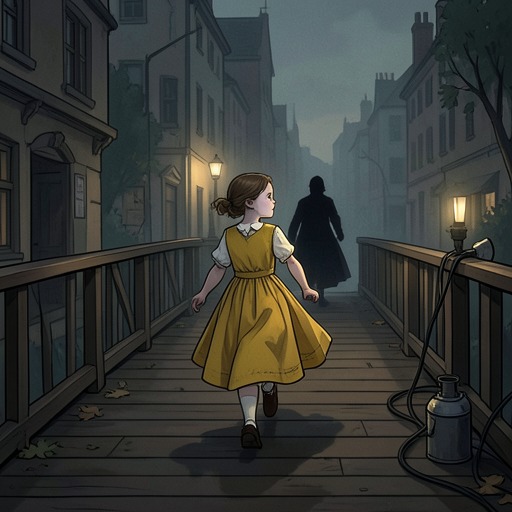
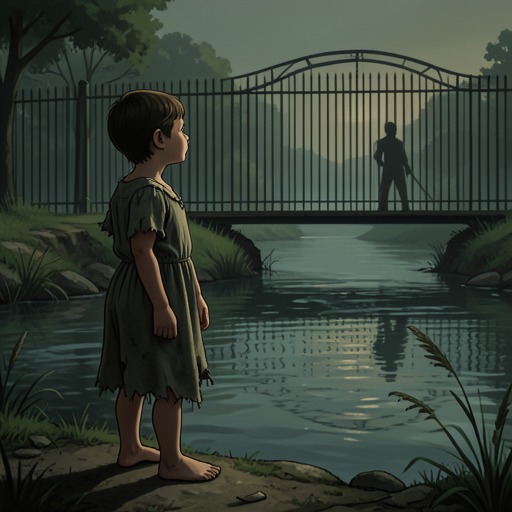
Sachiko locates in Tokyo the incident involving the woman Mariko has spoken about. One morning, Mariko ran into the streets and Sachiko followed her down an alley to a canal. There they encountered a young woman kneeling by the water, holding a baby. Sachiko recognized that something was wrong; when the woman turned and smiled at Mariko, the child stopped running. Sachiko took Mariko away from the alley.
Sachiko later clarifies that the woman had died by suicide, not in an air raid. The account distinguishes the woman’s death from the event Mariko witnessed: the child saw the woman and baby before Sachiko led her away. Tokyo is therefore remembered not simply as the location of an adult misfortune, but as the setting of an encounter whose implications Mariko may not have understood at the time.
Delayed Return and Narrative Significance
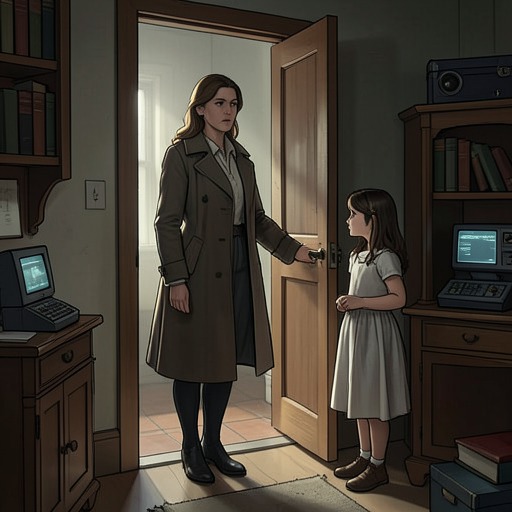
Mariko did not speak about the incident immediately. About a month later, while she and Sachiko were sleeping in an old building, Sachiko awoke to find her sitting upright and staring at the doorway. Mariko said that a woman was standing there watching them and identified her as the woman they had seen that morning. Sachiko looked around but found no one; she allows that someone could have entered, since the building had no door to prevent it.
The episode makes Tokyo a place that persists through remembered images rather than a fully described setting. The canal encounter is followed by Mariko’s later report of a woman at the doorway, but Sachiko cannot establish whether anyone was actually there. Her account preserves both the child’s fear and the uncertainty surrounding it. In this way, Tokyo connects Sachiko’s matter-of-fact recollection of past disappointment with a memory that returns indirectly and remains unresolved.