Wartime air raids on Tokyo
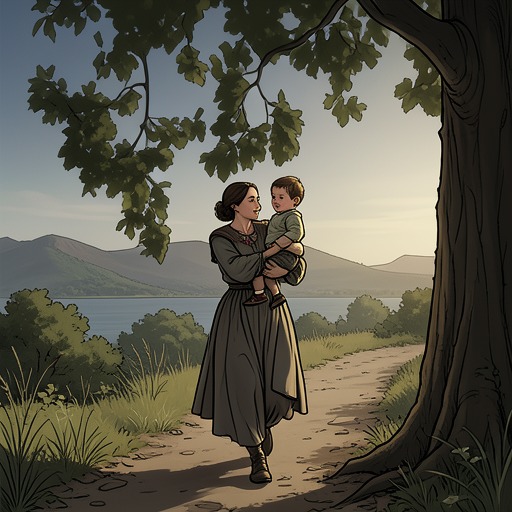
A Pale View of HillsWartime air raids on Tokyo are remembered as a sustained assault on civilian life: Sachiko describes weeks of danger, people sheltering in tunnels and derelict buildings, and a city reduced to rubble. In her later account to Etsuko, the raids form the background to Mariko’s childhood encounter with a woman and a baby beside a canal, while Sachiko’s recollection distinguishes the woman’s death from the air raids themselves.
Conditions in Wartime Tokyo
Sachiko describes Tokyo as a place where the danger continued week after week. Near the end of the war, she says, people were living in tunnels and derelict buildings amid widespread rubble. She emphasizes that the hardship was not confined to Nagasaki: Tokyo’s residents, including Mariko, had also seen terrible things. Her account presents wartime destruction not as a single moment but as an extended condition that shaped the lives and memories of those who endured it.
Sachiko later reflects that she married when a war seemed likely, yet says that people did not then understand what war would really be like. She had married into a highly respected family and had not expected the war to change circumstances so profoundly. Her recollection links the devastation of the city to a wider upheaval in family life and in the expectations on which she had relied.
Mariko’s Encounter by the Canal
One early morning in Tokyo, Mariko ran out into the streets. Sachiko could not remember what had upset her, if anything; she followed her down an alley to a canal. There, a thin young woman was kneeling in the water. Sachiko recognized that something was wrong when the woman turned toward Mariko and smiled. The woman then lifted her arms from the canal and revealed a baby she had been holding beneath the water.
Sachiko took Mariko away from the alley. The account does not explain what happened to the baby afterward, or provide further details about the woman. It does establish that Mariko saw the encounter herself, making it one of the terrible experiences Sachiko says her daughter continued to remember.
Death, Memory, and the Recalled Account
In conversation with Etsuko, the possibility is raised that the woman was killed in an air raid. Sachiko corrects that understanding: the woman died by suicide, and Sachiko had heard that she had cut her throat. The distinction matters to the account: the raids describe the wider conditions of wartime Tokyo, but Sachiko does not identify them as the cause of this woman’s death.
The episode reaches the reader through Sachiko’s retrospective telling, prompted by the conversation about what Mariko had said of the woman. Sachiko recalls following her daughter and seeing the woman at the canal, but she cannot remember why Mariko ran away that morning. This uncertainty remains alongside the precise, consequential details she does recall. The episode thus joins the broad, repeated violence of wartime life to a particular memory that Mariko carried forward.