Bus ticket
A Streetcar Named DesireThe bus ticket is a Greyhound ticket to Laurel that Stanley Kowalski buys for Blanche DuBois and presents to her at her birthday supper, functioning as the play's decisive instrument of expulsion and the material symbol of her final, irreversible rejection by the world she tried to enter.
Appearance and Presentation
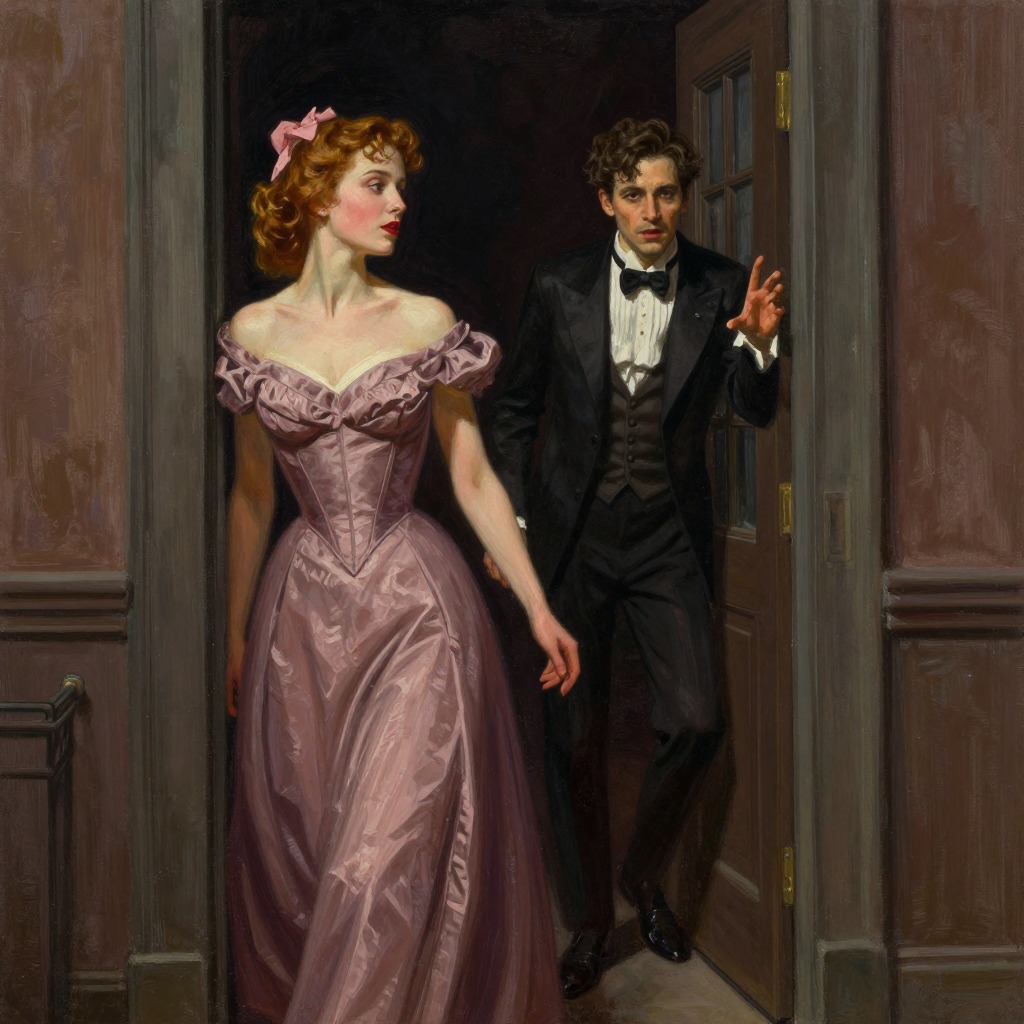
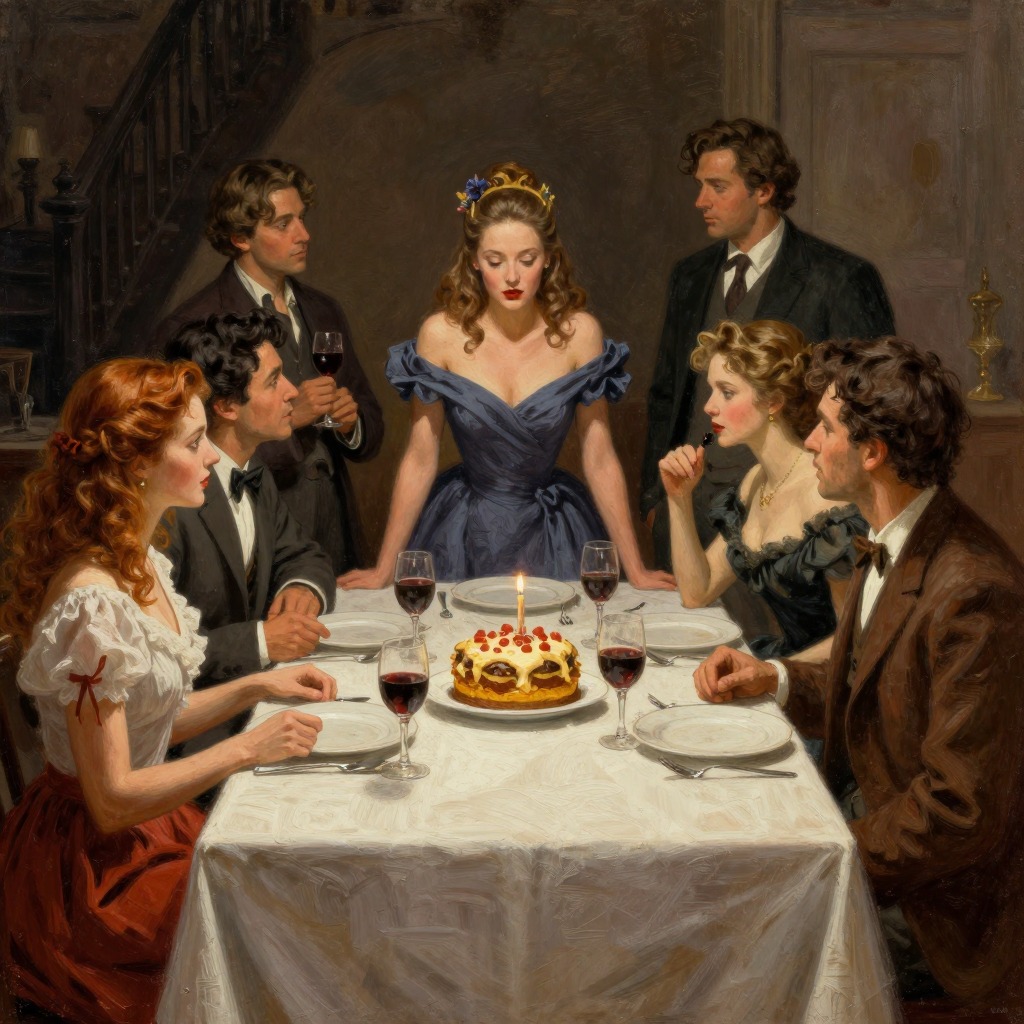
The ticket appears in Scene Eight, during the dismal birthday supper that Stanley, Stella, and Blanche are completing three-quarters of an hour after the scene begins. Stanley, who has already revealed Blanche's past to Stella and told Mitch the truth about her, produces a little envelope from his pocket and offers it to Blanche with false amiability, calling it a "little birthday remembrance." Blanche, who has just claimed to be twenty-seven, takes the envelope and discovers it contains a ticket back to Laurel on the Greyhound, for Tuesday. The Varsouviana music steals in softly as she tries to smile, then to laugh, before giving up both and running into the bathroom, where coughing and gagging sounds are heard. Stella rises abruptly and turns her back, then tells Stanley he did not need to do that. Stanley replies, "Don't forget all that I took off her." Stella says he need not have been so cruel to someone alone as she is, and Stanley calls Blanche a "delicate piece." Stella insists that nobody was as tender and trusting as Blanche as a girl, but that people like Stanley abused her and forced her to change.
Symbolic Meaning and Context
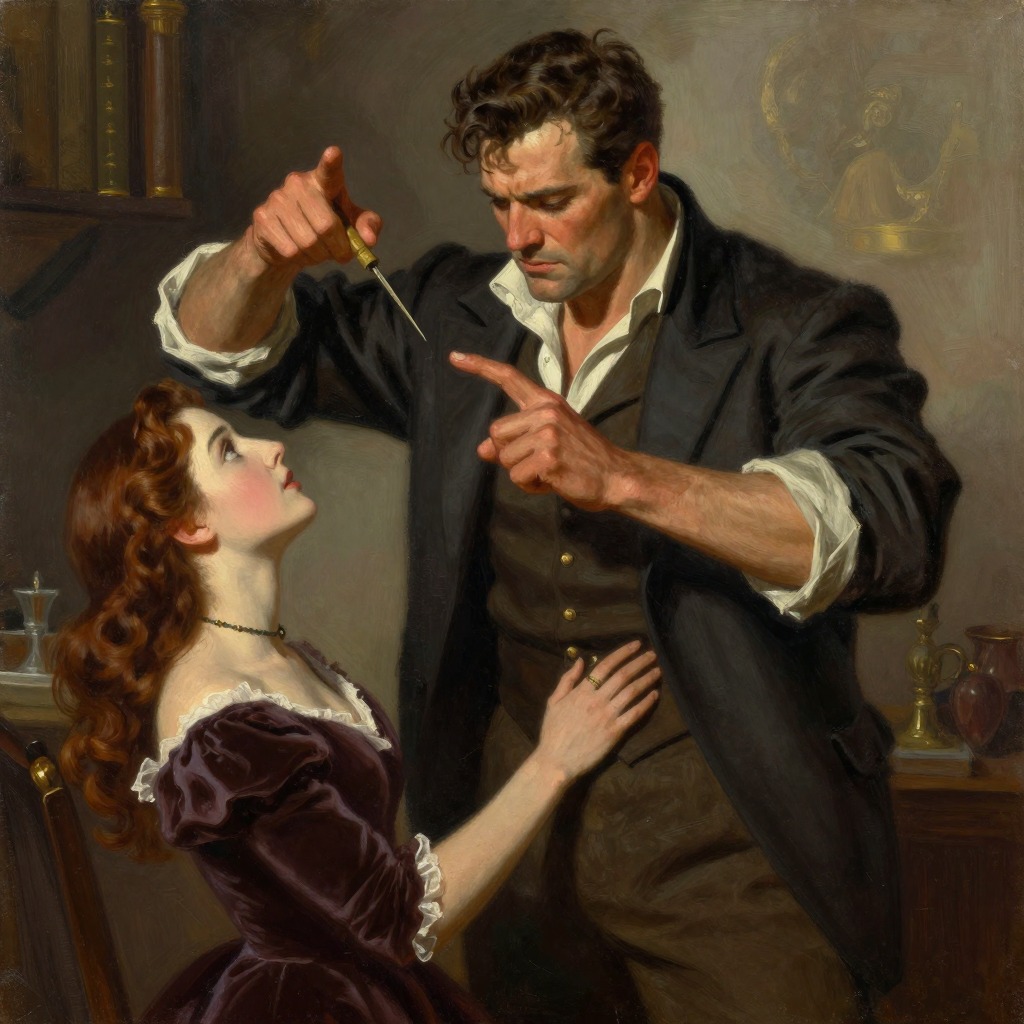
The ticket is the culmination of Stanley's campaign to destroy Blanche's place in his home. Earlier in Scene Seven, after revealing to Stella that Blanche was asked to leave the Flamingo Hotel and was kicked out of her teaching job for involvement with a seventeen-year-old boy, Stanley declares that Blanche is not staying after Tuesday and that he bought her ticket himself—a bus ticket. Stella protests that Blanche would not go on a bus, but Stanley insists she will go on a bus and like it, repeating that she will go Tuesday. The ticket thus represents not merely transportation but the final, official decree of Blanche's banishment from the Kowalski household. It is the material counterpart to the verbal revelations Stanley has already made: the exposure of her past at the Flamingo, her dismissal from the school, and her reputation in Laurel as a "town character" who was "washed up like poison." The ticket transforms abstract social rejection into a concrete, inescapable fact.
Connection to Blanche's Trauma
The bus ticket to Laurel carries a devastating irony: Laurel is the site of Blanche's greatest humiliations and losses. It was in Laurel that she lost Belle Reve, the family plantation, to a series of deaths and debts that she describes to Stella in Scene One as "the long parade to the graveyard"—father, mother, Margaret, old Cousin Jessie, all dying and requiring expensive funerals that drained the family's resources. It was in Laurel that she married Allan Grey when she was very young, discovered his homosexuality, and caused his suicide by telling him "You disgust me" during a dance at Moon Lake Casino, after which he ran out and shot himself in the mouth. It was in Laurel that she sought "intimacies with strangers" after Allan's death, staying at the Tarantula Arms and eventually at the Flamingo Hotel, where the management asked her to leave. It was in Laurel that she became involved with a seventeen-year-old boy, leading to her dismissal from her teaching position. The ticket sends her back to the very place that destroyed her, with no resources, no prospects, and no one to receive her.
The Ticket as a Turning Point
The presentation of the ticket triggers the final collapse of Blanche's carefully constructed illusions. After the birthday supper, she calls Mitch but he does not come. Later that evening, Mitch confronts her in Scene Nine, tearing the paper lantern off the light bulb and forcing her to face the truth about her age and her past. She admits to the intimacies with strangers, the panic that drove her from one to another, and the involvement with the seventeen-year-old boy. After Mitch leaves, Blanche descends further into fantasy, dressing in a soiled white satin evening gown and rhinestone tiara, pretending she has received a telegram from Shep Huntleigh inviting her on a Caribbean cruise. Stanley, returning home, exposes this lie as well, telling her there is no millionaire and no wire, only "imagination and lies and conceit and tricks." The ticket thus initiates the sequence that ends with Stanley's rape of Blanche and her final removal by the Doctor and Matron.
Final Disposition
In Scene Eleven, weeks later, Stella is packing Blanche's things for her departure. Blanche, still believing she is going on a cruise with Shep Huntleigh, asks about her clothes and accessories, including the yellow silk bouclé dress and the silver and turquoise seahorse pin. When the Doctor and Matron arrive, Blanche initially resists, but the Doctor's gentle manner calms her, and she leaves with him, uttering her famous line about depending on the kindness of strangers. The bus ticket itself is not mentioned again, but its purpose has been fulfilled: Blanche is removed from the apartment, and the ticket to Laurel—whether she will actually use it or be taken to an institution instead—remains the official plan Stanley imposed, the final bureaucratic instrument of her expulsion from the world of the Kowalskis.