Moon Lake Casino
A Streetcar Named DesireMoon Lake Casino is the pivotal location where the central trauma of Blanche DuBois's life occurred, the place where her young husband Allan Grey shot himself after she confronted him about his homosexuality. The casino is a lakeside amusement and gambling venue outside New Orleans, associated with the Moon Lake Casino area, and it is the setting for the catastrophic end of Blanche's marriage. The memory of this night is indelibly linked in Blanche's mind to the polka tune the "Varsouviana," which she hears in her head whenever the trauma resurfaces, and to the revolver shot that always stops the music.
The Night of Allan Grey's Suicide
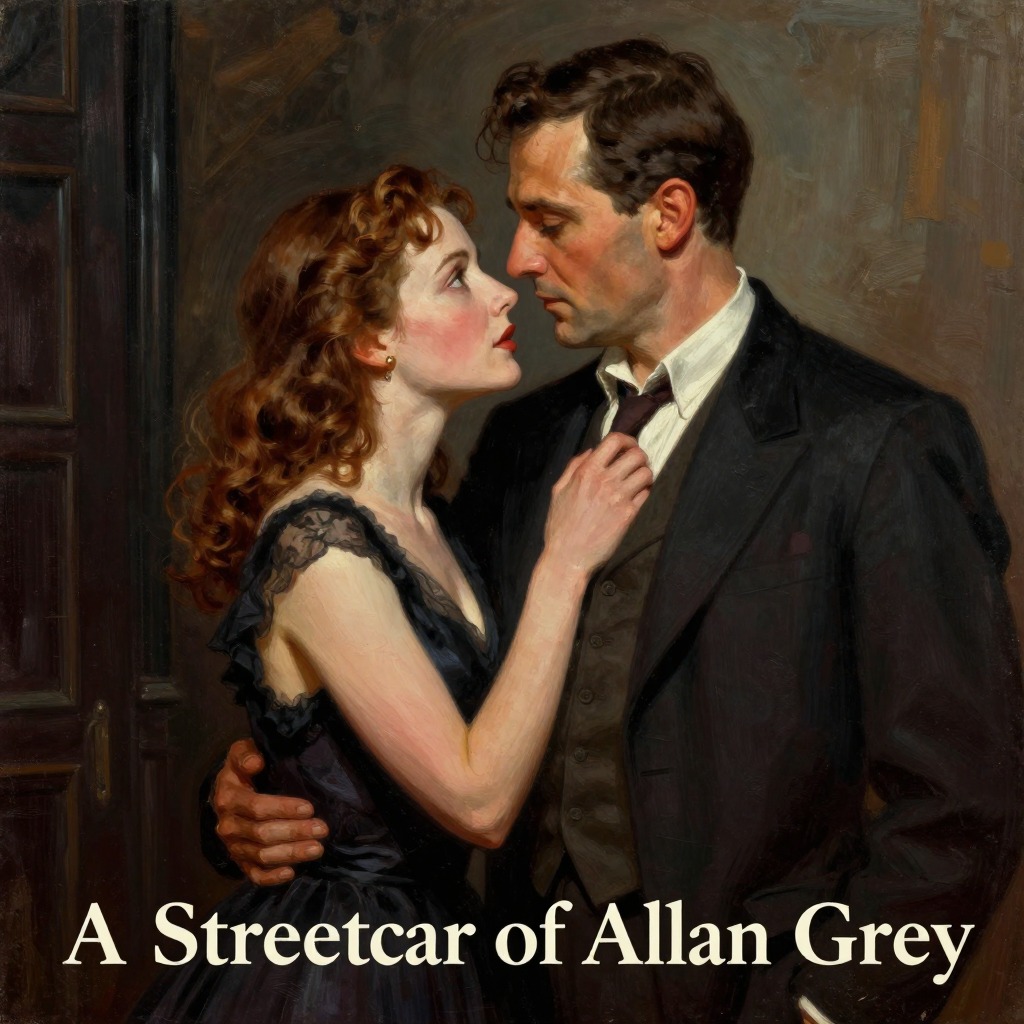
Blanche met Allan Grey when she was sixteen, and she describes their love as a sudden, blinding discovery that transformed the world for her. After their marriage, she sensed something different about him—a nervousness, a softness and tenderness that was not like a man's, though he was not effeminate looking. He came to her for help, but she did not understand what he needed. She discovered the truth in the worst possible way: by coming suddenly into a room she thought was empty, only to find her husband and an older man who had been his friend for years. After this discovery, the three of them drove to Moon Lake Casino, very drunk and laughing all the way. There, they danced the Varsouviana. Suddenly, in the middle of the dance, Allan broke away from her and ran out of the casino. A few moments later, a shot rang out. Blanche ran out with the others and gathered around the terrible thing at the edge of the lake. She could not get near for the crowding, but she heard voices saying "Allan! Allan! The Grey boy!" He had stuck a revolver into his mouth and fired, so that the back of his head had been blown away. The immediate cause of his suicide was that on the dance floor, unable to stop herself, Blanche had said to him, "I saw! I know! You disgust me . . ." After that, she says, the searchlight which had been turned on the world was turned off again, and never since has there been any light stronger than a kitchen candle.
The Haunting of Blanche
The memory of Moon Lake Casino and Allan's suicide is a recurring psychological wound for Blanche throughout the play. The "Varsouviana" polka tune that was playing at the casino becomes a trigger, playing in her mind whenever she is under extreme stress or when the past is invoked. She hears it during her first conversation with Stanley Kowalski when he asks about her marriage, and it returns with increasing intensity as her situation deteriorates. In Scene Nine, after Mitch confronts her with the truth about her past, she is seated in a tense, hunched position, drinking to escape the polka tune and the sense of disaster closing in on her. She tells Mitch that the music is the "Varsouviana," the polka tune they were playing when Allan—and then she waits for the distant revolver shot that always stops it. The casino also represents the beginning of Blanche's pattern of seeking intimacy with strangers to fill her empty heart after Allan's death. She confesses to Mitch that after the suicide, intimacies with strangers was all she seemed able to do, driven by panic from one to another, hunting for protection in the most unlikely places, even at last in a seventeen-year-old boy. This pattern led to her being asked to leave the Flamingo Hotel and ultimately to her expulsion from Laurel, setting the entire plot of the play in motion.
Symbolic Resonance
Moon Lake Casino functions as a symbol of the destructive collision between illusion and reality that defines Blanche's life. The casino is a place of artificial gaiety, drinking, and dancing, where the Varsouviana was played—a festive setting that became the stage for a horrific, irreversible act of violence. The contrast between the carefree surface of the casino and the brutal reality of Allan's suicide mirrors Blanche's own desperate attempts to maintain a facade of charm and refinement while her world crumbles. The location is also tied to the broader thematic landscape of the play, which is set in the French Quarter of New Orleans, a place described as having a "raffish charm" and a "blue piano" that expresses the spirit of the life that goes on there. The casino, like the Kowalski apartment, is a space where the raw, animalistic forces of desire and violence erupt, shattering the delicate illusions that characters like Blanche try to maintain. The memory of the casino is the foundational trauma that makes Blanche's subsequent behavior—her lies, her drinking, her desperate need for kindness and protection—understandable as a survival mechanism against the unbearable weight of her past.