Radio
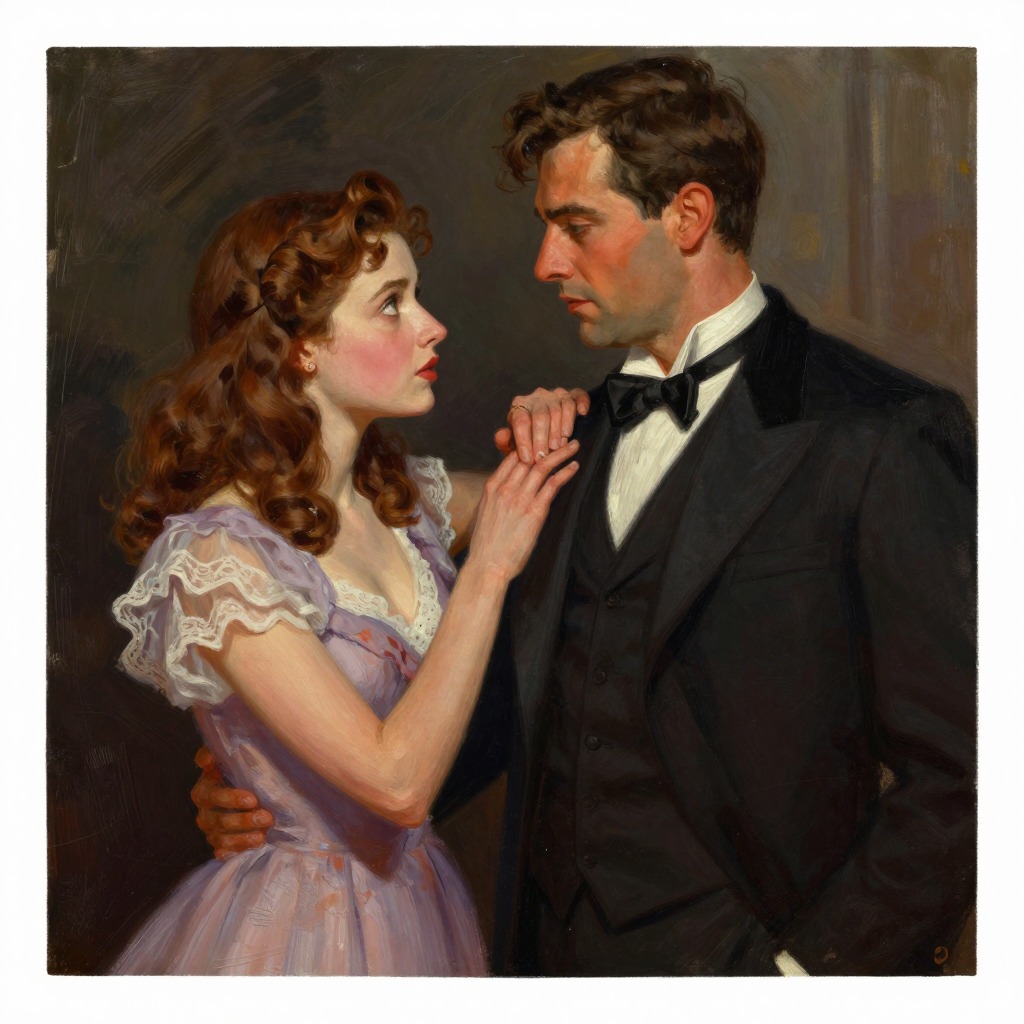
A Streetcar Named DesireThe small white radio in the Kowalski apartment is a deceptively modest object that becomes a charged emblem of the struggle between Blanche DuBois and Stanley Kowalski. It is first seen in the bedroom, where Blanche turns it on during the poker night, and its presence triggers a violent confrontation that exposes the irreconcilable differences between the two characters. The radio's fate—smashed by Stanley—foreshadows the broader destruction Blanche will suffer, and its recurring association with music and memory ties it to the play's deepest psychological wounds.
Appearance and Initial Use
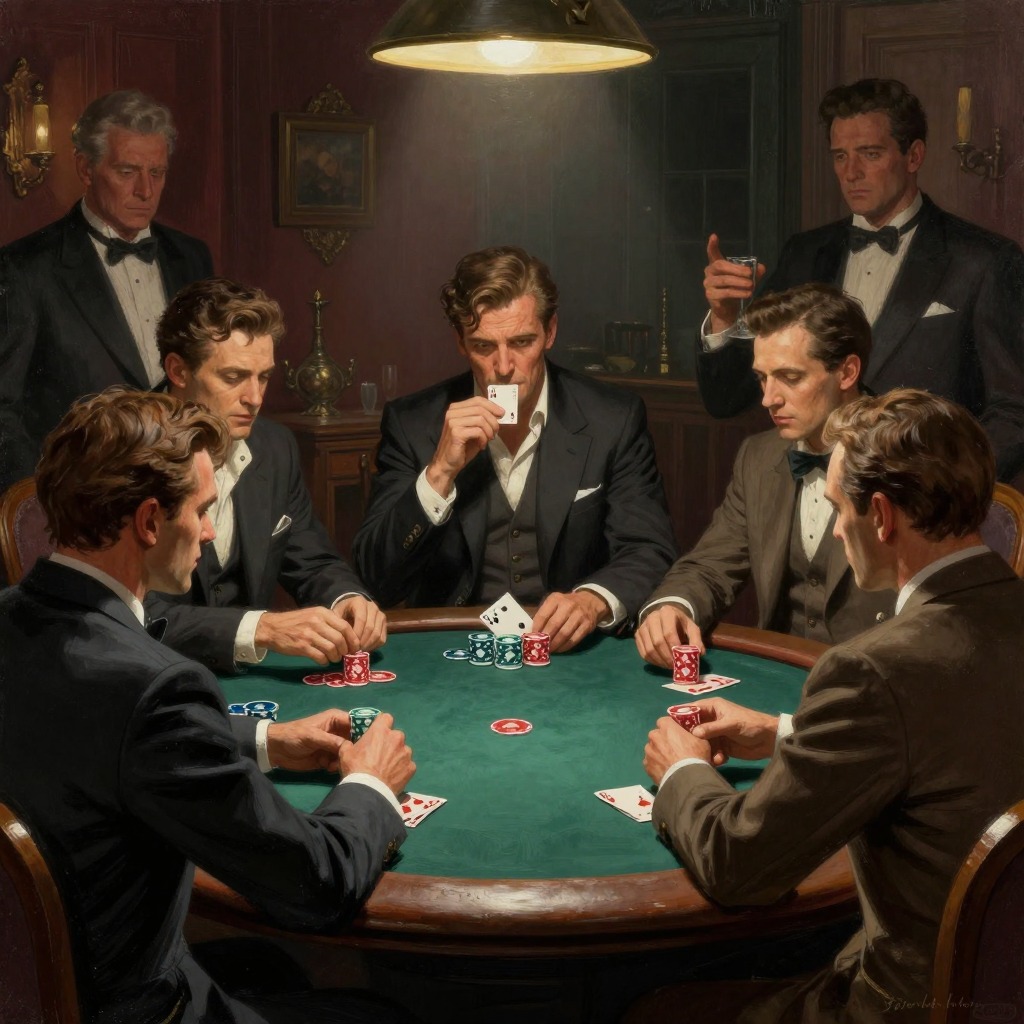
The radio is a small white set, placed in the bedroom of the Kowalskis' cramped two-room flat. It first appears when Blanche, restless and seeking distraction during the poker game, rises and crosses leisurely to it, turning it on. The music that emerges is a rhumba, and Blanche, standing in a streak of light, raises her arms and stretches indolently as she moves back to her chair. The radio thus becomes an extension of her desire for beauty, romance, and escape from the raw, masculine atmosphere of the poker table. It is her attempt to impose a different kind of order on the space, one governed by grace and sensuality rather than brute competition.
The Violent Confrontation
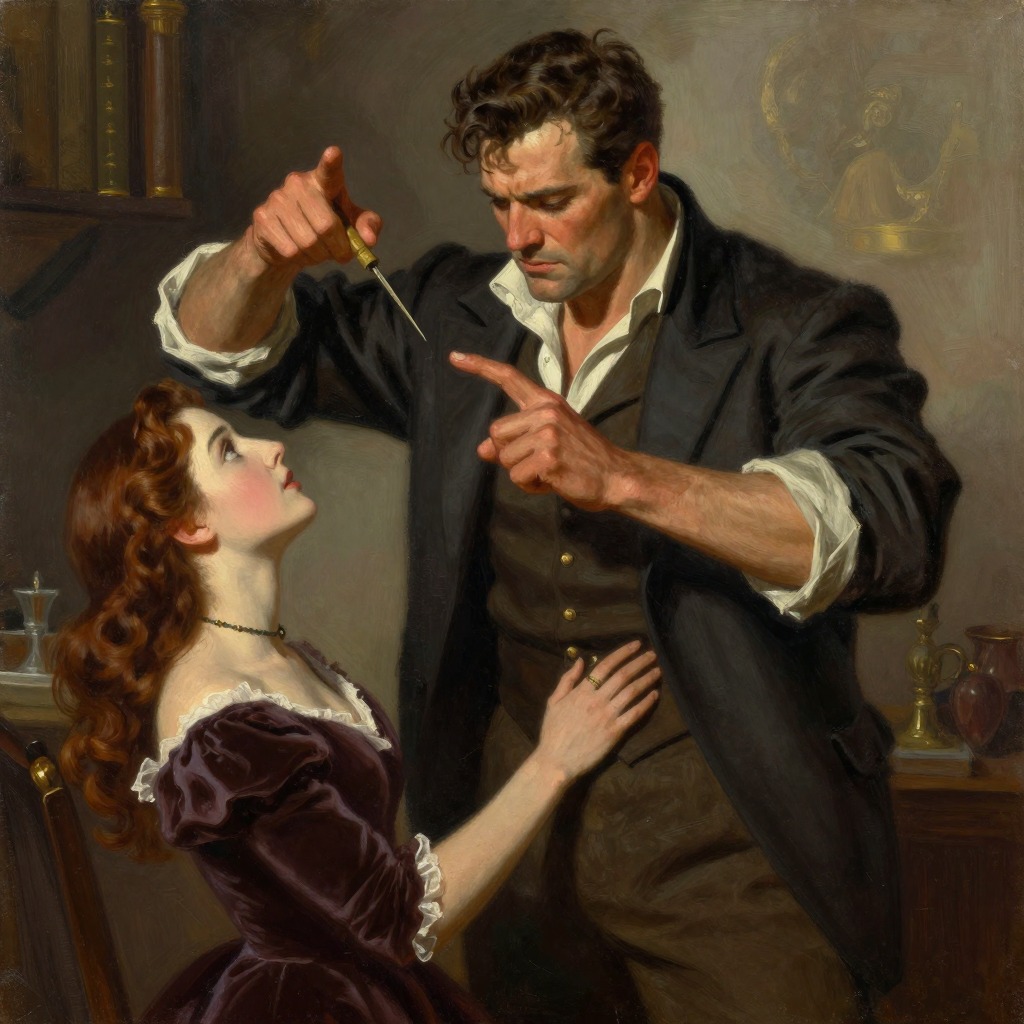
Stanley's reaction to the radio is immediate and ferocious. He jumps up from the poker table, crosses to the radio, and turns it off, stopping short only when he catches sight of Blanche in the chair. She returns his look without flinching, but the tension is palpable. Moments later, after Blanche waltzes to the music of "Wien, Wien, nur du allein" with romantic gestures, Stanley stalks fiercely through the portieres into the bedroom. With a shouted oath, he snatches the radio off the table and tosses it out the window. This act of destruction is not merely an outburst of temper; it is a deliberate assertion of his dominion over the household. The radio, which Blanche had used to create a fleeting atmosphere of elegance, is literally hurled into the street, its smashed tube the only damage. Stella later notes that Stanley took the radio to get it fixed, and that only one tube was smashed because it didn't land on the pavement, but the symbolic violence is irreversible.
Connection to Trauma and Memory
The radio is not only a site of conflict but also a trigger for Blanche's deepest trauma. The polka tune "Varsouviana"—the music that was playing when her young husband Allan Grey shot himself—is repeatedly heard in her mind, and it is often associated with the radio or with the music that seems to emanate from the apartment. When Mitch confronts her in Scene Nine, the polka tune starts up again in her head, and she whispers the words of the song, drinking to escape it. The radio, as a source of music, becomes a conduit for the unbearable memory of Allan's death. Blanche's attempt to drown out the polka with other music, or to replace it with the romantic strains of the rhumba, is a futile effort to control the past. The radio thus embodies the inescapable return of trauma, the way sound can invade and overwhelm the present.
Thematic Significance
In the broader thematic architecture of the play, the radio represents the fragile, artificial beauty that Blanche tries to construct in the face of Stanley's raw reality. It is a tool of what she calls "magic"—the illusion she offers to herself and others. Stanley's destruction of it is a literal smashing of that illusion, a declaration that his world, with its poker games, beer bottles, and animal force, will not accommodate her delicate sensibilities. The radio also connects to the play's pervasive soundscape: the "blue piano" from the bar around the corner, the Varsouviana, the locomotive roars, and the street cries. These sounds form a sonic environment that is both atmospheric and psychological, and the radio is the one object that allows a character to choose what to hear. When Stanley takes that choice away, he asserts his control not only over the physical space but over the very air that fills it.