Varsouviana
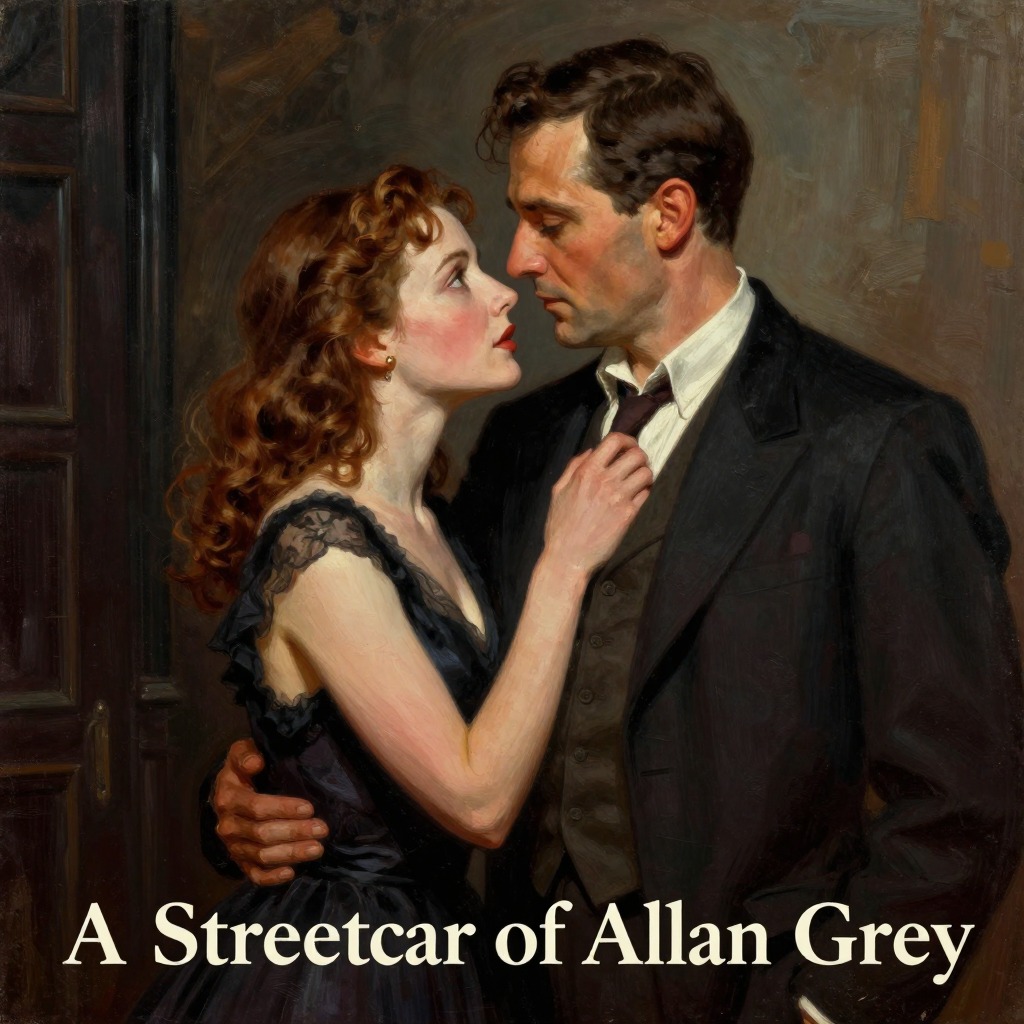
A Streetcar Named DesireThe Varsouviana is the polka tune that was playing at the Moon Lake Casino on the night Blanche DuBois's young husband, Allan Grey, shot himself after she confronted him about his homosexuality. In the play, the music functions not as diegetic background but as an auditory hallucination that only Blanche hears, a recurring symptom of her unprocessed trauma. It first appears in the stage directions during Scene One, when Stanley Kowalski asks Blanche about her marriage, and the polka rises up "faint in the distance" as she answers that the boy died. From that moment, the Varsouviana becomes the sound of a wound that will not close, a sonic marker of the event that shattered her world and set her on a path of compulsive flight and self-destruction.
Origin and Traumatic Association
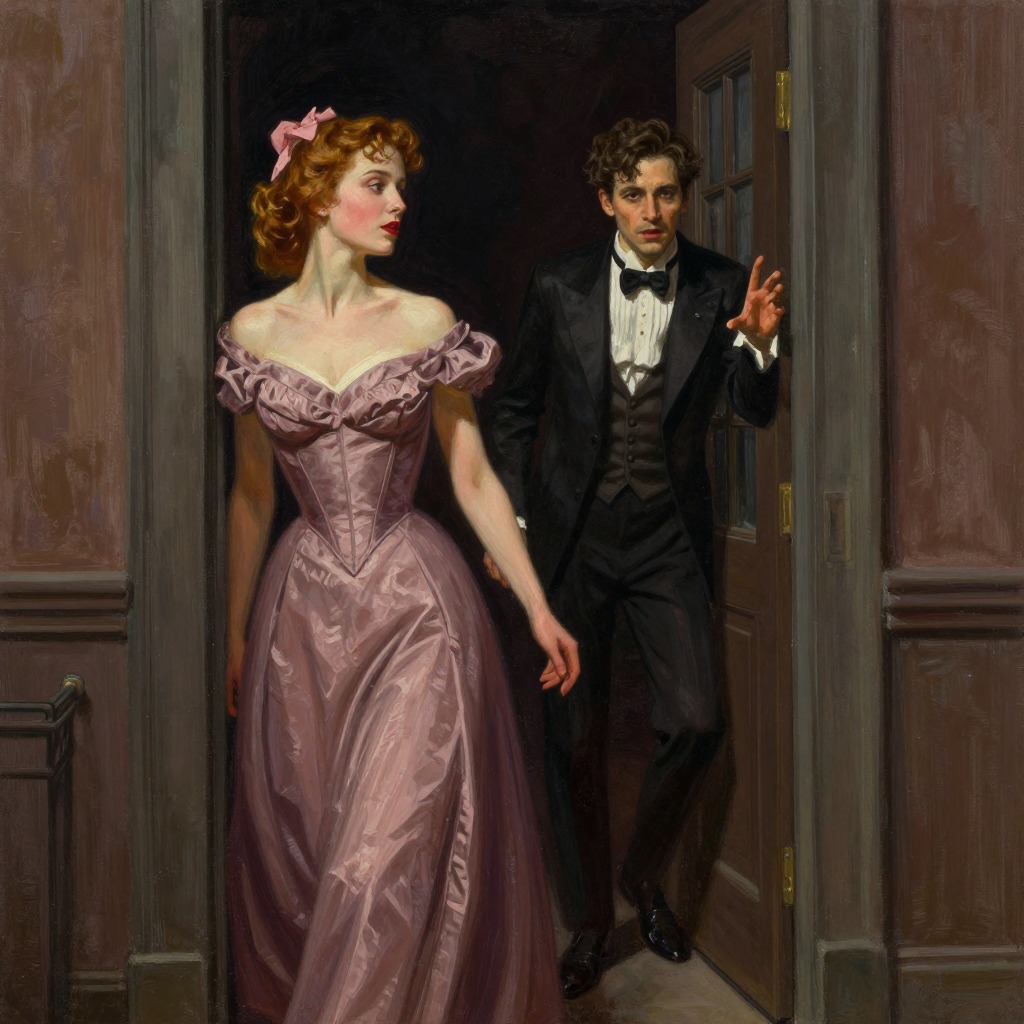
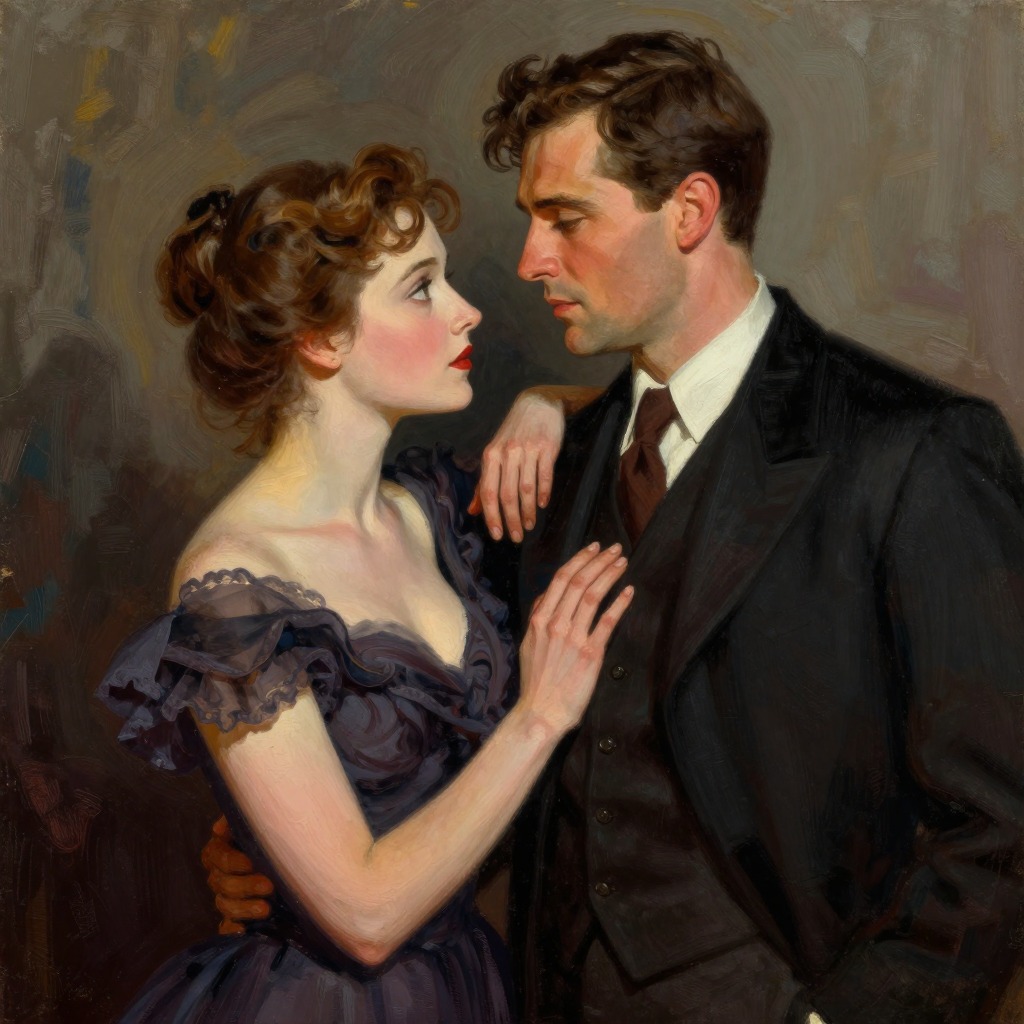
The Varsouviana is inextricably linked to the night at Moon Lake Casino. Blanche recounts the story to Harold Mitchell (Mitch) in Scene Six: after the three of them—Blanche, Allan, and an older man who had been Allan's friend—drove to the casino "very drunk and laughing all the way," they danced the Varsouviana. In the middle of the dance, Allan broke away and ran out; a few moments later, a shot was heard. The polka stops abruptly at the sound of the gunshot, and then resumes in a major key. Blanche explains that the music always starts up again in her head, and that it only stops when she hears the shot. This pattern—the polka, the shot, the silence—becomes a compulsive loop in her psyche, a neurological replay of the moment her love and her innocence were destroyed.
Recurrence and Psychological Function
The Varsouviana returns at every major crisis point in the play, always as an internal sound that Blanche alone perceives. When Stanley gives her a bus ticket back to Laurel at her birthday supper, the Varsouviana "steals in softly and continues playing" as she tries to smile and laugh before fleeing to the bathroom. In Scene Nine, after Mitch has confronted her with the truth of her past and torn the paper lantern off the light bulb, Blanche sits alone in a tense, hunched position, and the stage directions specify that the "rapid, feverish polka tune, the 'Varsouviana' is heard" and that "the music is in her mind; she is drinking to escape it and the sense of disaster closing in on her." She even whispers the words of the song. When Mitch arrives, she tells him the polka has stopped, but it starts up again as she feels his rejection closing in. The music is not merely a memory; it is an active agent of psychological torment, a sound that forces her to relive the trauma she has spent years trying to outrun.
The Shot That Stops the Music
A distinctive feature of the Varsouviana's recurrence is that it is always followed, in Blanche's mind, by the sound of a distant revolver shot. In Scene Nine, when the polka starts up again, she waits for the shot, and when it comes, she seems relieved: "There now, the shot! It always stops after that." This pattern reveals the compulsive, ritualistic nature of her trauma. The polka is the unbearable tension of the memory; the shot is the release. But the release is only temporary—the music will return, and the cycle will begin again. The shot is not a resolution but a punctuation mark, a reminder that the story always ends the same way.
The Final Appearance: Departure and Dissociation
In the final scene, as Blanche prepares to leave the apartment with the Doctor and the Matron, the Varsouviana rises audibly once more. She appears in the amber light of the door with "a tragic radiance" in her red satin robe, and the polka plays as she moves through the kitchen past the poker players. When she realizes that the Doctor is not Shep Huntleigh, the music continues distantly, and as the Matron advances, the Varsouviana is "filtered into a weird distortion, accompanied by the cries and noises of the jungle." The polka, which began as a specific memory of a dance hall, has now become a generalized sound of terror, merging with the jungle imagery that represents the raw, predatory world Blanche can no longer keep at bay. The music only fades when the Doctor speaks to her gently, offering the kindness that allows her to leave with dignity.
Thematic Significance
The Varsouviana is more than a leitmotif; it is the audible shape of Blanche's inner life. It represents the inescapability of the past, the way trauma does not stay buried but erupts at the most vulnerable moments. The polka is a dance tune, a song of courtship and pleasure, but for Blanche it has been permanently corrupted into a song of death. It is the sound of desire turning into destruction, of love becoming shame. The fact that only Blanche hears it underscores her isolation: she is trapped in a private hell that no one else can perceive. The Varsouviana is the ghost of Allan Grey, the ghost of her youth, the ghost of the girl she was before she learned that the world could be cruel. It is the music of a life that stopped making sense, and it plays on, relentlessly, until the very end.