
Emma’s Business Strategies in Times of Crisis
A Woman of SubstanceThis thread follows Emma’s practical decisions as she adapts her businesses to war, economic risk, and changing markets.
increasing Bearing strength in each event
 decreasing
Bearing strength in each eventdecreasingBuying a Warehouse

Buying a Warehouse
Recognizing a Bargain
Emma sees the potential in Gregson Warehouse when its existing business is failing. She buys it cheaply and clears outdated stock rapidly.
A New Supply Channel
Bulk purchasing and direct relationships with manufacturers give Emma better prices and more control over inventory. The warehouse becomes a foundation for retail expansion.
Acquiring Lister’s

Acquiring Lister’s
A Larger Ambition
Emma raises capital and acquires Lister’s, transforming the conservative store into a modern department store. She invests in presentation, service, and new ways to encourage spending.
A New Commercial Scale
The success of Harte’s proves Emma can operate beyond a small shop. The store becomes a model for her later business decisions.
War Contracts at Layton’s
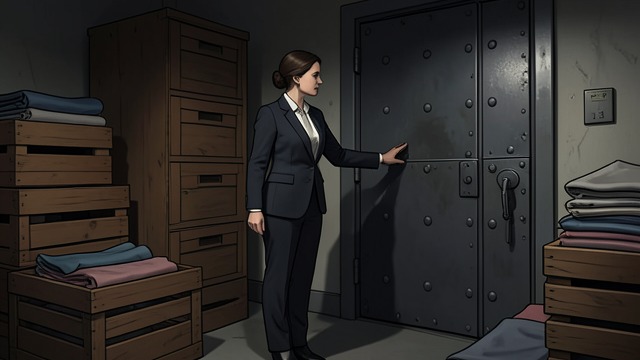
War Contracts at Layton’s
A Calculated Purchase
Emma buys Layton’s woollen mill as war creates demand for uniforms. She chooses not to borrow at a high bank rate, using her own funds instead.
Production Reorganized
She recruits experienced management and workers and seeks government orders. The decision turns a struggling mill into a wartime supplier and a profitable part of her empire.
Rationed Supply Planning
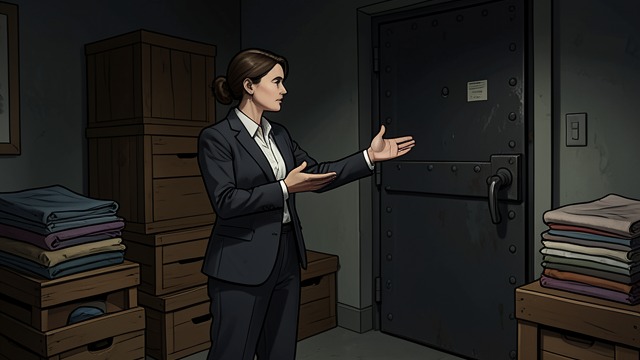
Rationed Supply Planning
Protecting Cash and Stock
Emma reviews reserves, overdue accounts, and warehouse inventories as war begins. She refuses to extend credit indefinitely and orders her staff to collect payments quickly.
Turning Shortage into Resilience
She anticipates that manufacturers will switch to government production and preserves stock for Harte’s. Her approach is practical preparation rather than blind optimism.
Managing the Empire by Delegation
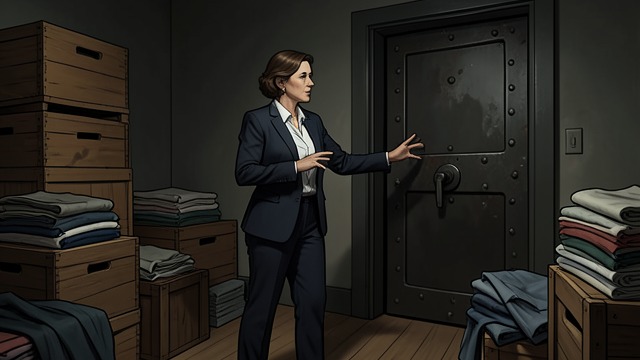
Managing the Empire by Delegation
A Distributed Organization
Emma relies on capable managers, family members, and advisers across the mills, stores, and international holdings. She retains strategic control while delegating daily operations.
Succession as Risk Management
Her final estate plan continues this approach by assigning businesses to people with experience and settling disputes before they threaten the companies.
1910, when Gregson Warehouse is for sale
1912–1913, before the First World War
1914, after Britain enters the war
September 1939, at the outbreak of the Second World War
1940–1968, as Emma oversees global businesses
