
Women’s Work and Social Mobility
A Woman of SubstanceThis thread traces the forms of labor through which Emma gains independence and challenges the class and gender limits surrounding her.
increasing Bearing strength in each event
 decreasing
Bearing strength in each eventdecreasingA Servant’s Knowledge

A Servant’s Knowledge
Work Under Constraint
Emma works long hours in a wealthy household, where her labor is undervalued and mistreatment is tolerated. Her experience gives her detailed knowledge of domestic work and management.
A Skillful Reformer
She devises a more efficient timetable and earns a degree of respect from Olivia Wainright. Knowledge gained in service becomes an early source of leverage and self-confidence.
Learning a Trade
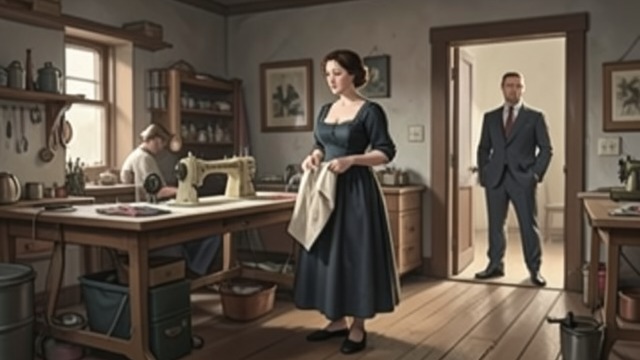
Learning a Trade
Work as Entry
Emma finds work in Abraham Kallinski’s tailoring workshop and learns its processes quickly. The job gives her an income and a place in a city economy she had only imagined before.
Skill into Opportunity
She moves from buttonholing to cutting and sewing, steadily acquiring practical knowledge. Her learning is self-directed and tied to a long-term plan of ownership.
A Businesswoman in Public
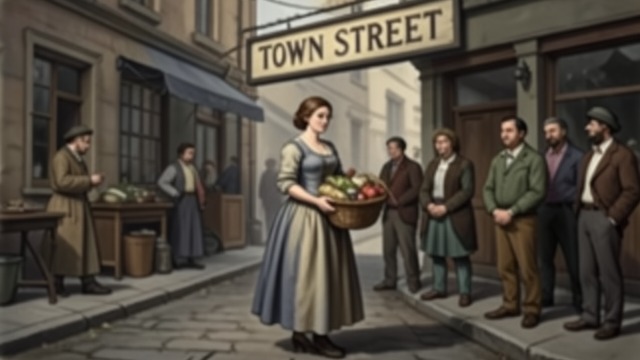
A Businesswoman in Public
Challenging Expectations
Emma rents and expands shops on Town Street in a period when women’s commercial authority is unusual. Her attention to display, price, and customer needs distinguishes her from competitors.
Independence Earned
Success gives Emma ownership and influence rather than mere wages. She becomes able to hire others and shape the conditions of work around her.
A Retail Vision
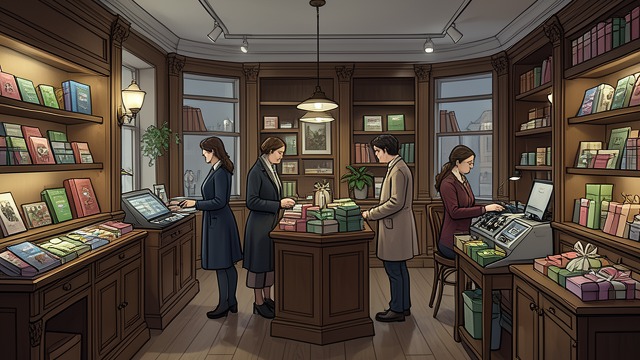
A Retail Vision
New Methods
Emma introduces gift wrapping, delivery, elegant displays, and an in-store café. These practical innovations turn shopping into an experience and strengthen customer loyalty.
A Wider Market
Through Harte’s and Gregson Warehouse, Emma links retailers, manufacturers, and customers. Her model shows how attention to ordinary needs can support large-scale success.
Women and Corporate Power

Women and Corporate Power
Challenging Male Authority
Emma becomes a major owner and decision-maker across retail, property, manufacturing, and publishing. She expects competence from executives and refuses to surrender authority because she is a woman.
Power’s Limits
Her achievements challenge social expectations, but they do not remove loneliness, family conflict, or the personal cost of constant control. Her authority is won, not granted.
1904, in the service of the Fairleys
1905–1906, in Leeds
1906–1914, as Emma opens shops
1912–1930s, as the stores and wholesale business expand
1930s–1968, as Emma leads the empire
