Paul McGill
A Woman of SubstancePaul McGill’s story is defined by a stubborn devotion to Emma Harte that survives distance, secrecy, and years of mistaken conclusions, but cannot protect him from the consequences of a devastating accident. An Australian major first encountered while recovering from a wound, he becomes Emma’s enduring love and the father of Daisy. His death by suicide leaves Emma with a final letter, while the inheritance provisions he made ensure that the McGill estate will pass through Daisy and her children.
Identity and Introduction
Paul enters Emma’s life as a wounded Australian major staying in England. At the Ritz, Emma notices his audacious attention while dining nearby with Frank Harte; Paul, for his part, tells his father, Bruce McGill, that Emma is the most fascinating woman he has ever seen. Bruce recognizes the attraction and teases his son about their shared weakness for beautiful women, but also wants time with Paul, whom he has not seen often. Paul explains that his wound is taking a long time to heal. The encounter introduces both his charm and the directness with which he pursues Emma.
Their next meeting makes that first impression harder to dismiss. At Dolly Mosten’s gathering, Paul approaches Emma and says he had already determined to make her acquaintance. She rebukes him for the disrespectful manner he displayed earlier, insisting that women should be treated with respect. The exchange begins in antagonism, but it also reveals Emma’s unwillingness to be overawed by his confidence. Paul is drawn to precisely the forcefulness that makes her resist him.
Love, Marriage, and Separation
Paul eventually tells Emma plainly that he is in love with her. His pursuit is persistent: when she has moved hundreds of miles away, he asks whether she thought distance would discourage him and describes himself as tenacious. Their reunion rekindles the physical and emotional intensity of the relationship, but it is interrupted by a fact Emma does not know: Paul is married. The disclosure leaves her stunned and complicates the love he has just declared.
Paul later explains that the marriage is to Constance McGill and that he has been separated from her for many years. He describes Constance’s drinking and promiscuity as having destroyed his love for her, while his growing loathing of the marriage makes him determined to find a way to divorce. He wants freedom for Emma and Daisy, but his account also shows that his attachment to Emma has not erased the unresolved legal bond that shapes their choices.
The lovers’ first prolonged separation is caused not only by distance but by deliberate interference. Paul says that Marion Reese, his secretary, had been in love with him for years and confiscated the letters he wrote to Emma, as well as destroying two cablegrams asking Emma to let him know she was well. He did not understand why Emma stopped replying. Despite that silence, he remained determined to see her and sailed for England as soon as he could. In the spring of 1920, he sent a cable announcing his arrival, but Emma never received it. When he telephoned Frank, he learned that Emma had married Arthur Ainsley just a week earlier. The blocked correspondence transforms a mutual failure to respond into a long separation neither understood correctly at the time.
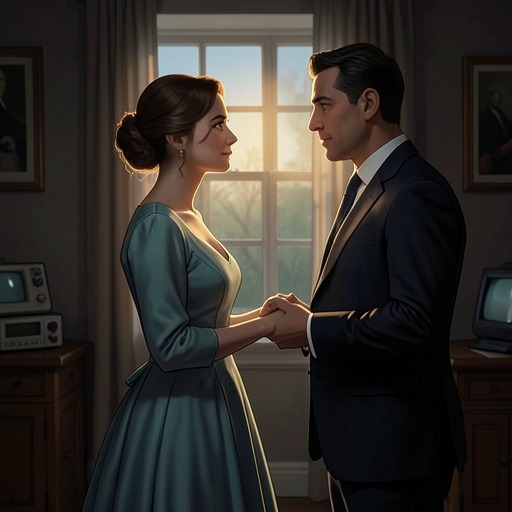
When Paul and Emma are together again, he tells her that he has never stopped thinking about or wanting her. Emma answers that she has never stopped loving him either. Their reunion restores a relationship that had been interrupted by both circumstance and deception, but it does not resolve the legal and familial complications around it. Emma does not want to divorce Arthur immediately because she fears repeating the painful rupture she has experienced with Edwina. Paul accepts her decision and promises to do what she wants.
Fatherhood and Family
Their daughter is born in a private nursing home in London in early May 1925. Paul waits anxiously, paces the waiting room, and takes Emma in his arms after the delivery. He chooses the baby’s name: Daisy, after his mother. The next day he arrives with flowers and gifts, eager to see his daughter. His attentiveness at the birth and his choice of name make fatherhood a central expression of his attachment to Emma, rather than a secondary consequence of their romance.
Paul’s importance to Daisy continues after his death through the arrangements he makes for the McGill estate. At the family gathering Emma convenes at Pennistone Royal, she explains that Paul’s will does not leave her unrestricted power over the inheritance. Under its terms, his natural daughter, Daisy Ainsley Amory, automatically inherits the entire estate when Emma dies. Daisy is to receive its income during her lifetime, with the Rossiter Merchant Bank acting as trustees; Emma has appointed Daisy executrix and Henry Rossiter co-executor. After Daisy’s death, the estate passes in equal shares to her children, Paula McGill Amory and Philip McGill Amory. Paul’s provisions therefore give his daughter and grandchildren a defined place in the future of his wealth, while excluding Emma’s other children and grandchildren from inheriting any part of the McGill estate.
The descendants also carry Paul’s legacy in more personal terms. Emma recalls the happy years she spent with Paul and Daisy at Dunoon, and takes pride in the character and work of their grandson Philip, whom she has recalled from Australia. She sees him as intelligent, hardworking, and a capable businessman who, alongside Paula, can help secure the continued success of the McGill enterprises. Paul is absent from this later family scene, but the inheritance and the memories surrounding it keep his branch of the family present.
Accident, Death, and Final Letter
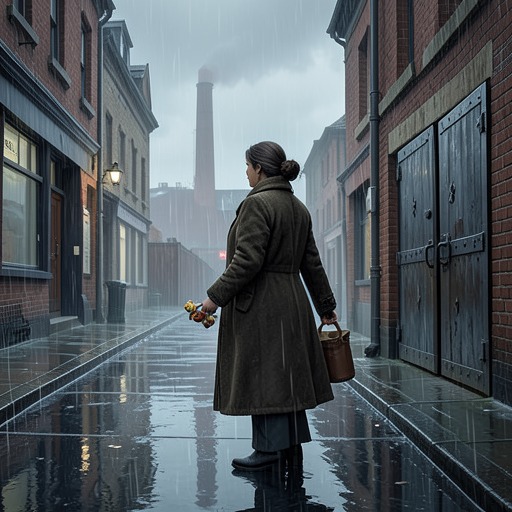
In 1939, Paul leaves a visit with Constance determined to end their long, unhappy marriage. On a rain-lashed road, he takes a turn too fast, sees an approaching lorry too late, and loses control of his speeding car. It skids across the wet road, goes over an embankment, and crashes among boulders. The lorry driver pulls Paul from the wreckage just before the car catches fire. He reaches a Sydney hospital unconscious and remains so for several days; the doctors regard his survival as a miracle. The crash leaves him paralyzed and using a wheelchair, a decisive reversal for a man accustomed to command and action.
Paul does not summon Emma after the accident. In his final letter, which reaches her after his death, he says that he cannot live without her but also cannot live with her, and presents his suicide as an attempt to reclaim control over his fate. He explains that he did not want Emma bound to a helpless, disabled man and wanted her to remember him as he had been. The letter arrives two days after Emma receives news of it; it had been posted the day before his death and taken three weeks to reach her. His choice to keep his condition from her leaves her without the chance to respond, making the letter both an expression of love and a final act of separation.
The letter also insists on the value of the life they shared. Paul remembers their good years and thanks Emma for giving him the best years of his life. For Emma, however, the message arrives after the possibility of changing his decision has ended. His love remains vivid in memory, but his final effort to spare her becomes another painful choice made without her consent.
Narrative Significance
Paul’s relationship with Emma is shaped by repeated gaps between intention and knowledge. Their first attraction is followed by a hidden marriage; their separation is prolonged by letters and cablegrams Marion prevents from reaching Emma; and, after they reunite, Paul conceals the severity of his injuries and his intention to die. Each interruption allows love to persist, but also deprives the couple of a shared decision at a crucial moment.
His legacy works on two connected scales. The final letter preserves the intimate history of a love that has endured separation, while the will establishes a practical line of inheritance through Daisy to Paula and Philip. At Pennistone Royal, Emma’s defense of the family dynasty and her explanation of Paul’s estate bring those scales together: private memory becomes part of the public arrangement of family power. Paul’s life ends in isolation, but his daughter, grandchildren, and the memories Emma cherishes ensure that his presence continues in both the McGill family and her own account of what they shared.