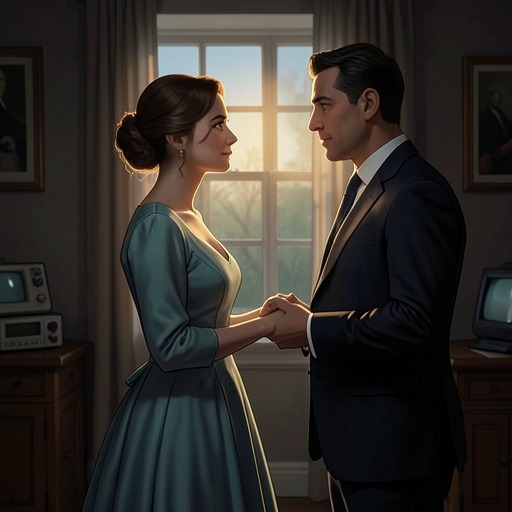
Paul’s final letter to Emma
A Woman of SubstancePaul’s final letter to Emma is both a delayed disclosure and a final act of intimacy: written after Paul decides to stop concealing the truth of his condition, it reaches Emma only after his death. In it, he explains why he did not call for her, describes his decision to end his life as an attempt to reclaim control, and places their daughter Daisy in Emma’s care. The letter cannot alter their separation, but it changes Emma’s understanding of it, allowing her to recognize his motives and forgive him.
Identity, Date, and Delivery
The letter begins with the date and place, “Sydney, July 24, 1939,” and is addressed to Emma as “My dearest darling Emma.” Its origin matters: Paul writes from Sydney, far from Emma, during the separation that his previous correspondence had helped sustain. The letter is not presented as a message delivered in time for a conversation. Paul knows that Emma may read it only after he is dead, and the novel makes the delay part of what the letter means.
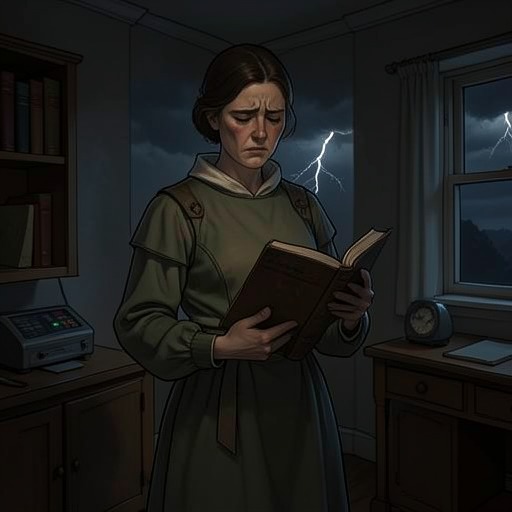
Two days after an earlier moment in Emma’s story, the letter reaches her. It had been posted the day before Paul’s death and taken three weeks to arrive. Emma does not open it immediately. She looks at it for a long time before finding the courage to slit the envelope and take out the pages. The physical interval between writing, posting, and reading gives the letter an unusual double character: it records Paul’s thoughts at a specific moment, yet comes to Emma as a message from someone who can no longer clarify or answer them.
Why Paul Writes
The decision to write follows a conversation with Mel Harrison. Earlier that evening, Mel had offered Paul steady companionship and support; later, alone in his dimly lit study, Paul considers Mel’s suggestion that he tell Emma the truth. Paul recognizes that his earlier letters have understated the accident and used business as an excuse for his delay in returning to England. He concludes that Emma deserves “the absolute truth,” because of what they have been to one another and still mean to one another.
The circumstances of composition make that resolve concrete. Paul sits in the study with brandy and cigarettes, moves his wheelchair to the desk, draws a piece of notepaper toward him, and begins. The movement from private reflection to written address is decisive: the truth he has withheld becomes something he is prepared to place before Emma, even though he cannot control when she will receive it or what she will make of it. The letter is not simply an explanation of the accident; it is an acknowledgment that his silence has shaped their relationship and that he owes Emma an account of it.
Confession, Separation, and Daisy
Paul’s opening declaration, “You are my life,” immediately establishes the letter’s emotional contradiction. He couples that love with the belief that he cannot live with Emma, and says he must end his existence because he sees no future for them together. He rejects the idea that his suicide is weakness, calling it an act of strength and will through which he takes back control over himself. The language presents agency as the final thing he believes remains his to claim, while also making plain the devastating limits he sees around their future.
He gives Emma a specific reason for not sending for her: he did not want her tied to “a helpless cripple,” even if only for a few months. He admits that pride may have been involved, but asks her to understand his reasons and forgive him. The explanation does not erase the effect of his decision to keep her away. Instead, it reveals the tension inside that decision: Paul describes it as an attempt to spare Emma, yet it also denied her the chance to be present and to decide for herself what she could bear.
The letter’s final concern is their child. Paul calls Daisy the embodiment of their love and entrusts her to Emma, asking that she be cherished and raised to be brave, stalwart, and loving. He imagines Daisy as Emma’s future and as the means by which he himself will live on. This appeal turns the letter from a farewell between lovers into a charge of care, giving Emma a responsibility that will continue beyond Paul’s life. His words do not resolve the loss; they direct the surviving bond between them toward their daughter.
Emma’s Reading and the Letter’s Significance
As Emma reads, she sits motionless, clutching the letter while tears roll silently down her cheeks. She pictures Paul as tall and handsome, with laughing violet eyes, and remembers him as he had wanted to be remembered. The letter’s explanation changes how she interprets the distance between them: she thinks of their years together and the joy and love he gave her, and forgives him, now understanding his dilemma and motives with compassion.
That response makes the letter consequential without making it a substitute for Paul’s presence. Its posthumous arrival means Emma can receive the truth but cannot question him, challenge his reasoning, or answer his request directly. The message nevertheless gives her a fuller account than his earlier, underplayed letters did. Its movement from concealment to confession, and from confession to entrusting Daisy’s future, binds Paul’s private explanation to Emma’s continuing life. The envelope she hesitates to open becomes the surviving point of contact between them: a last communication that cannot reverse his choice, but can transform her grief into understanding and forgiveness.