The personal cost of ambition
A Woman of SubstanceThe personal cost of ambition in Emma Harte’s life is not incidental to her success but inseparable from it. She builds a business empire through work, discipline, and sacrifice, yet the security she seeks remains elusive even as her wealth and power grow. Looking back in an empty hall, she recognizes that the chain began in a cramped shop with homemade food, jams, pickles, and a secondhand cash register; she also confronts what that achievement demanded of her as a woman, wife, and mother.
Work as discipline and survival
Emma’s understanding of work begins not with a grand enterprise but with the exhaustion of domestic service at Fairley Hall. When Polly falls ill, Emma takes on her own duties as well as Polly’s, with no clear end to the added burden. She works from six in the morning until seven at night, moving through the house to clean, polish, cook, make beds, tend fires, and attend to Adele Fairley. At the end of the day she is often too tired to eat, struggles up to her attic room, and sleeps heavily without waking refreshed. Her sore hands, aching back, and trembling exhaustion make visible the bodily price of labor that the household expects her to perform.
The wages matter to her family, so she fears both collapse and dismissal; she does not feel free to complain about Murgatroyd’s demands. Instead, she studies the work itself. Timing each task on scraps of paper, she makes a list of daily and weekly chores and devises a schedule that spreads heavy work across the week, assigns time limits, and cuts corners on less important jobs. The plan offers a practical answer to an unreasonable workload, but it also reveals a habit that will follow her into business: when circumstances threaten to overwhelm her, she imposes order through calculation and further effort. Her proposed changes alarm Cook, who warns that Murgatroyd will take them as insolence, and Emma recognizes that even efficiency can carry risks for a servant with little power.
Building a business through relentless labor
After learning of her father’s death, Emma turns work into a sustained campaign to establish financial independence. At seventeen, she works at the mill by day and makes clothes for customers at night in Laura Spencer’s home. On Sundays she bakes pies and pastries, prepares desserts, preserves fruit and vegetables, and makes pickles, chutneys, relishes, and jams for sale. She lives on her mill wages and puts the money from dressmaking and catering back into the business. The work brings a small profit, but her goal is larger: a first shop, followed by a chain of elegant stores serving wealthy customers.
For a year she takes no time off except to visit Edwina Harte once a month. Emma tells herself that the work is for Edwina’s future, a conviction that helps her bear both separation and guilt, but does not erase either. She also participates in deciding that Frank Harte should remain in Fairley with Aunt Lily while he works in the mill offices. Emma and Winston Harte plan to give him the chance to pursue writing later, and Emma insists on providing books and writing materials. Her ambition therefore includes a form of care for her siblings, even as the time demanded by that care narrows the time she can spend with her daughter.
Motherhood, secrecy, and constrained choices
Emma’s pregnancy makes the conflict between private attachment and security immediate. When she tells Edwin Fairley she is going to have his child, his shock gives way to silence. He considers marriage but fears that his father will disown him and that marriage will jeopardize his future at Cambridge and as a barrister. He also sees the class difference between them as a barrier: she is a servant from the village, while he belongs to the gentry. Emma reads his refusal in his expression and answers with bitter clarity. His retreat leaves her to face motherhood without his support and helps turn her attention toward a future she can control through work and money.
The legal registration of Edwina’s birth narrows her choices further. Blackie O’Neill points out that the law requires a father’s name on the certificate. Emma refuses to identify Edwin. Blackie proposes that his own name be entered instead, reasoning that a named father would be preferable to an unknown one, while acknowledging that the certificate would still show Edwina as illegitimate. He insists on accompanying Emma to the registrar and accepts responsibility for the child as her godfather. His intervention supplies a practical protection, but it cannot remove the stigma or the secret Emma continues to guard.
When Emma later accepts Joe Lowther’s marriage proposal, she tells him that Edwina is illegitimate but withholds the father’s identity. She repeats the story she had given Blackie, presenting herself as the widow of a sailor named Winston Harte. Because her brother Winston has the same name, she has to manage further half-truths with Laura Spencer and David Kallinski as well. Joe accepts her account and says her past does not matter to him. Emma’s candour about Edwina and her silence about Edwin coexist: she wants to begin the marriage without deceiving Joe about the child, but protects the secret that could expose her past and unsettle the life she has secured.
Success, loss, and the meaning of security
Marriage and a larger home do not end the demands of work. Emma insists that she continue running her business after the birth of Christopher Harte, and Joe eventually agrees to hire a housekeeper-cook, a daily cleaner, and a nursemaid. The staff makes it possible for her to keep working while the household and children are cared for. Her success thus depends not on the disappearance of domestic labor but on arranging for others to perform some of it; the responsibility of making that arrangement, and of sustaining the business, remains bound up with her own determination.
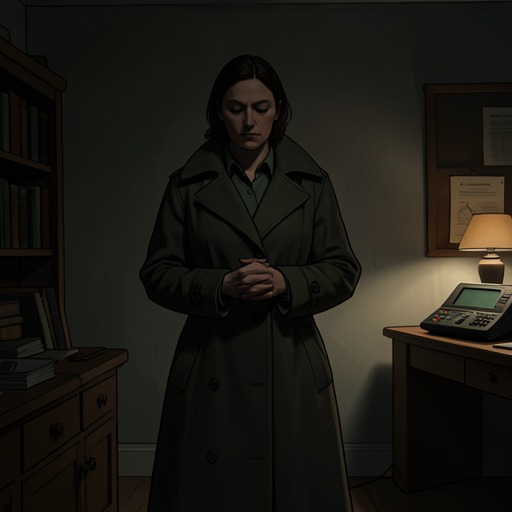
Years later, alone in the empty hall, Emma measures her achievements against what she has surrendered: youth, family life, free time, personal happiness, and the small pleasures most women take for granted. She recognizes the scale of the loss, and tears briefly loosen the self-command she has maintained. Yet she does not fully confront the contradiction that her earlier choices helped produce the very deprivation she now mourns. She wanted security above all, but wealth never made her feel entirely secure.
That vulnerability sharpens when she fears that, after her death, family dissension will break up the business. She decides to complete legal documents designed to preserve the stores and her personal wealth for those she judges worthy, including the people who work in and take pride in the enterprise. Soon afterward, intense chest pain and impaired breathing leave her unable to get out of bed. Suspecting that pneumonia has returned, she allows Paula to call Dr Rogers and is taken by ambulance to the London Clinic, but only after arranging for Henry Rossiter to visit. Most of the documents have already been signed, witnessed, and sealed. Even illness is admitted only after the work of protection is nearly done: Emma’s ambition has built a legacy, but the effort to keep it intact remains another demand on the life she has spent securing it.