
The Battle For The Mind
A cataclysmic lack of HarmonyThis flow traces the speaker's fear of mental disintegration from unfamiliar sensation to a changed sense of self.
increasing Bearing strength in each event
 decreasing
Bearing strength in each eventdecreasingUnknown Fear

Unknown Fear
The speaker experiences fear induced by the unknown and specifically fears losing the mind. The danger has no clear object, which makes it difficult to oppose.
Invisible Threat
Because the source remains unnamed, every sensation can become evidence of danger. The speaker's own consciousness becomes suspect.
Anticipated Collapse
The fear concerns not only what might happen but who the speaker might become if control disappears.
Former Self
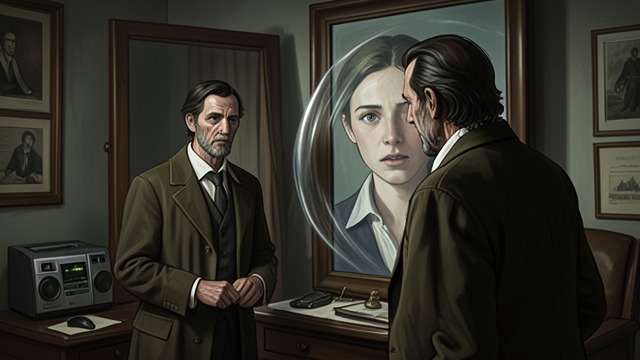
Former Self
The speaker insists that this condition was not characteristic before. The distinction between past and present creates a painful sense of estrangement from the former self.
Identity Comparison
Memory supplies a standard of normality that the speaker can no longer inhabit. The phrase of denial is also an attempt to preserve continuity.
Defensive Certainty
Saying the speaker is not like that becomes a fragile act of self-definition. It resists the feared transformation without disproving it.
Different Day

Different Day
The speaker announces that today is another day and that the speaker is different. Time becomes the apparent cause of a rupture in identity.
Ordinary Calendar
The change occurs inside an ordinary day rather than a dramatic external event. This makes the transformation more frightening because it has no visible boundary.
Altered Perception
The speaker's language marks a new state without explaining it. The unexplained shift intensifies the sense of mental instability.
Control Fracture

Control Fracture
The fear of losing control becomes inseparable from the experience of already being changed. The speaker can describe the fracture but cannot command it to stop.
Self As Battlefield
The conflict occurs within one consciousness. There is no external enemy to defeat, only a mind divided against its own processes.
Escalating Isolation
Because the experience cannot be easily explained, it risks separating the speaker from others. Fear becomes both symptom and social barrier.
Unsettled Self

Unsettled Self
The poem ends with difference still present. The speaker has not regained certainty about identity or control, leaving the self suspended between denial and acknowledgment.
No Restoration
The ending avoids a reassuring return to the former condition. Change remains real even if its meaning is unclear.
Continuing Vigil
The speaker must continue observing the mind. That vigilance is exhausting, but it is also the remaining form of agency.
opening of Losing control
before the change is recognized
during the sudden shift
near the ending
closing line
