
The Rule Of Reason
A cataclysmic lack of HarmonyThis flow traces Rationality as a force that begins as order and becomes a regime oppressing feeling.
increasing Bearing strength in each event
 decreasing
Bearing strength in each eventdecreasingReason's Slaves
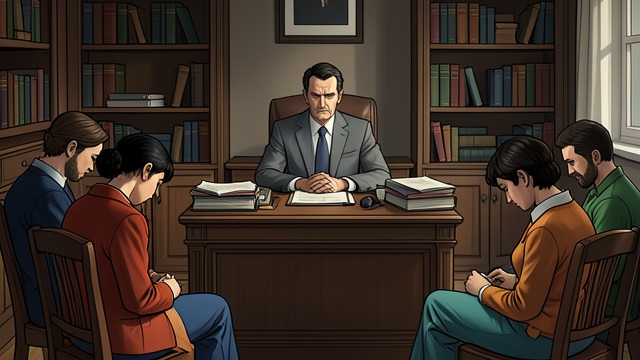
Reason's Slaves
The speaker presents feelings as Rationality's favorite slaves. Thought is not a neutral aid but a power that has already organized emotion into submission.
Unequal Authority
Rationality commands while feelings obey. The metaphor turns inner life into a political hierarchy.
Suppressed Motion
The emotions retain a desire for freedom, but their first condition is captivity. The conflict begins before any open rebellion.
Suffocating Pressure
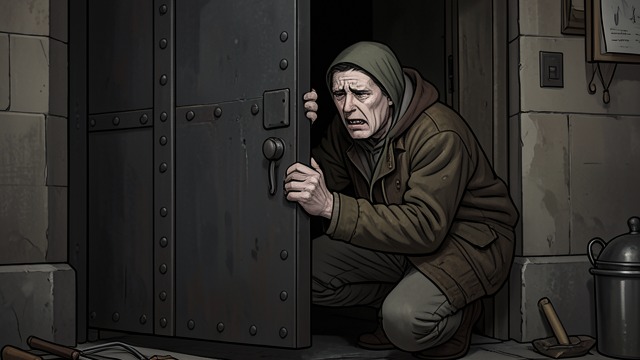
Suffocating Pressure
The pressure of Rationality becomes suffocating. Feeling cannot breathe inside the system that claims to protect the speaker from disorder.
Control As Harm
Order has become physically destructive. The language of suffocation shows that excessive control can threaten the very life it intends to preserve.
Weak Resistance
The feelings are not strong enough to break free. The speaker's identification with them reveals personal exhaustion as well as structural oppression.
Cursed Game

Cursed Game
The inner conflict is described as a cursed game that never ends. Its rules are understood, but understanding them does not grant the power to leave.
Repetition Without Progress
Each round repeats the same contest between thought and emotion. The game metaphor emphasizes circularity and exhaustion.
Consumed Humanity
The struggle takes every inch of the speaker's humanity. Rationality's victory is therefore also a loss for the whole person.
Failed Rebellion

Failed Rebellion
The speaker admits being too weak to stop the struggle. The imagined rebellion never reaches action, and self-judgment compounds the original oppression.
Agency Under Erosion
Weakness is presented as an effect of prolonged domination rather than a simple moral defect. The speaker has been depleted by the system being resisted.
Internalized Verdict
The same rational scrutiny that controls feeling now judges the speaker's failure. Oppression reproduces itself through self-criticism.
Humanity In Fragments

Humanity In Fragments
The poem ends with humanity nearly consumed by the never-ending struggle. Rationality has not created peace; it has produced a divided and diminished self.
Cost Of Mastery
The desire to master emotion has become more destructive than emotion itself. The speaker sees that control without compassion is another form of violence.
Unresolved Balance
No new equilibrium appears. The thread closes by exposing the need for a different relation between reason and feeling.
opening of Rationality
after the hierarchy is established
at the central struggle
near the poem's ending
closing lines
