
What Counts as Normal
AccidentThis flow follows the characters as catastrophe unsettles their assumptions about normality and teaches them to value life, ability, and personhood beyond conventional measures of independence or perfection.
increasing Bearing strength in each event
 decreasing
Bearing strength in each eventdecreasingThe Idealized Daughter
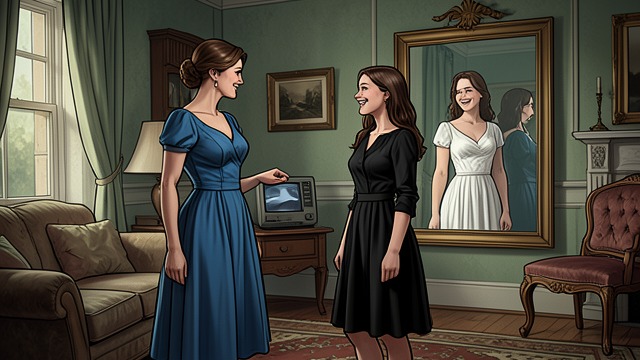
The Idealized Daughter
A future already imagined
Before the crash, Allyson is a striking, energetic fifteen-year-old whose family imagines a wide-open future for her. Page sees her beauty and promise; Brad’s later terror about possible brain damage reveals how strongly he connects her identity with her former capacities.
Perfection as an unexamined standard
The accident exposes how easily love becomes entangled with expectations of health, competence, and potential. When Allyson is incapacitated, her family must confront whether she remains herself when she can no longer display the abilities through which they had learned to recognize her.
Brad’s Fear of Disability

Brad’s Fear of Disability
The imagined worst outcome
As doctors warn that Allyson may die or suffer severe impairment, Brad admits that he would rather lose her than see her live with profound disability. His response emerges from fear and shock, but it reduces the possible life before her to a stark choice between perfection and death.
Page’s refusal of the binary
Page rejects the idea that a disabled life would be less worthy of protection. She wants every available effort made for her daughter, even without guarantees about recovery, and insists that Allyson remains their child whatever happens. Their disagreement reveals competing responses to vulnerability, not merely competing medical judgments.
Bjorn’s Capable Life

Bjorn’s Capable Life
A life beyond comparison
Trygve describes raising Bjorn, who has Down syndrome, without treating his limitations as the whole of his identity. Bjorn is affectionate, artistic, sociable, helpful, and proud of his interests; he has a life shaped by both support needs and real abilities.
A different measuring stick
His example gives Page a way to imagine caring for Allyson if recovery is incomplete. Trygve explains that accepting Bjorn did not require pretending he would have the same future as other people. It required discovering what his life could be, rather than judging it only against a standard he could not meet.
Chloe’s Changed Ambition
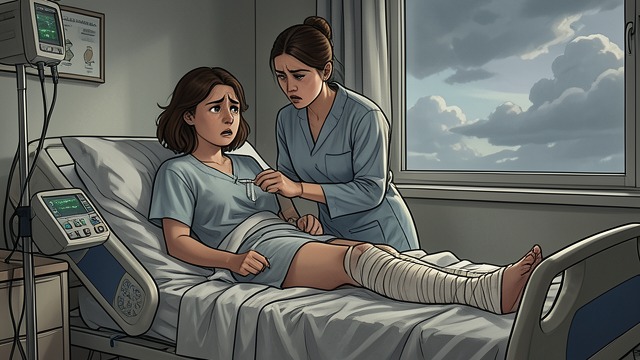
Chloe’s Changed Ambition
A future interrupted
Chloe’s crushed legs and pelvic injuries threaten the dream that had shaped her years of ballet training. Surgery saves her life and gives the doctors reason to hope she will walk again, but her former ambition cannot simply be restored by medical success.
Possibility after loss
As Chloe leaves the hospital, recovery means adapting to pain, mobility limits, and dependence on others. Her return home is joyful without being a return to her old life. Her experience reinforces the novel’s distinction between losing a particular dream and losing the possibility of a meaningful future.
Allyson’s Measured Recovery
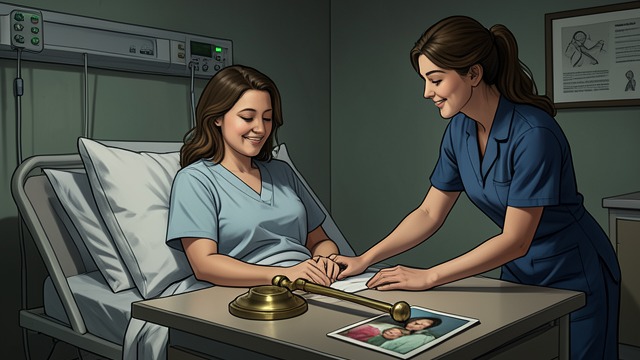
Allyson’s Measured Recovery
Learning from the beginning
When Allyson wakes, she struggles with language and movement, recognizing familiar people only gradually. Doctors describe the long work ahead: relearning speech, sitting, walking, and daily tasks through sustained therapy.
The person beyond the prognosis
Page welcomes progress without demanding that Allyson become exactly who she was before the crash. Her daughter’s humor and recognition return in pieces, and each small gain becomes meaningful on its own terms. The story’s idea of recovery thus shifts from restoring an ideal self to helping a changed person inhabit her life.
Before the Saturday night accident
The first days after Allyson’s emergency operation
During the first week at Marin General Hospital
From the hospital to Chloe’s return home
The weeks after Allyson wakes in August
