
The Work of Staying Present
AccidentThis flow contrasts Page and Trygve’s steady caregiving with Brad’s retreat from the hospital and family crisis, showing how presence becomes both practical labor and a form of love.
increasing Bearing strength in each event
 decreasing
Bearing strength in each eventdecreasingA Mother at the Bedside
A Mother at the Bedside
Choosing to remain
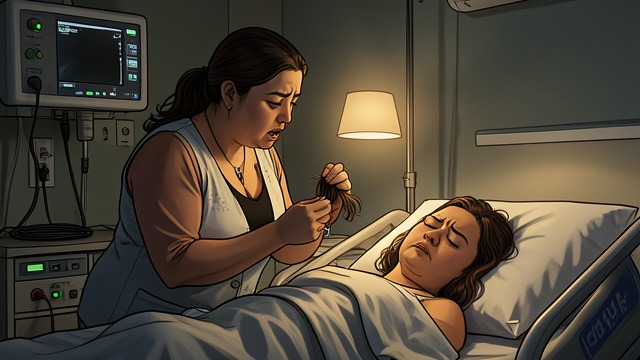
When doctors tell Page that Allyson cannot wait for her father’s consent, Page authorizes emergency brain surgery and stays close to her daughter. She speaks to Allyson before the operation, asks for a lock of her hair, and returns to the bedside as soon as she is allowed.
Presence as care
Page cannot control the surgery or know what its outcome will be, but she can make sure Allyson is not emotionally abandoned. Her vigil establishes a central distinction in the novel: presence does not guarantee rescue, yet it matters because it acknowledges the person enduring the crisis.
Trygve’s Steady Company
Trygve’s Steady Company
Shared practical burdens
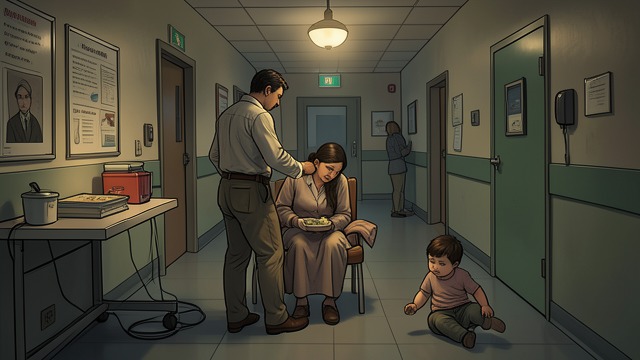
While Chloe is in surgery and Allyson’s condition remains critical, Trygve stays beside Page, helps her find food and rest, and takes interest in the needs of Andy and the other children. His support is concrete as well as emotional: he makes himself available when the hours become difficult to bear alone.
Companionship without rescue
Trygve does not claim to know how Allyson will recover or offer false certainty. He helps Page endure what cannot yet be changed, and his attentiveness creates trust between two parents confronting overlapping disasters. Their closeness begins in shared responsibility, not in an escape from it.
Brad’s Retreat

Brad’s Retreat
Fear turned into distance
After learning that Allyson may die or be permanently impaired, Brad struggles to enter the ICU and later disappears for a night while she is in danger. His affair with Stephanie offers an alternative to the hospital, his frightened son, and the distress of watching his daughter lie unresponsive.
Absence becomes another wound
Brad’s fear is genuine, but his withdrawal leaves Page to carry much of the practical and emotional burden. Andy notices that his father is missing, and Page experiences his absence as a failure of partnership. The novel does not treat caregiving as a test without difficulty; it shows how avoidance can compound the injury already caused by a crisis.
Andy’s Need for Truth
Andy’s Need for Truth
A child absorbs the rupture
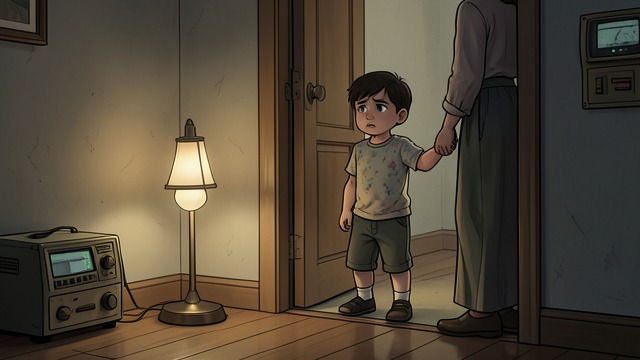
As Page and Brad fight and Brad comes and goes, Andy becomes anxious, has nightmares, and eventually runs away because he believes their unhappiness is his fault. The adults’ effort to shield him from the full truth cannot prevent him from noticing that the family’s routines and security have changed.
Reassurance through recognition
After Andy is found at Trygve’s home, Page and Brad explain that the conflict is not his responsibility and promise that Allyson is not dead. Page also agrees to let him visit his sister, allowing him to encounter her condition rather than be left alone with his fears. His thread shows that care requires listening to what a child has already understood.
Care Across Two Families
Care Across Two Families
A network of ordinary help
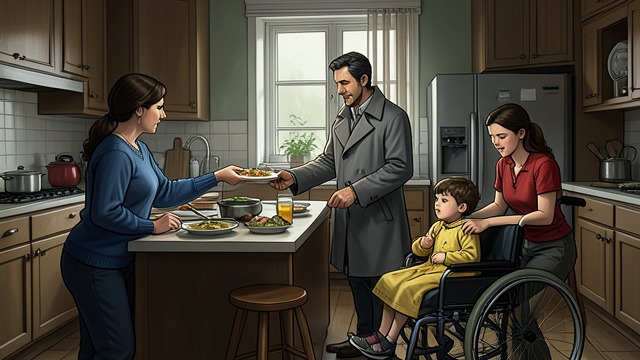
Trygve, Page, and their children repeatedly assist one another with meals, visits, transport, and companionship. Andy and Bjorn become friends, while Page helps Chloe through the difficult transition from hospital to home and Trygve supports Page during Allyson’s long recovery.
Affection made practical
These acts do not erase grief or fix the children’s injuries, but they make sustained care possible. Page’s bond with Trygve grows within this network of responsibilities, where intimacy is demonstrated by showing up for children, relatives, and unglamorous daily tasks. The emerging relationship is meaningful partly because it deepens rather than displaces that work.
The night Allyson undergoes emergency surgery
The first several days in the hospital
The first week after Brad reveals his affair
The weeks when his parents’ arguments intensify
From Chloe’s homecoming through Allyson’s rehabilitation
