
Silence and the Inherited Wound
AccidentThis flow traces how Page’s family preserves a comforting public image by denying childhood sexual abuse, and how Page’s decision to name the truth interrupts that inherited silence.
increasing Bearing strength in each event
 decreasing
Bearing strength in each eventdecreasingThe Family’s Polished Surface
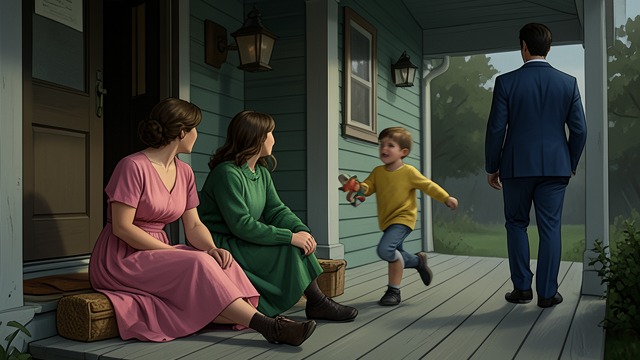
The Family’s Polished Surface
Appearance in place of intimacy
Page recalls a childhood in which her mother and sister favored pleasant appearances and avoided acknowledging painful realities. Their habits of concealment shape Page’s sense of what a family can hide behind a calm surface.
The cost of silence
As an adult, Page has built distance from her family and sought help to recover from what happened to her. Yet she still hopes, against experience, that a crisis might bring genuine concern from her mother and sister. Their arrival during Allyson’s hospitalization tests that hope again.
Visitors Who Look Away
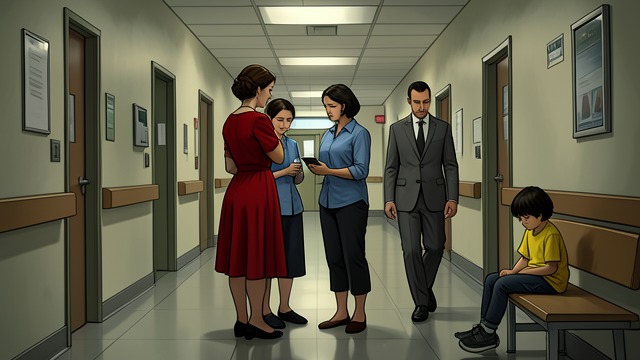
Visitors Who Look Away
Confronting Allyson’s condition
Maribelle and Alexis travel to California saying they want to help, but they visit Allyson only briefly and then spend much of their time shopping and arranging the comforts they prefer. Their reluctance to remain at the hospital repeats the family habit of turning away from distress.
A familiar emotional pattern
Page finds herself caring for her guests while she is already caring for her children and managing her own shock. Their behavior is not just inconvenient; it confirms how often she has been expected to accommodate other people’s needs without receiving comparable attention in return.
A Mother’s Denial
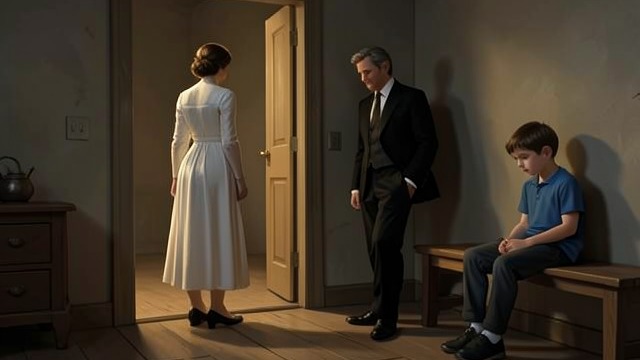
A Mother’s Denial
The story Page refuses to accept
When Page says that Brad’s affair is straining their marriage, Maribelle insists that he would never do such a thing. She recasts the crisis as an ordinary marital disagreement and assumes that it will soon pass, just as she has minimized painful realities before.
The old wound returns
Page recognizes that her mother is not simply offering a mistaken reassurance. Her refusal to acknowledge difficult facts recalls the silence surrounding Page’s abuse as a child. The conversation shows how denial can protect a family’s appearance while leaving the injured person alone with the truth.
The Abuse Named Aloud
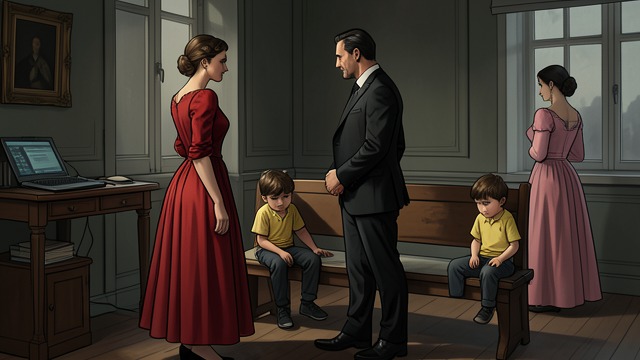
The Abuse Named Aloud
Breaking the imposed silence
Page confronts Maribelle and Alexis with the fact that her father sexually abused her from age thirteen until she was sixteen. She accuses her mother of knowing, enabling the abuse, and demanding that Page keep him happy, while Alexis avoids the subject rather than recognizing what happened.
Speech as self-assertion
The confrontation does not produce an apology or a shared account of the past. Its significance lies in Page’s refusal to keep protecting the family’s preferred story. By naming the abuse directly, she asserts that her memory and pain are real even when the people closest to her refuse to confirm them.
A Witness Who Listens
A Witness Who Listens
Telling the story without euphemism
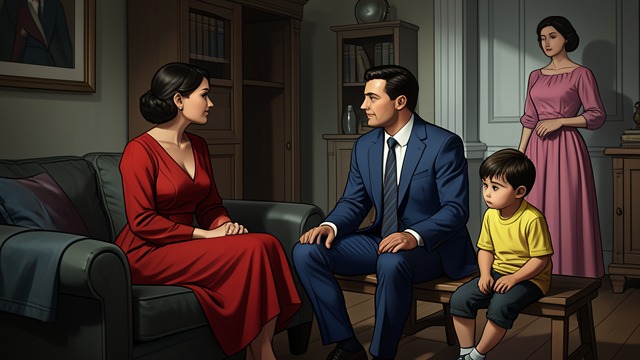
After leaving her mother and sister, Page tells Trygve about the abuse, her mother’s complicity, and the years it took to leave home and seek therapy. She speaks through grief and distress, no longer softening the account to make it easier for her listener.
Recognition without repair
Trygve responds with horror and compassion rather than disbelief, giving Page a kind of witness she did not receive from her family. His response cannot undo her childhood or resolve the family’s denial, but it lets her be believed in the present. The novel distinguishes this recognition from reconciliation: truth can be spoken even when the people who denied it remain unchanged.
Before Maribelle and Alexis arrive in California
The first week of Maribelle and Alexis’s visit
During dinner at Page’s home, several weeks after the crash
That evening, after the family dinner
Later that night, in the ICU waiting room
