
Blame and Public Accountability
AccidentThis flow follows the movement from uncertainty and premature public blame toward evidence of Laura Hutchinson’s drinking, exposing how status can shape whose actions are scrutinized and whose reputations are protected.
increasing Bearing strength in each event
 decreasing
Bearing strength in each eventdecreasingAn Uncertain Collision
An Uncertain Collision
Facts obscured by wreckage
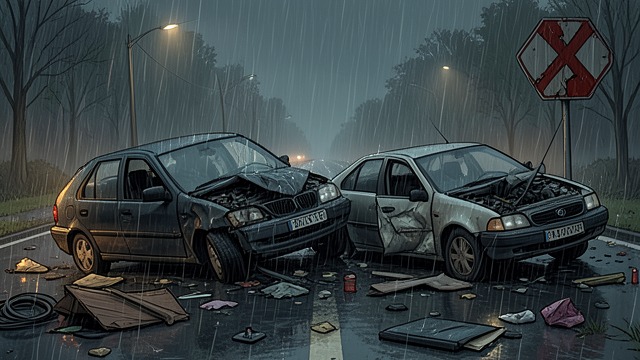
The collision leaves investigators with too little clear evidence to determine which car crossed the center line. Phillip has a small amount of alcohol in his blood, while Laura Hutchinson is not tested because officers at the scene assume she is sober.
Suspicion without resolution
The families are left with grief and questions rather than a reliable account of responsibility. The crash establishes a central injustice in the novel’s public story: people can be judged not only by evidence but by assumptions about age, respectability, and political importance.
A Reputation in Jeopardy
A Reputation in Jeopardy
A father contests the implication
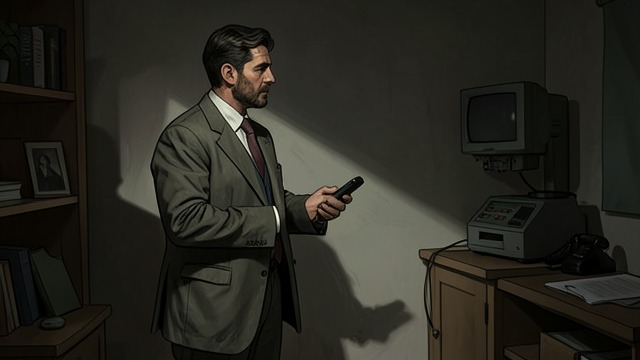
When Tom and Mary Chapman learn that Phillip’s blood contained some alcohol and that Laura Hutchinson was not tested, Tom refuses to let the suggestion of his son’s guilt stand uncontested. His grief turns briefly into anger at what he sees as unequal treatment of a dead teenager and a senator’s wife.
Defending the dead
Tom’s determination to protect Phillip’s name is an attempt to preserve who his son was against a story shaped by insinuation. The question of fault matters to the family not only as a legal issue but as a struggle over memory: Phillip cannot answer public accusations, so his father takes up that work for him.
The Pressed Narrative
The Pressed Narrative
A story shaped around status
News coverage presents Laura as a distraught mother and respectable senator’s wife, while its framing leaves the impression that the teenagers had been drinking and Phillip may have caused the crash. The absence of a test for Laura is not treated as a reason to question the favorable assumptions made about her.
Private grief as public material
Reporters approach Page and Trygve in the hospital, asking for judgments while their daughters are in critical condition. The pressure to turn grief into a usable story reveals a media culture that can amplify suspicion without resolving facts, and that treats vulnerable families as material for public attention.
The Pattern Emerges
The Pattern Emerges
Information changes the question
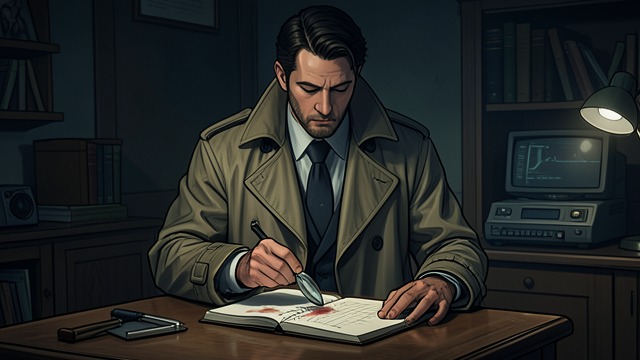
Trygve hears that Laura has a history of alcohol problems and later learns that she was reportedly seen drunk at another gathering. He contacts an investigative reporter, who uncovers prior treatment stays and a record of accidents that had largely remained out of public view.
What concealment permits
These discoveries do not establish precisely what happened on the Golden Gate Bridge, but they make the original lack of scrutiny harder to dismiss as neutral. The novel shifts attention from a single uncertain collision to the systems that may have concealed repeated danger and allowed Laura to continue driving.
The La Jolla Reckoning
The La Jolla Reckoning
A new crash, a visible arrest
News reports reveal that Laura has been arrested after a fatal crash in La Jolla while driving intoxicated. The deaths and injuries make her conduct impossible to present merely as an ambiguous encounter between a teenager and a prominent adult.
Accountability and its limits
The new evidence vindicates the Chapmans’ refusal to accept the earlier insinuation that Phillip alone was responsible, and public scrutiny finally turns toward Laura’s actions. Yet the revelation cannot restore Phillip, erase Chloe’s injuries, or undo Allyson’s brain injury. Justice may challenge an unjust narrative, but it cannot reverse the human cost that made accountability necessary.
The night of the crash and the hours immediately after
The morning after the crash
The first week after the crash
Several weeks after the accident
On Independence Day weekend, after the fatal crash in La Jolla
